


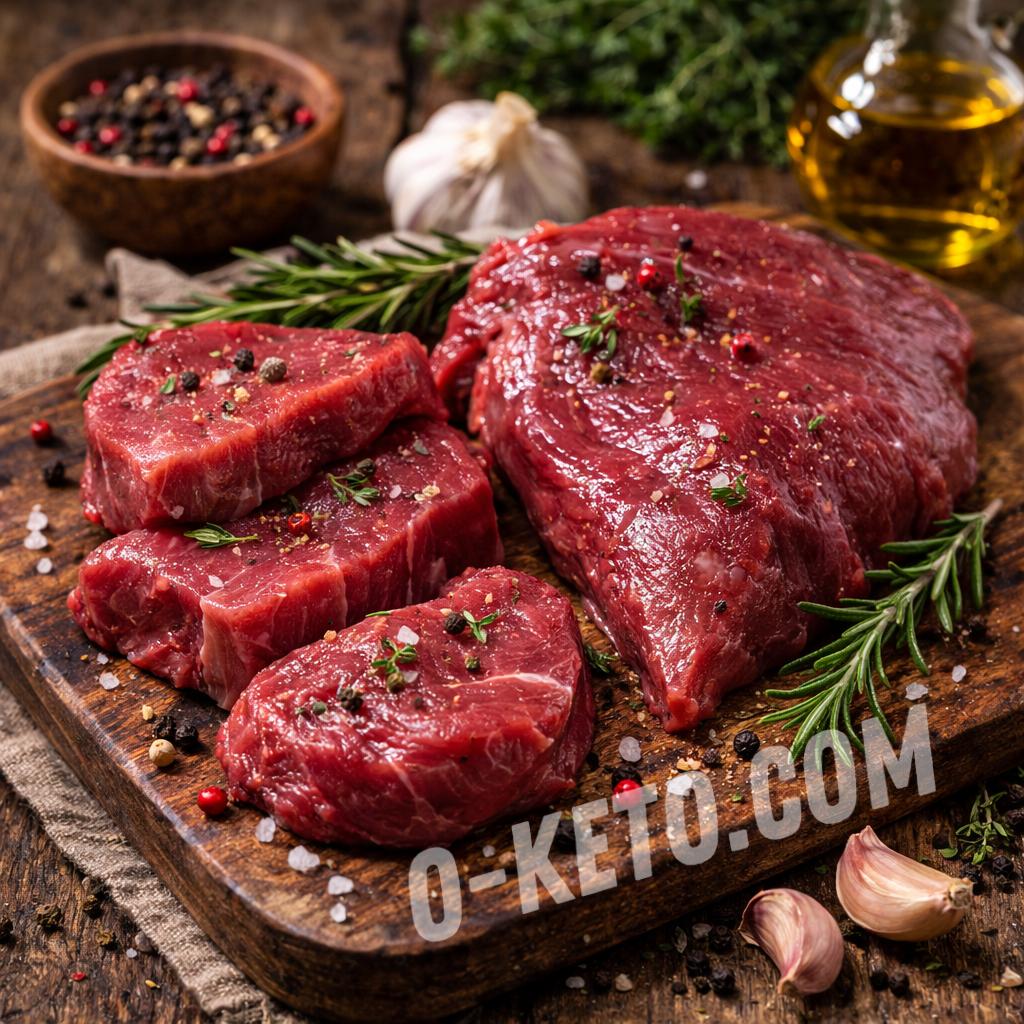

Horse meat is the meat of a horse, with a dense texture, dark color, and pronounced meaty flavor. It is traditional in the cuisines of Central Asia, the Caucasus, the Volga region, some parts of Eastern Europe, and Siberia. It is used for broths, stews, sausages, dried meat, basturma, kazy, and hot meat dishes.
In texture, horse meat is close to lean beef, but its taste is often slightly sweeter and more mineral. The meat can be quite firm, so cooking method matters: quick overheating easily makes a piece tough, while slow stewing or boiling helps create a softer texture.
Nutritional value
In 100 g of horse meat there are usually about 160–180 kcal, 20–25 g of protein, 5–10 g of fat, and 0 g of carbohydrates. Exact numbers depend on the cut, age of the animal, fat trimming, and cooking method. Lean cuts will be drier, while sausages and dried products may contain more fat and salt.
Horse meat contains complete animal protein, vitamin B12, vitamin B6, iron, zinc, selenium, and other minerals. The glycemic index of meat is zero because it contains no carbohydrates. For a low-carb diet it is a straightforward protein product, but prepared items should be checked by ingredients.
Is it suitable for keto?
For keto and LCHF, fresh horse meat fits well: it contains no starch or sugar, and its main nutritional value comes from protein and fat. To make the dish more balanced in a low-carb way, a lean cut is often paired with butter, a fatty sugar-free sauce, egg, avocado, herbs, or vegetables with little starch.
More caution is needed with ready sausages, marinated cuts, smoked meats, and semi-finished products. They may contain sugar, starch, flour, syrups, flavor enhancers, and a lot of salt. For strict keto, the ingredient list matters more than the word “horse meat”.
How to cook it
For tenderness, horse meat is often cooked for a long time: boiled, stewed, simmered in broth, cooked in a kazan, or baked at moderate temperature. Onion, garlic, bay leaf, black pepper, cumin, coriander, thyme, rosemary, hot pepper, and a small amount of acidic ingredient work well. Too much acidity can dry the surface, so marinades should be moderate.
For frying, choose more tender cuts and do not overcook them. Lean horse meat quickly loses juiciness when held over strong heat for too long. Ground horse meat can be mixed with fattier meat or extra fat, otherwise patties and kebabs may turn out dry.
What to pair it with
Horse meat pairs well with herbs, cucumbers, radishes, sugar-free sauerkraut, stewed cabbage, mushrooms, eggplant, zucchini, cauliflower, hot pepper, and unsweetened sauces based on sour cream or yogurt. In traditional dishes, onion, spices, and rich broth often stand nearby.
For a keto dish, choose a vegetable side, salad with oil, or broth with herbs instead of potatoes, grains, or noodles. Butter, ghee, sour cream, bone broth, and long simmering help make the flavor softer.
How to choose
Fresh horse meat should have an even dark red color, a clean meaty smell without sour or musty notes, an elastic surface, and clear origin. A very sticky surface, gray spots, too much liquid in the package, and a sharp smell are reasons to refuse the purchase.
Denser cuts work for stewing, good-quality trimmings work for ground meat, and dried meats or sausages require raw material meant for that processing. If buying a ready product, check salt, sugar, nitrite mix, spices, and fillers.
Limitations
Horse meat is red meat, so serving size and frequency depend on the overall diet, tolerance, activity level, and professional advice when individual restrictions exist. Dried, smoked, and salted products should not be treated as the same thing as a fresh piece of meat: they contain more salt, and the formula may be more complex.
If a person is not used to horse meat, it is better to start with a simple stew or broth, not with spicy sausage or strongly dried product. This makes it easier to judge the meat’s own flavor and tolerance. Children and people with sensitive digestion should receive small portions, well cooked, without aggressive spices and without questionable sauces.
How to store it
Fresh horse meat is kept in the refrigerator at a low temperature and cooked within a short time. For longer storage, freeze the meat in portions, tightly protected from air. It is better to thaw it in the refrigerator, not on the counter. Cooked dishes are stored separately from raw meat and cooled quickly after cooking.


