


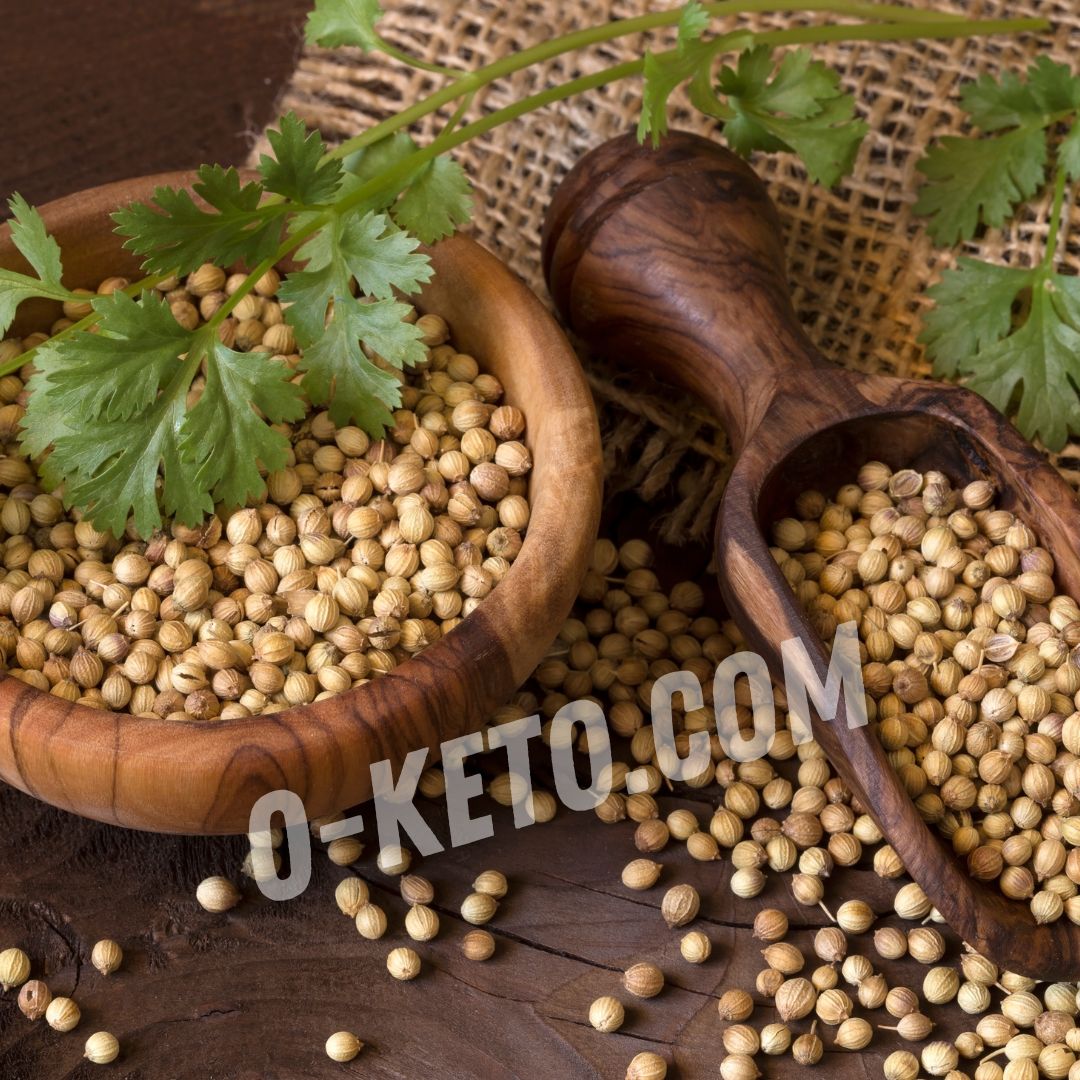

Coriander is a spice plant whose fresh leaves and dry seeds are both used in cooking. In many kitchens, the fresh leaves are called cilantro, while the dry round seeds are called coriander. This article is about the seeds: a warm, citrusy spice that tastes and behaves very differently from the fresh herb.
Coriander seeds have been known for a very long time. They have been found in ancient burials and appear in the cuisines of the Mediterranean, the Middle East, India, the Caucasus, and Europe. Today coriander is used in curry blends, marinades, sausages, pickles, bread mixtures, spice pastes, meat dishes, and vegetable dishes. It should not taste “soapy,” a note some people notice in fresh cilantro. The dry seeds are warmer, softer, and closer to lemon zest, nuts, and mild pepper.
Nutrition
Coriander seeds have very different numbers from fresh cilantro leaves. In 100 g of dry seeds there are roughly 298 kcal, about 12 g of protein, 18 g of fat, and 55 g of carbohydrates, a large share of which is fiber. But a normal culinary amount is 1-2 g, sometimes a teaspoon for a whole dish. In a real serving, coriander barely changes the carbohydrate count, while it changes the aroma a lot.
The seeds contain fiber, potassium, magnesium, iron, manganese, and essential oils. The practical point is not to use the spice as a large mineral source, but to make low-carb meals more varied without sugar, flour, or sweet prepared sauces. For keto this is useful: flavor can be widened with spices instead of adding starchy ingredients.
Place in keto and LCHF
Whole or ground coriander seeds fit keto and LCHF as a seasoning. A pinch in minced meat, marinade, braised cabbage, fish, or vegetable stew almost does not change the carbohydrate calculation. Ready-made blends with coriander need more attention: meat rubs and marinade mixes may contain sugar, dextrose, starch, flour, crumbs, and a lot of salt.
If you count very strictly, include the spice when you use it by the spoonful, for example in a large batch of homemade paste, sauce, or spice blend. In normal kitchen amounts, coriander is mostly an aromatic tool rather than a meaningful source of calories.
How to use
Whole seeds open best after a short warming in a dry pan. One or two minutes over medium heat is enough, just until the aroma becomes brighter. Then crush them in a mortar or grind them. Freshly ground coriander is much more expressive than a powder that has been standing open for months.
Coriander goes well with beef, lamb, chicken, pork, white fish, seafood, eggplant, cabbage, cauliflower, zucchini, mushrooms, and tomatoes. In spice blends it is often paired with cumin, caraway, black pepper, turmeric, paprika, chili, fennel, and bay leaf. In keto recipes it is especially useful in sugar-free marinades, patties, braised vegetables, broth-based soups, and sauces made with plain yogurt or sour cream.
How to choose
Good coriander seeds are dry, light brown or yellowish-brown, and have a clean spicy smell when crushed. If the aroma is weak, dusty, or stale, the spice has already lost much of its character. The package should not contain moisture, mold, excessive crumbs, or foreign particles.
Whole seeds are better for storage because they keep their aroma longer and let you grind the spice right before use. Ground coriander is convenient, but it fades quickly, especially near the stove. If you buy powder, choose a small package and close it immediately after each use.
Limits
Coriander belongs to the carrot family. If you react to celery, carrot, parsley, dill, fennel, caraway, or anise, introduce it carefully. In large amounts, dry seeds may irritate sensitive digestion because of fiber and essential oils. Most recipes need only a small amount, so there is no reason to add coriander by the tablespoon.
Do not confuse dry seeds and fresh cilantro when substituting. If a recipe needs fresh herb, dry coriander will not provide juiciness or grassy freshness. If a recipe needs seeds, the herb will not create the same warm spice background. They come from the same plant, but they behave differently in food.
Storage and substitutes
Store coriander in a tightly closed jar in a dry dark cupboard. Do not hold spices over steam, do not use a wet spoon, and do not leave the package open. Whole seeds usually keep their aroma longer than powder; ground coriander is best used within a few months after opening.
For meat dishes, part of coriander’s role can be taken by caraway, cumin, black pepper, and paprika. For fish and vegetables, fennel seed, dill seed, lemon zest, and white pepper can work. If the recipe is built around curry, it is better not to remove coriander completely because it connects the other spices and makes the blend less sharp.
Research Notes
Coriander seeds are often linked with digestion: in traditional spice blends they soften heavier dishes, meat, legumes, cabbage, fermented foods, and spicy sauces. Research discusses coriander as a spice with antispasmodic and carminative potential, as well as a source of antioxidant compounds.
Studies have also looked at coriander in relation to lipid metabolism, intestinal response, liver-cell protection, and the growth of some microorganisms in laboratory settings. For cooking, this does not make coriander a medicine, but it explains its practical value: it makes rich dishes taste softer, adds a warm citrus-spicy note, and pairs well with caraway, garlic, pepper, turmeric, meat, fish, and vegetables.
Limits
In ordinary amounts, coriander suits most people. Caution is reasonable with allergy to plants from the carrot family, pronounced individual reactions, pregnancy, or concentrated extracts. If coriander is used alongside medication for blood pressure, blood sugar, or clotting, doses should not be increased abruptly.
Coriander seeds and cilantro leaves
Coriander seeds and cilantro leaves come from the same plant, but they are different culinary products. Seeds contain more essential oils and provide a warm citrus-spice aroma, while the leaves are used as a fresh herb and lose aroma faster in storage. They should not automatically be substituted in equal amounts.


