


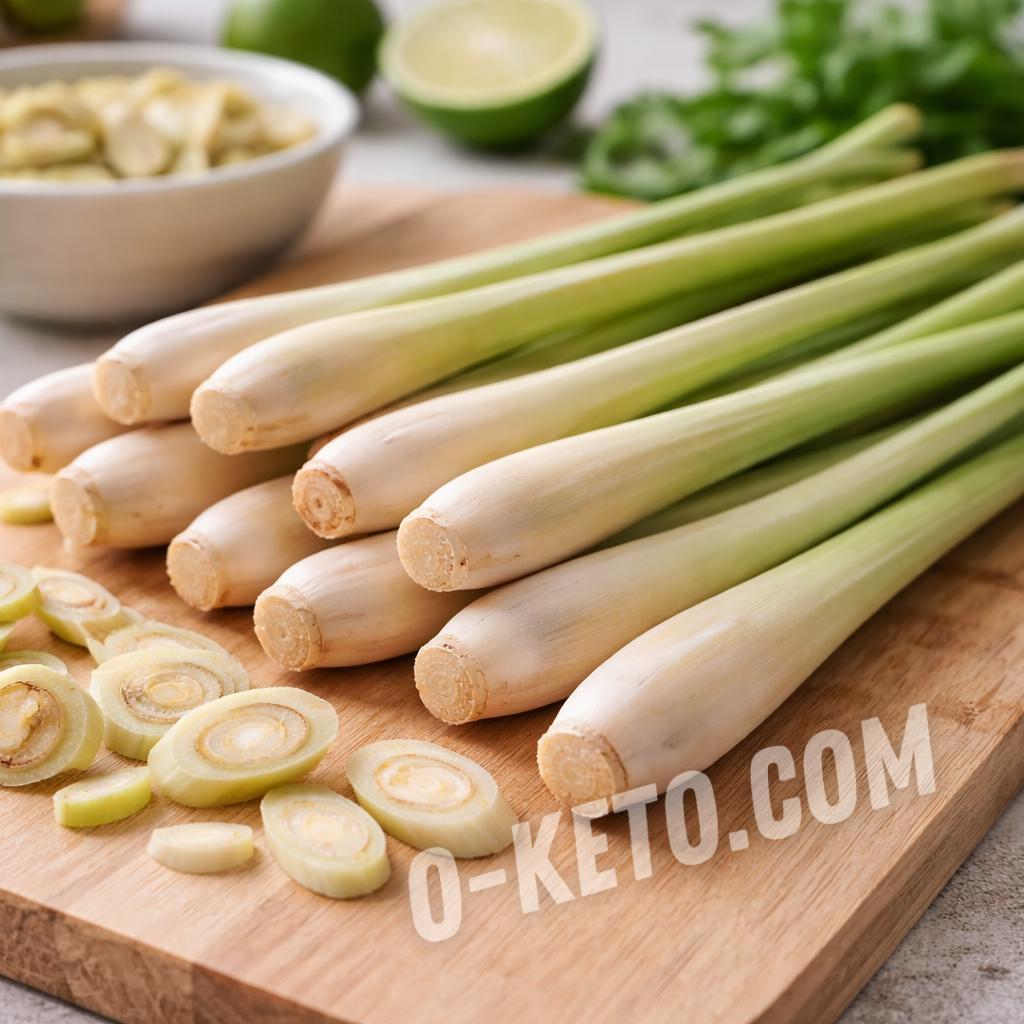

Lemongrass — a fragrant herbaceous plant of the genus Cymbopogon, widely used in Asian cuisine and phytotherapy.
In addition to its culinary value, lemongrass is considered a functional product due to its antioxidant and anti-inflammatory properties.
The lower, denser part of the stem is usually consumed, while the leaves are more often used for making infusions and flavoring.
Its fresh citrus aroma is due to the high content of essential oils, primarily citral.
Composition and Bioactive Substances
Lemongrass contains a complex of phytonutrients and trace elements:
- essential oils — citral, geraniol, limonene;
- vitamin C;
- B vitamins;
- potassium, magnesium, calcium;
- polyphenolic antioxidants.
The main biological activity is provided by essential oils, which have antimicrobial and moderate anti-inflammatory properties.
Potential Health Benefits
Digestive Support. Traditionally, lemongrass is used to reduce bloating, stimulate the secretion of digestive juices, and relieve discomfort after meals.
Antioxidant Protection. Phenolic compounds help reduce oxidative stress by participating in the neutralization of free radicals.
Anti-inflammatory Action. Some studies indicate that lemongrass extracts can reduce the activity of pro-inflammatory mediators.
Nutritional Value
Per 100 g of fresh lemongrass, there are approximately:
- calories — about 99 kcal;
- proteins — 1–3 g;
- fats — less than 1 g;
- carbohydrates — about 25 g;
- fiber — 2–3 g.
In culinary dosages, the actual carbohydrate intake is minimal, as lemongrass is used as a flavoring additive.
Lemongrass in the Keto Diet
Due to its small portions and low glycemic load, lemongrass is suitable for keto diets. It enhances the flavor of dishes without adding sugars or starches.
Ways to use:
- adding to broths and soups;
- grinding into curry pastes;
- marinades for fish and poultry;
- making herbal tea.
To release the aroma, the stem is usually crushed before being added to the dish. It can be removed after cooking.
Lemongrass combines a vibrant aroma, functional properties, and low calorie content. When used in moderation, it enriches the diet and supports flavor diversity within low-carb eating strategies.


