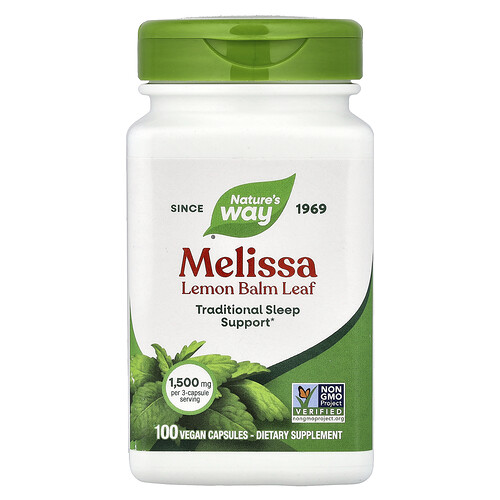
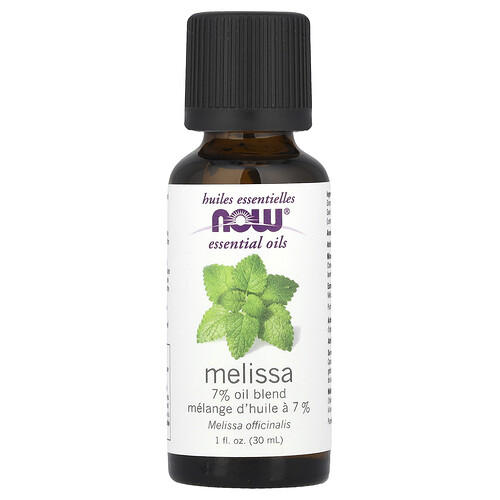
Lemon balm, also known as melissa, is an aromatic herb from the mint family. It has a soft lemon scent without sharp acidity and tender green leaves. In cooking, it is used in teas, cold drinks, salads, sauces, sugar-free desserts, marinades for fish and poultry, and as a fresh garnish.
Its main value in food is aroma. Lemon balm does not replace lemon juice because it does not provide the same acidity, but it can add a fresh citrus note. Compared with mint, it is usually softer and calmer, so it works well with creamy foods, berries, cucumber, fish, and mild poultry.
Nutrition
Fresh lemon balm is eaten in small amounts: a few leaves, a sprig in tea, or a small handful in salad. In such a portion, calories and carbohydrates are minimal. Dried lemon balm is more concentrated in aroma, but it is also used by grams rather than large servings. In normal cooking, it barely changes the macronutrients of a dish.
The leaves contain aromatic components often described as citral and citronellal, along with plant polyphenols and tannins. In practical food use, however, lemon balm is best treated as an aromatic herb rather than as a source of vitamins or minerals. Taste, freshness, and storage matter more than per-100 g tables.
Is it suitable for keto?
Lemon balm fits keto and LCHF well when used as an herb or tea ingredient without sugar. It has very few available carbohydrates in a normal portion, and its aroma helps make drinks, sauces, and desserts more interesting without syrups. It is especially convenient in water with lemon, cold tea, cottage cheese cream, unsweetened yogurt, and salads.
The limitation is usually not the herb itself but the product format. Ready drinks with lemon balm, syrups, sweet tea blends, and desserts may contain sugar, honey, fruit concentrates, or starch. For strict eating, choose fresh leaves, dried herb without additives, or frozen herb cubes.
How to use
Fresh lemon balm is best added at the end of cooking or when serving. Long heating weakens the aroma and can leave grassy bitterness. For hot tea, pour water that has cooled slightly after boiling, then let the leaves steep for a few minutes. In cold drinks, the leaves can be gently bruised so the aroma moves into the water faster.
In sauces, lemon balm pairs well with sour cream, thick unsweetened yogurt, cream cheese, olive oil, lemon zest, cucumber, and garlic. For fish and chicken, combine it with dill, parsley, thyme, or white pepper. In sugar-free desserts, it works with berries, cream, mascarpone, and vanilla.
How to choose
Fresh lemon balm should be firm, green, and free from dark wet spots, yellowing, and stale smell. The leaves bruise easily, so a bunch should not be crushed into a tight mass. If the aroma is barely noticeable, the herb may have been stored too long or dried out. Dried lemon balm should smell lemony and herbal, without dustiness or dampness.
For tea, both fresh and dried leaves work. For salads, sauces, and serving, fresh herb is better because it tastes softer and looks better. Finely crushed dried lemon balm loses aroma faster, so larger leaves or whole tops often store better.
Limits and storage
Lemon balm is usually used in small amounts, but individual reactions are possible with any aromatic herb. If herbal teas cause discomfort, sleepiness, or an unusual response, reduce the portion or avoid the product. During pregnancy, breastfeeding, or use of sedative or hormonal medicines, concentrated lemon balm supplements should be discussed separately; ordinary culinary leaves are a different scale.
Store fresh lemon balm in the refrigerator, wrapped in a slightly damp paper towel and placed in a bag with some airflow. It usually keeps for several days. For longer storage, dry the leaves in shade with ventilation or freeze them in ice cubes. Keep dried herb in a closed jar in a dark dry place.
Substitutes
The closest aromas are lemon verbena, mint with lemon zest, basil with a drop of lemon juice, or thyme with zest. In drinks, mint can work, but it gives a colder taste. In fish sauces, use dill, parsley, and a little lemon zest. For desserts, mint, vanilla, and berries are a better combination.