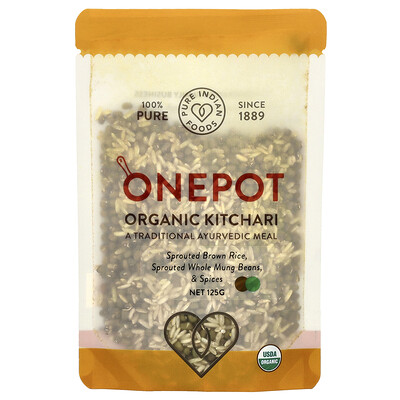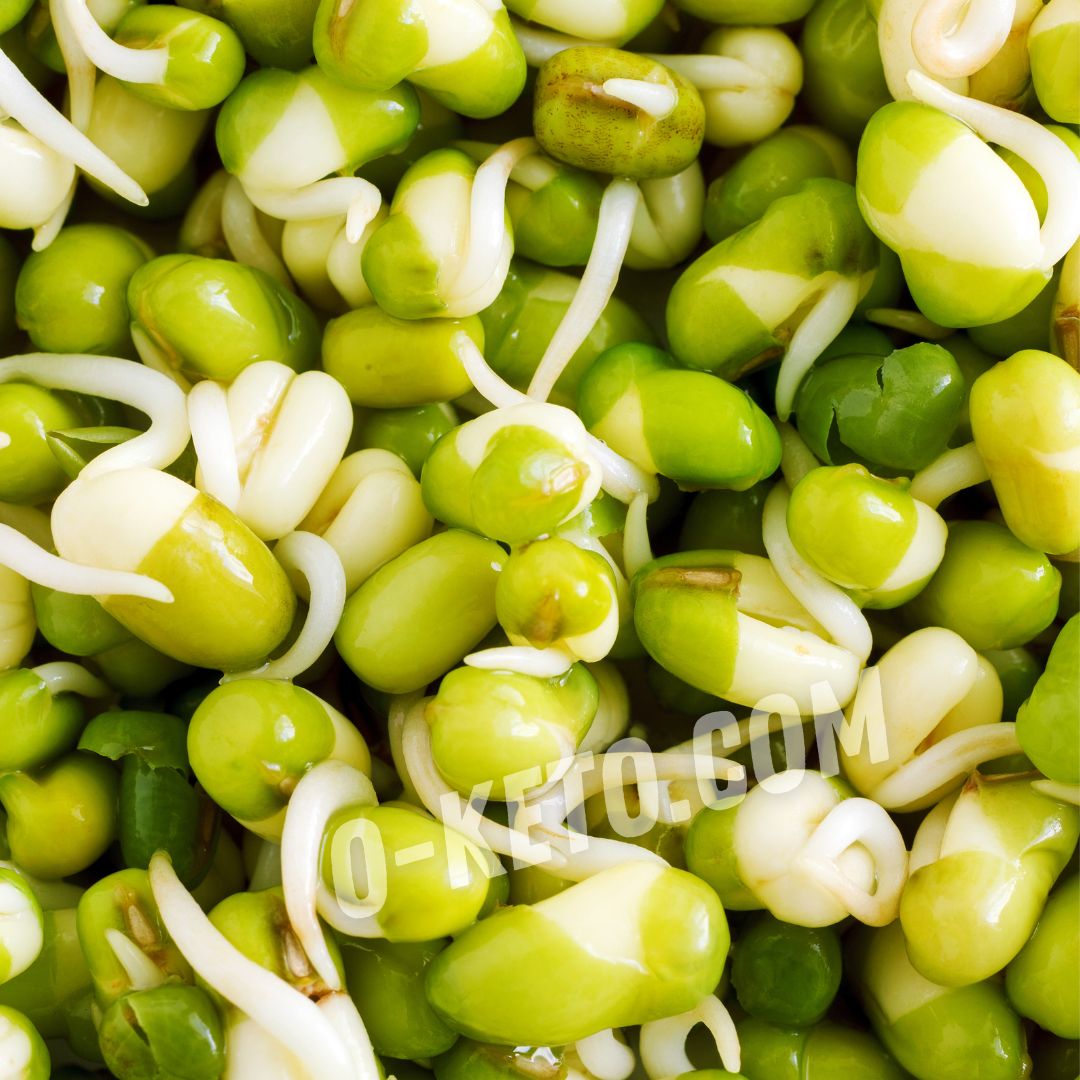

Sprouted beans are legumes that have produced a short sprout after soaking and germination. This may mean mung beans, soybeans, chickpeas, beans or other legumes, but their composition differs greatly. Sprouts are used in salads, wok dishes, soups, sides and Asian-style meals where fresh crunchy texture is needed.
Older reference values for 100 g gave about 140 kcal, 9 g of protein, 2 g of fat and 23 g of carbohydrates, along with B vitamins, vitamin C, iron and fiber. These numbers show the main point: sprouted beans do not automatically become low-carb. Sprouting changes texture and taste, but the legume base still needs to be counted.
Nutrition
Sprouts may feel lighter than cooked beans, but carbohydrates remain. Mung bean, soybean, chickpea and bean sprouts have different values; fresh sprouts, cooked sprouted beans and dry sprouted legumes are not the same either. It is better to check the specific product rather than transfer numbers from one type to another.
Protein and fiber make the product more filling than ordinary greens, but for strict keto 23 g of carbohydrates per 100 g is a noticeable amount. A 30-50 g portion as a crunchy addition may fit a more flexible plan, while a large plate is no longer a small accent.
Are They Keto-Friendly?
Sprouted beans do not fit every version of keto. For a strict approach, they are used rarely and in small portions if the overall limit allows. For more flexible LCHF, they can be part of a salad or hot dish, especially with meat, eggs, fish, cheese, oil and low-carb vegetables.
Do not confuse sprouts with microgreens. Microgreens are used as greens and usually eaten in a small volume. Sprouted beans are denser and often contain meaningful carbohydrates. Sweet sauces, noodles, rice and starchy marinades move the dish even farther from keto.
How to Use Them
Fresh sprouts give crunch and moisture. They can be added at the end of cooking so they do not soften too much, or warmed quickly in a wok. For sensitive digestion, heat-treated sprouts are often easier than raw ones.
Practical options include:
- a small handful in salad with chicken and avocado;
- quick frying with egg, cabbage and sesame oil;
- an addition to soup before serving;
- a side for fish with sugar-free soy sauce;
- a mix with cucumber, herbs and hot pepper;
- a warm addition to mushrooms, turkey or shrimp.
How to Choose and Store
Good sprouts look fresh, firm and moist but not slimy. The smell should be clean, without sour or musty notes. Darkening, stickiness, mold, a lot of cloudy liquid in the package or a strong smell are reasons to avoid the product.
Store sprouts in the refrigerator and use them quickly. This is a moist product that spoils easily, so it should not be kept open or carried for long without cooling. Rinse sprouts before eating; for a more cautious option, warm them briefly.
Safety
Sprouts require care because the moist warm environment of germination is not only convenient for the bean. For children, older adults, pregnant women and people with lower tolerance for food risks, a cooked version is safer. Home sprouting requires clean containers, fresh water and short storage times.
If sprouts are bought, choose a chilled product with a clear date. Raw sprouts should not be added to dishes that will stand on the table for a long time. For salad, it is better to prepare a small portion and eat it right away.
Limits and Substitutes
Legumes can cause bloating and heaviness, especially raw or partly cooked. Start with a small portion. If carbohydrates do not fit the limit, similar crunch can come from cucumber, radish, cabbage, celery, salad leaves or seed sprouts used in a very small volume.
For an Asian-style flavor, use sesame oil, ginger, garlic, cilantro, hot pepper, sugar-free rice vinegar and sugar-free soy sauce. This keeps the dish expressive even without a large portion of legumes.
Common Mistakes
The first mistake is treating all sprouts as “greens.” Sprouted beans are denser and contain more carbohydrates than salad leaves. The second mistake is adding them to a dish with rice, noodles and sweet sauce and still treating the portion as keto.
The third mistake is storing sprouts too long. If the product has lost its fresh smell or become sticky, rinsing will not make it a good choice. For a low-carb plate, use a small fresh portion as a texture accent and build volume from greens, cucumber, cabbage, mushrooms or cauliflower.