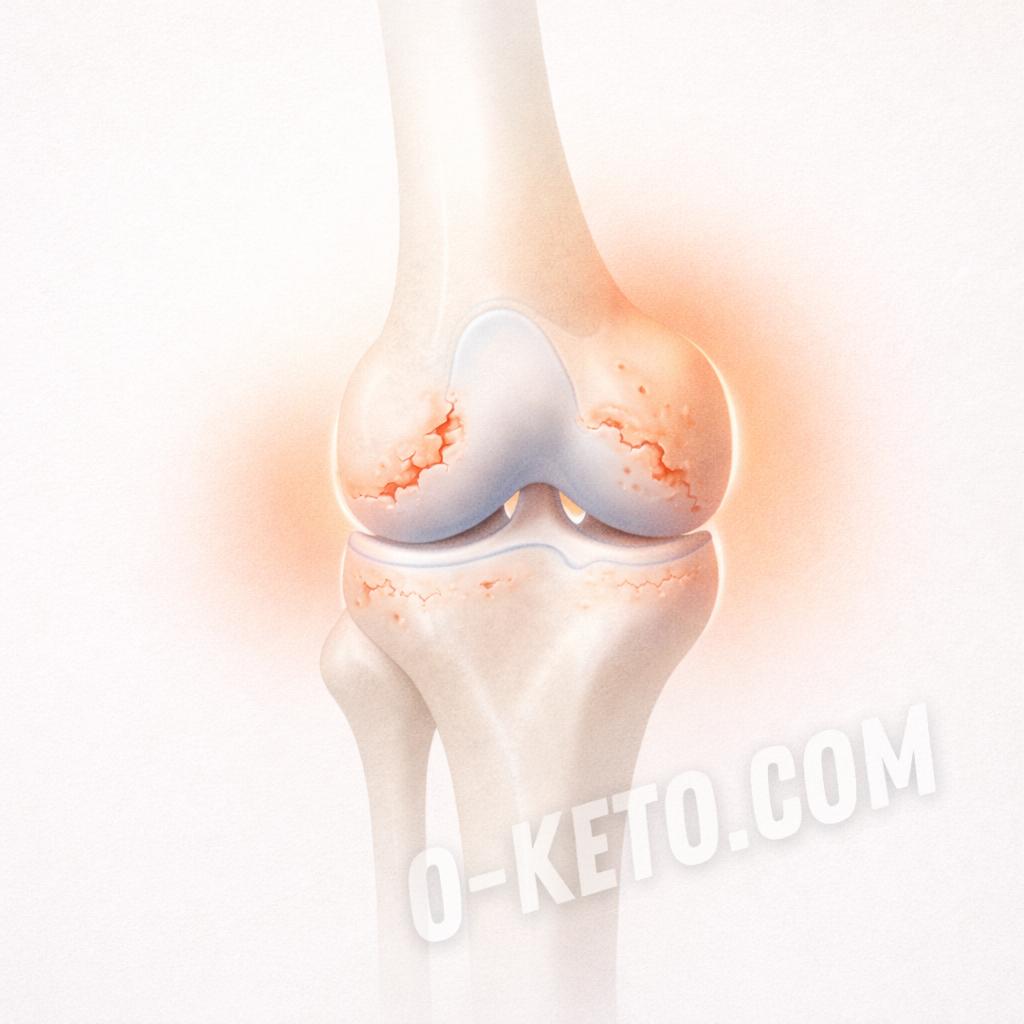
Osteoarthritis


Osteoarthritis is a chronic joint disease in which the articular cartilage, underlying bone tissue, and surrounding structures gradually change. Unlike simple “wear and tear of cartilage,” osteoarthritis is a complex process affecting the entire joint. The condition of the subchondral bone—bone tissue located directly beneath the cartilage—plays an important role in its development.
The Role of Subchondral Bone and Osteoporosis
Cartilage has no blood vessels of its own and largely depends on the condition of the bone beneath it. The subchondral bone acts as a cushioning base for the joint. If its structure is disrupted and mineral density decreases, it is less effective at distributing mechanical load:
- decreased density of bone tissue reduces the bone’s ability to absorb load;
- pressure on the cartilage increases;
- micro-damage to the bone tissue occurs;
- nutrition of the cartilage is impaired;
- destruction of the joint surfaces accelerates.
Therefore, in degenerative joint diseases, it is important to consider the condition of the bone tissue. If osteopenia or osteoporosis is present, restoring joint function without correcting mineral metabolism may be difficult.
Factors Contributing to Osteoarthritis
Osteoarthritis develops under the influence of several factors that may act simultaneously:
- disruption of mineral density in bone tissue;
- joint injuries;
- increased or repetitive mechanical loads;
- age-related changes in tissues;
- congenital features of joint structure;
- genetic predisposition.
Symptoms of Osteoarthritis
The manifestations of the disease usually develop gradually and may worsen over time:
- joint pain during load or movement;
- morning stiffness;
- creaking or clicking in the joint;
- reduced range of motion;
- sensation of instability in the joint.
Diagnosis
Various methods are used to assess the condition of the joints and bone tissue:
- clinical examination and assessment of mobility;
- X-ray of the joints;
- magnetic resonance imaging to assess cartilage and soft tissues;
- densitometry to determine bone mineral density.
Support for Joints and Bone Tissue
The approach to maintaining joint health should consider not only the condition of the cartilage but also the metabolism of bone tissue:
- regular moderate physical activity;
- strengthening the muscles around the joints;
- maintaining a normal body weight;
- providing the body with protein, minerals, and vitamins;
- maintaining normal bone tissue metabolism.
Conclusion
Osteoarthritis is a disease of the entire joint, not just the cartilage. The condition of the subchondral bone plays an important role in its development.
Maintaining normal mineral density of bone tissue and proper load distribution on the joints are key factors in slowing degenerative changes.
If you have any questions о термине "Osteoarthritis", you can ask them to our bot.
List of videos from YouTube by request "Osteoarthritis":