


Acidosis
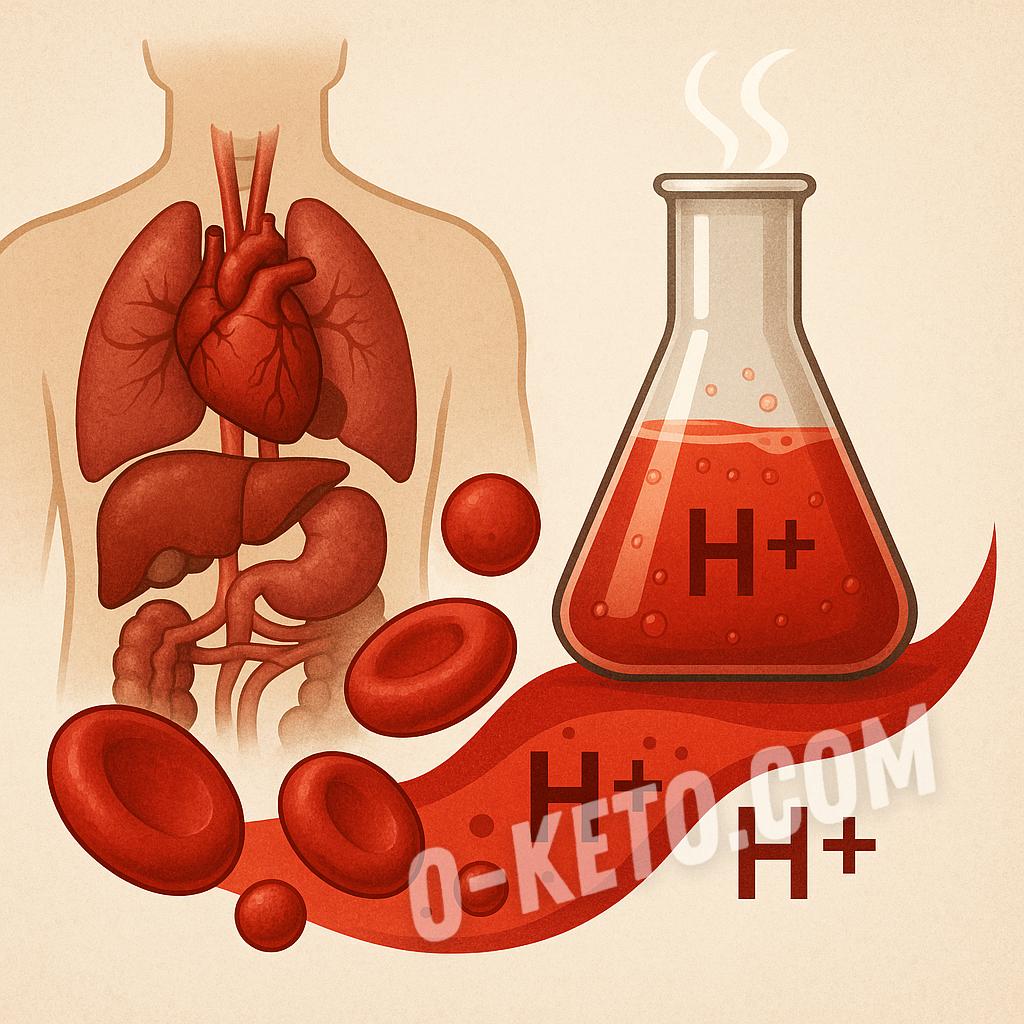
Acidosis — is a condition in which the acidity of the internal environment of the body increases to the point that the blood pH drops below the physiological level.
Unlike short-term local “acidosis” after exercise, true acidosis affects the entire system of acid-base balance regulation and is associated with respiratory disturbances, kidney function, metabolic disorders, or severe infections.
Main Types of Acidosis
Several types of acidosis are distinguished, which differ in their mechanisms of occurrence and approaches to treatment.
- metabolic acidosis: develops due to the accumulation of organic and inorganic acids or loss of bicarbonates, possible in diabetic ketoacidosis, renal failure, severe infections, poisonings;
- respiratory acidosis: associated with impaired lung ventilation and accumulation of carbon dioxide, occurs in chronic obstructive pulmonary disease, bronchial asthma, depression of the respiratory center;
- mixed acidosis: combines metabolic and respiratory mechanisms, occurs in critical conditions and shock;
- compensated and decompensated acidosis: in the early stages, buffer systems, lungs, and kidneys partially compensate for the pH shift, with depletion of reserves, pronounced, clinically severe acidosis develops.
Causes and Mechanisms of Development
Acidosis never occurs on its own; it is always a consequence of another process in the body.
- kidney diseases, in which the ability to excrete acids and reabsorb bicarbonate decreases;
- prolonged fasting, severe carbohydrate deficiency, or decompensated diabetes, leading to the accumulation of ketone bodies (in diabetic ketoacidosis);
- severe infections, sepsis, shock, which increase the production of lactic acid;
- lung diseases and conditions that impair ventilation (COPD, asthma, obesity, chest deformities);
- poisoning with alcohols, certain medications, and toxins that disrupt cellular metabolism;
- excessive intake of acid-forming substances against the background of already existing kidney or respiratory pathology.
Symptoms and Manifestations
The clinical picture depends on the rate of development and depth of acidosis, but a number of signs are particularly common.
- fatigue, weakness, decreased performance;
- headaches, a feeling of “fog” in the head;
- nausea, possible vomiting, decreased appetite;
- difficult or rapid breathing, in severe cases, characteristic deep breathing of Kussmaul type;
- increased heart rate, possible arrhythmias;
- decreased level of consciousness, drowsiness up to coma in pronounced acidosis.
Diagnosis
The severity and origin of acidosis can only be accurately assessed using laboratory and instrumental methods.
- analysis of the gas composition of arterial blood with determination of pH, pCO₂, and bicarbonate level;
- calculation of the anion gap to clarify the type of metabolic acidosis;
- biochemical blood analysis assessing kidney function, lactate level, ketone bodies, electrolytes;
- urine analysis to assess acid excretion and kidney condition;
- study of external respiration function, X-ray or CT of the chest organs in case of suspected respiratory causes.
Correction and Treatment
Treatment is always primarily aimed at eliminating the cause of acidosis, and only then at correcting the acid-base balance.
Elimination of the Primary Factor
- normalization of breathing: oxygen therapy, bronchodilators, if necessary, artificial ventilation;
- treatment of renal failure, in severe cases, dialysis;
- intensive therapy for sepsis and shock, correction of volume status and blood pressure;
- compensation of diabetes and cessation of ketoacidosis, selection of adequate hypoglycemic therapy;
- cessation of the toxic factor and conducting detoxification measures.
Support of Acid-Base Balance
- monitoring electrolytes (potassium, sodium, chloride, magnesium) and their timely correction;
- careful use of sodium bicarbonate solutions only on strict indications and under medical supervision;
- supporting adequate nutrition in acute conditions, transitioning to a gentle regimen after stabilization;
- monitoring blood pH and gas composition to assess the effectiveness of therapy.
Prevention of Acidosis
Preventive measures are aimed at controlling chronic diseases and maintaining the body’s resources.
- adhering to a balanced diet with sufficient vegetables, protein, and water;
- avoiding prolonged periods of uncontrolled fasting, especially in the presence of diabetes;
- regular physical activity adapted to health status;
- monitoring glucose levels in people with carbohydrate metabolism disorders;
- timely treatment of lung and kidney diseases, regular preventive check-ups.
Conclusion
Acidosis — is a serious condition reflecting a deep imbalance in the functioning of organs and systems. It requires prompt diagnosis, identification of the underlying cause, and comprehensive treatment.
It is impossible to distinguish between mild functional “acidosis” and life-threatening acidosis based solely on symptoms, so in cases of shortness of breath, sudden weakness, confusion, pronounced thirst, or uncontrolled vomiting, it is necessary to seek medical help as soon as possible.
If you have any questions о термине "Acidosis", you can ask them to our bot.
List of videos from YouTube by request "Acidosis":


