


Glaucoma
Glaucoma is dangerous not only because of eye pressure, but because of gradual optic-nerve damage that may progress with few symptoms, making regular eye care more important than waiting for pain.




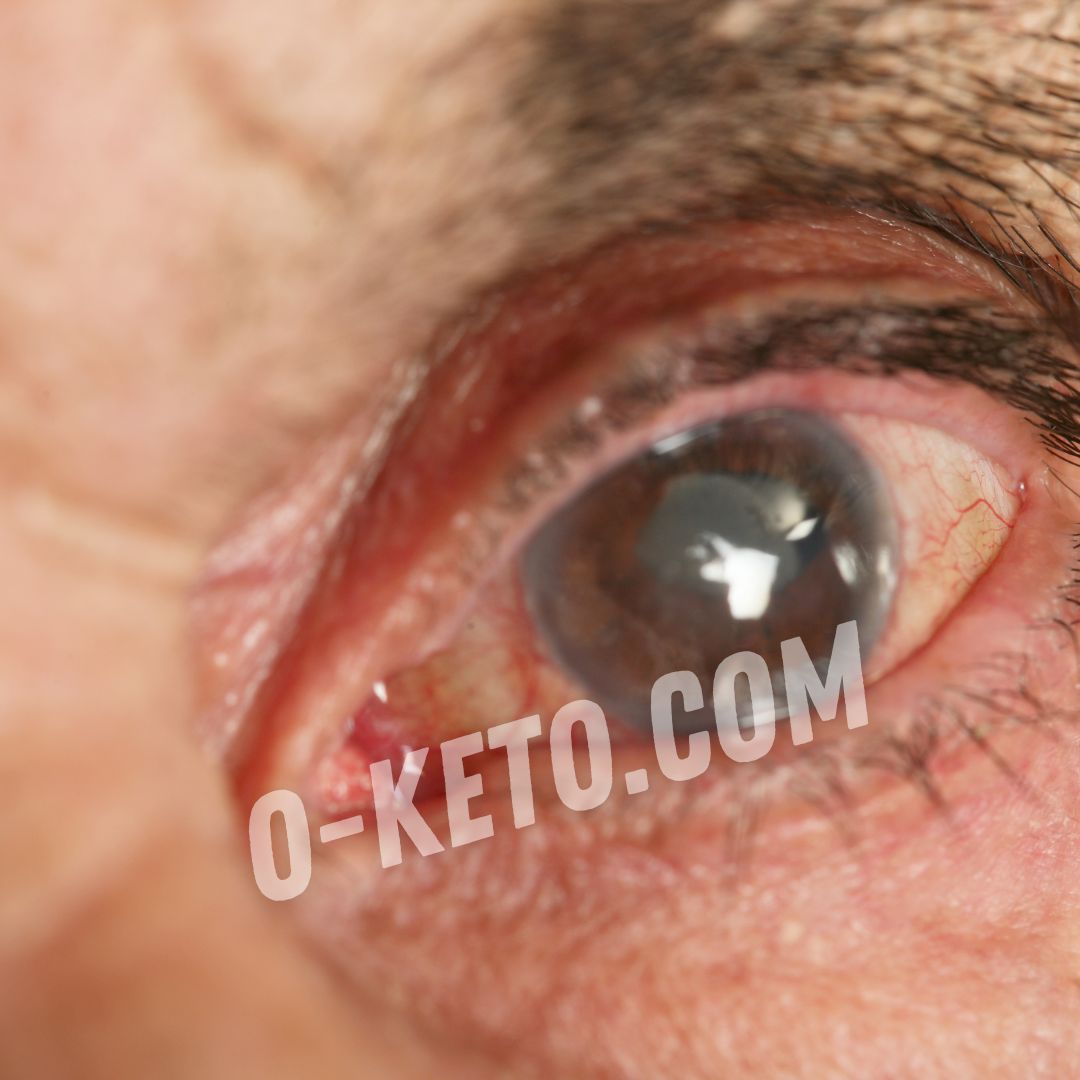
Glaucoma is a group of disorders in which the optic nerve becomes gradually damaged, creating a risk of irreversible vision loss. The most dangerous feature of glaucoma is that early stages are often nearly silent. A person may have no pain, no dramatic symptoms, and no obvious complaint while damage is already accumulating. That is why glaucoma is less about how the eye feels and more about regular ophthalmologic surveillance.
What actually happens in glaucoma
Although glaucoma is often associated with elevated intraocular pressure, the disease should not be reduced to one pressure reading. The core problem is progressive injury to the optic nerve and worsening visual fields. In some people pressure is clearly elevated, while in others it may appear acceptable even though the nerve is still vulnerable. Glaucoma is therefore not simply “high eye pressure,” but a disorder assessed through several structural and functional measures.
The danger lies in gradual peripheral visual loss that may go unnoticed for a long time. The brain adapts, the person compensates, and the problem may become obvious only after part of visual function has already been lost. That is why early recognition matters so much: the sooner the diagnosis is made and pressure or related risks are controlled, the better the chance of preserving vision.
When it becomes more obvious
Open-angle glaucoma may remain almost silent for a long time. But there are also more acute scenarios in which eye pain, redness, blurred vision, halos around lights, nausea, and headache appear. Such a picture requires urgent medical attention. Glaucoma is not always a quiet background issue; an acute event is an emergency rather than a routine follow-up matter.
Even in quieter forms, closer attention is warranted when there is a family history of glaucoma, advancing age, diabetes, hypertension, marked myopia, or prolonged steroid exposure. These factors do not establish the diagnosis by themselves, but they increase the importance of regular evaluation.
How it is usually assessed
When glaucoma is suspected, the ophthalmologist evaluates intraocular pressure, the appearance of the optic nerve, corneal thickness, visual fields, and other structural or functional markers. This matters because one pressure value alone does not always express the true risk of damage. In some people pressure is only moderate but the nerve is vulnerable, while in others higher readings require broader interpretation.
For the patient, the practical message is simple: subjective impressions cannot replace proper monitoring. Glaucoma is a condition in which instrumental assessment is more reliable than waiting for obvious symptoms.
How lifestyle and metabolism fit in
Nutrition and metabolic health do not replace glaucoma treatment, but they can influence vascular function, systemic pressure control, inflammation, and related risk factors. Poorly controlled diabetes, severe hypertension, chronic sleep loss, and vascular instability do not create a favorable background for eye health. It makes sense to support the broader metabolic state, but without pretending that diet alone can replace drops, laser therapy, or other ophthalmologic care.
This is where balance matters. There is no reason to abandon effective treatment for fashionable “natural” promises, but it is also unwise to ignore general vascular and metabolic contributors. Glaucoma should be viewed as an eye disease living inside a whole-body context.
Why glaucoma should never be minimized
A common mistake is waiting for pain or dramatic vision loss before taking the possibility seriously. Another is treating glaucoma as nothing more than one unlucky eye-pressure number. In reality, its importance lies in the fact that early detection and consistent follow-up can slow or prevent further loss of vision. The most reasonable approach is calm seriousness: no panic, but also no neglect of a chronic condition in which regular monitoring and adherence to ophthalmologic treatment matter greatly.
Why symptoms alone are a poor guide
With glaucoma, a person may feel almost nothing for a long time even while the visual field is already narrowing. That is why the absence of pain or obvious discomfort does not protect against vision loss. In practice the most dangerous mistake is to wait for symptoms and miss the window when ophthalmologic monitoring and pressure control can still slow optic-nerve damage. For glaucoma, regular follow-up matters more than the subjective feeling that “everything seems fine.”
If you have any questions about the term "Glaucoma", you can ask them to AI. Please note, a low-cost OpenAI model is used. It may answer questions about disease treatment with errors!


