


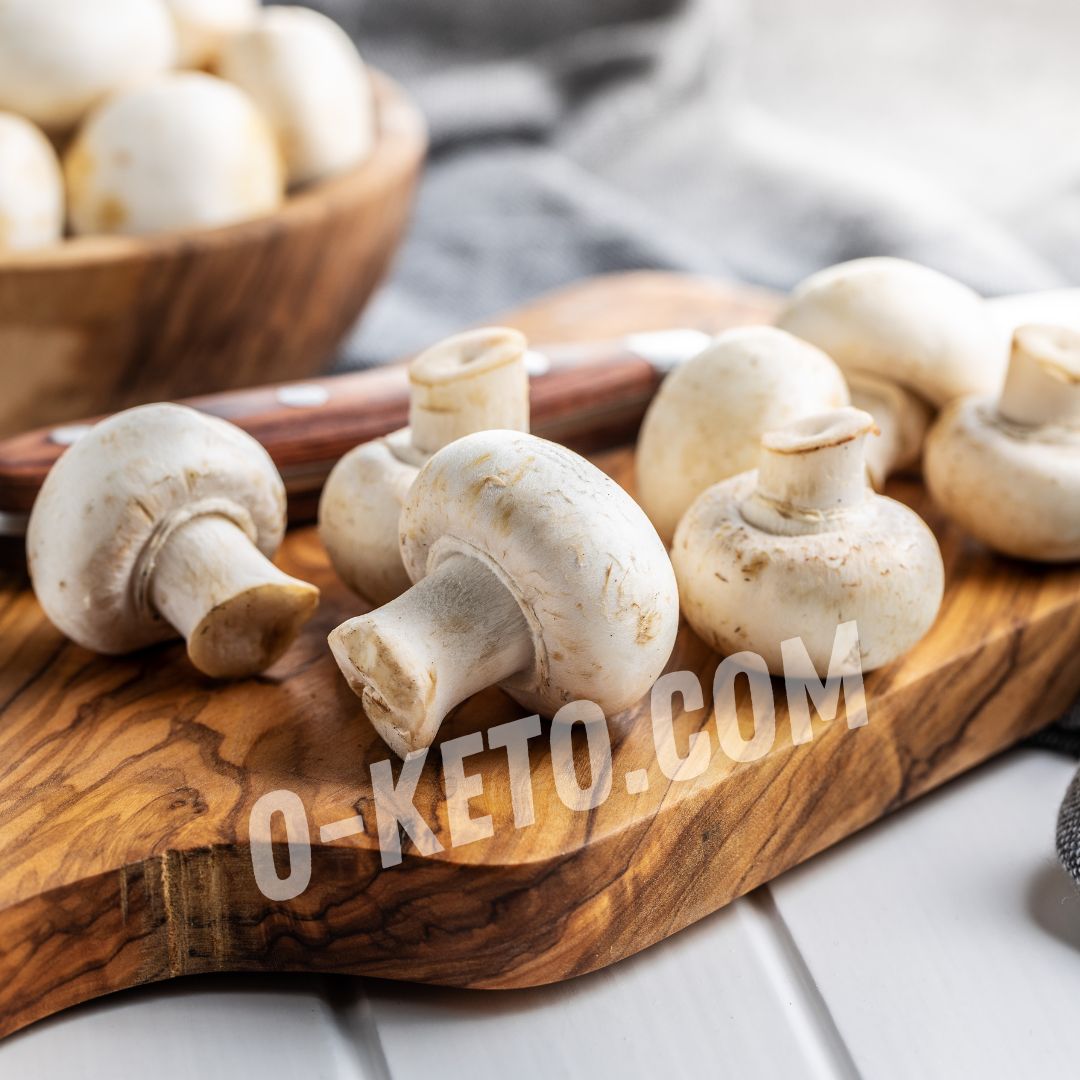

The porcini mushroom, also called cep or boletus, is one of the most recognizable forest mushrooms, with firm flesh, strong aroma, and a nutty mushroom flavor. Its Latin name is Boletus edulis. Fresh porcini keeps its shape well when fried, braised, or boiled, and after drying its aroma becomes even more concentrated. That is why it is used not only as a separate food, but also as an aromatic base for soups, sauces, stews, and fillings.
A good porcini has a fleshy cap, thick stem, and pale dense flesh that does not darken sharply when cut. In season, it is cooked soon after picking, while for longer storage it is dried, frozen, or marinated. In low-carb cooking, porcini is valuable because it gives deep flavor without sugar, flour, or a starchy side dish.
Nutrition
In 100 g of fresh porcini there are usually about 30-35 kcal, roughly 3 g of protein, less than 1 g of fat, and several grams of carbohydrates, part of which is fiber. It also contains potassium, phosphorus, selenium, iron, B vitamins, and a small amount of vitamin D if the mushrooms grew or dried with access to light. Exact values depend on place of growth, age, and processing.
After drying, nutrients and aroma become concentrated, but portion counting also changes. Ten grams of dried porcini can flavor a whole pot of soup, while 100 g of dried mushrooms is already a large culinary amount. Fresh and dried mushrooms therefore should not be compared directly by a per-100 g table.
Place in keto and LCHF
Fresh porcini fits keto and LCHF well when cooked without flour, sweet sauces, or breading. A normal 100-150 g serving gives few carbohydrates and a lot of flavor. Mushrooms are especially convenient in dishes where a grain side would otherwise be used: with butter, eggs, meat, poultry, cream, cheese, or green vegetables.
Ready preserves and marinades need more caution. They may contain sugar, a lot of vinegar, starchy thickeners, or a sweet brine. Dried porcini can also fit keto, but it should be counted by dry weight and used as a concentrate rather than a large portion.
How to cook
Fresh porcini is cleaned with a dry brush or rinsed quickly if there is a lot of sand. It should not sit in water for long: the flesh absorbs moisture and fries worse. For a pan, cut the mushrooms into large pieces, let excess moisture evaporate first, then add butter, salt, pepper, thyme, garlic, or a moderate amount of onion.
Porcini pairs well with butter, sour cream, cream, eggs, beef, chicken, turkey, cauliflower, zucchini, spinach, parsley, and hard cheeses. Dried mushrooms are soaked in warm water before cooking, and the soaking liquid is strained and added to soup or sauce: it carries a lot of aroma, but sand often remains at the bottom.
How to choose
Fresh porcini should smell like forest and mushrooms, without sourness, ammonia, mold, or damp mustiness. The cap may be various shades of brown, while the stem should be firm and not slimy. Wormy parts can be cut away, but a heavily damaged mushroom is not worth buying: flavor will be weaker and waste greater.
Dried porcini should have a strong but clean aroma. Very dark, wet, sticky, or dusty pieces are a bad sign. When buying from private sellers, it is important to be sure of the species and collection area: wild mushrooms require accurate identification.
Limits
Porcini can feel heavy to digest, especially in large portions, with a lot of butter, or late in the evening. Children, pregnant people, and anyone with a sensitive stomach should start with a small portion. Wild mushrooms are not eaten raw and should not be used if freshness or identification is uncertain.
The collection area also matters. Mushrooms actively accumulate substances from the environment, so they should not be gathered near highways, industrial areas, or polluted places. In a keto diet, porcini is a flavorful ingredient, but not something that needs to be eaten daily in large portions.
Storage and substitutes
Fresh porcini is best cooked on the day of purchase or picking. In the refrigerator, keep it in a paper bag or open container so it does not steam itself. For long storage, mushrooms are dried, frozen after brief processing, or preserved using a reliable method.
The closest substitutes by culinary role are dried porcini, shiitake, morels, birch boletes, aspen boletes, button mushrooms with mushroom powder, or a forest mushroom mix. If you need low-carb volume rather than aroma, use button mushrooms, oyster mushrooms, cauliflower, or zucchini, but the flavor will be different.


