


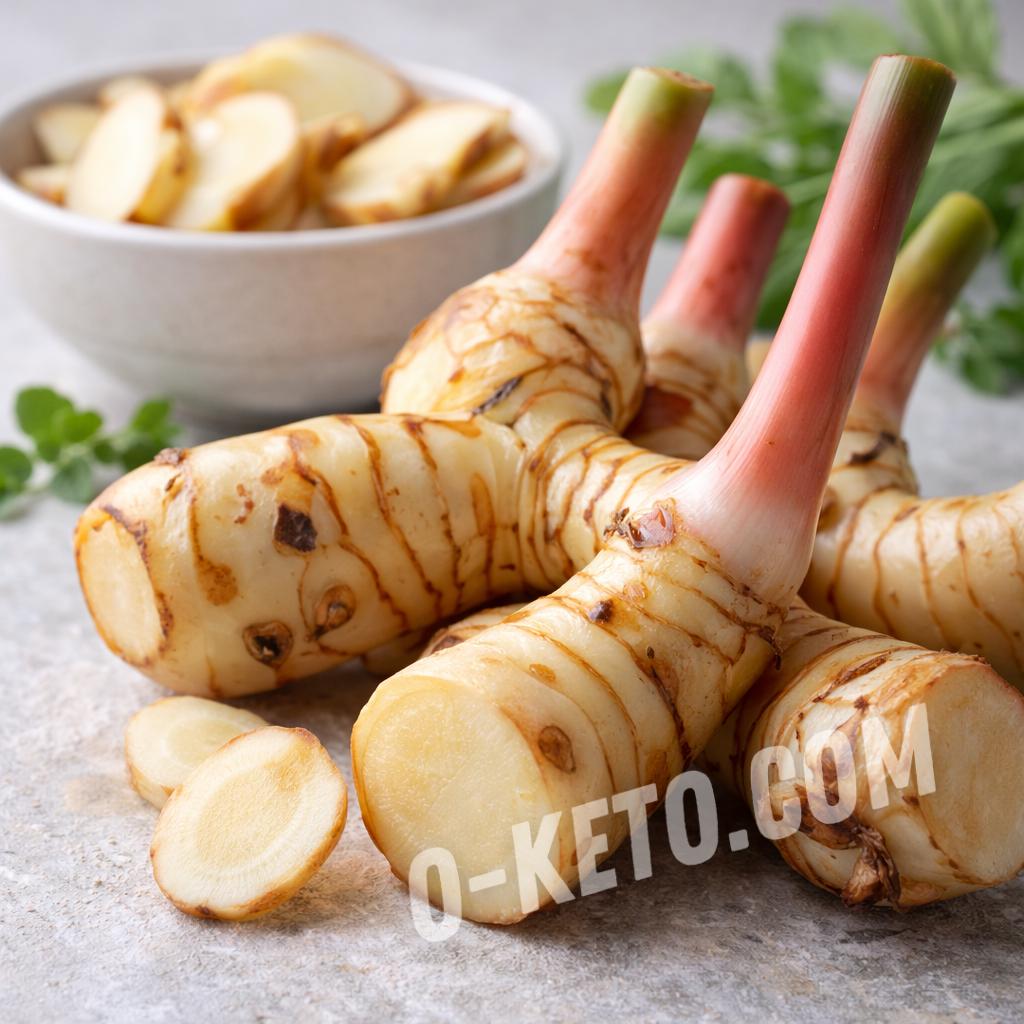

Galangal — an aromatic rhizome from the ginger family, widely used in Asian cuisine and traditional medical systems. It is characterized by a pronounced spicy, slightly citrusy, and camphor-like aroma, and its taste is sharper and drier compared to ginger.
Modern interest in galangal is not only related to gastronomy but also to the study of its antioxidant, anti-inflammatory, and antimicrobial properties. This makes it a relevant ingredient in the context of metabolic health and anti-inflammatory dietary strategies.
Description and Types of Galangal
The term “galangal” encompasses several plants from the genera Alpinia and Kaempferia. The most well-known are:
- Alpinia galanga — greater galangal, widely used in Thai cuisine;
- Alpinia officinarum — lesser galangal, used in Chinese medicine;
- Kaempferia galanga — an aromatic species with a milder profile.
The plant grows in tropical regions of Southeast Asia and prefers a humid climate. The dense light rhizome with a characteristic fibrous structure is used in cooking.
Bioactive Compounds
Galangal contains a complex of phytochemical compounds, including:
- flavonoids;
- essential oils;
- phenolic compounds;
- galangin and alpinin;
- antioxidant polyphenols.
These substances participate in neutralizing free radicals and modulating inflammatory processes.
Potential Health Benefits
Research indicates a number of physiological effects of galangal, although most data have been obtained in vitro or in preclinical models.
Digestive Support. Galangal has traditionally been used to stimulate appetite and the secretion of digestive juices. It may reduce bloating and promote more efficient digestion.
Anti-inflammatory Effect. The active compounds in galangal demonstrate the ability to reduce the activity of pro-inflammatory mediators, which may potentially be beneficial in chronic inflammation.
Antimicrobial Activity. The essential oils of galangal exhibit antimicrobial properties in laboratory studies, explaining its use in traditional healing practices.
Culinary Uses
In Asian cuisine, galangal is used as an aromatic base for soups, curry pastes, and sauces. It pairs well with lemongrass, chili, coconut milk, and turmeric.
Ways to use it:
- thin slices in soups and broths;
- ground root in pastes and marinades;
- dried powder in spice blends;
- infusions and decoctions.
Unlike ginger, galangal has a denser texture and is more often used for flavoring than for direct consumption in large quantities.
Galangal in the Diet
Galangal can be included in the diet as part of an anti-inflammatory and metabolically oriented nutrition plan. It contains virtually no significant carbohydrates in culinary amounts and is suitable for low-carb and keto diets.
Although galangal is not a medicinal remedy, its use within a balanced diet can complement a strategy for maintaining digestive and overall health.


