


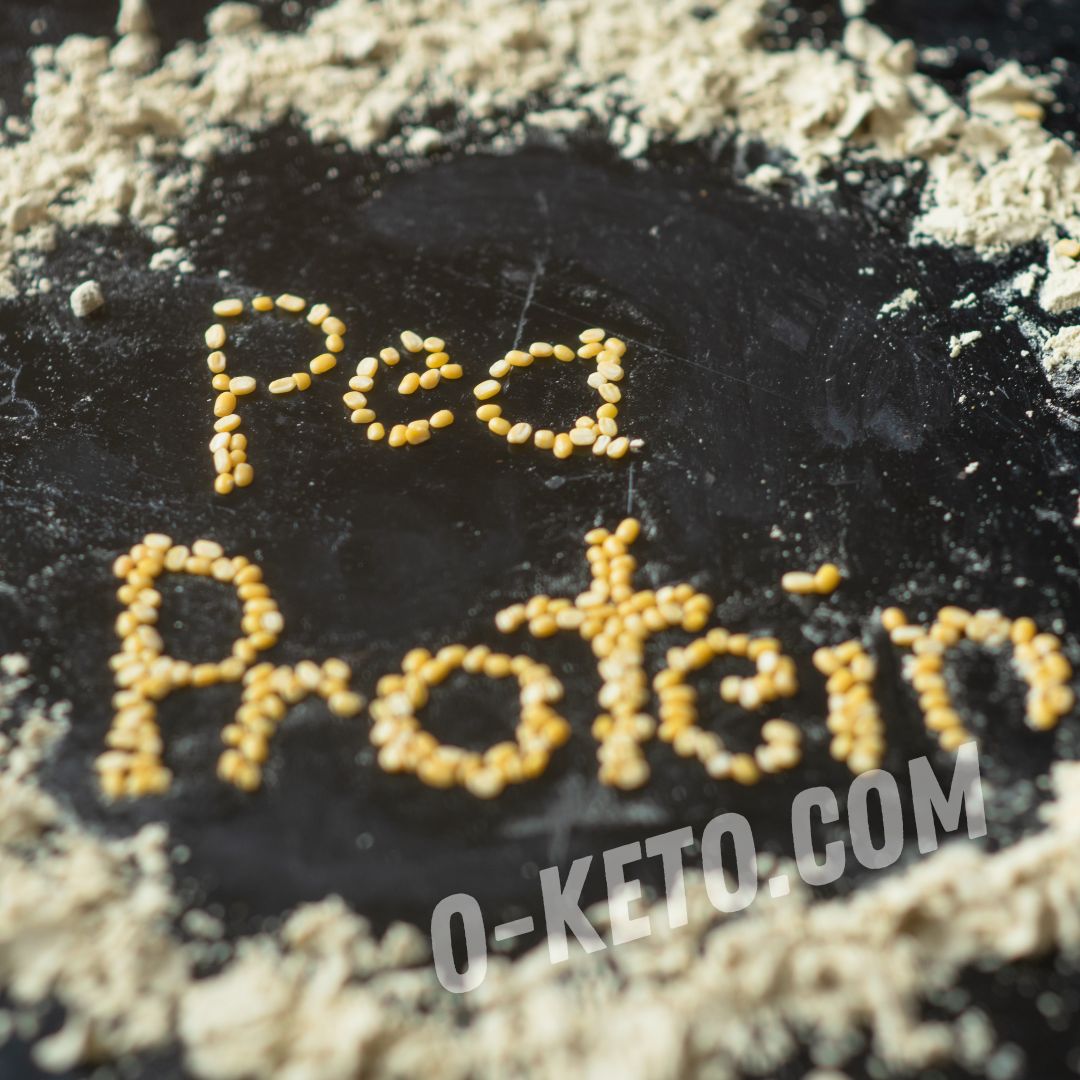

Pea protein isolate is a powdered plant protein made from yellow peas. A large part of the starch and fiber is removed from the raw material, so the finished product contains a high share of protein and relatively few carbohydrates. It is not the same as pea flour: the isolate is used for protein and texture, not for vegetable flavor.
The isolate usually has a neutral or slightly legume-like taste, a light beige color, and a dry fine texture. It is used in protein shakes, smoothies, keto baking, pancakes, bars, sauces, creams, and sometimes in minced meat as a binding ingredient. It is especially convenient when protein needs to be added without dairy, eggs, or soy.
Nutrition
Exact values depend on the producer, but 100 g of pea protein isolate often contains about 75-85 g of protein, 1-8 g of carbohydrates, a small amount of fat, and roughly 350-400 kcal. A normal serving is 20-30 g of powder. Such a serving usually gives about 15-25 g of protein and a little carbohydrate.
Pea protein contains all amino acids that humans need to get from food, but the ratio differs from whey or egg protein. It is usually lower in methionine and higher in lysine. For regular use, it is sensible to combine it with different protein sources: eggs, fish, meat, cottage cheese, collagen, seeds, or other plant proteins if they fit the diet.
Fit for keto and LCHF
Plain pea protein isolate can fit keto and LCHF if the carbohydrate content is low and there is no sugar. It is used to raise protein intake, especially when it is difficult to get enough from ordinary food. But it is a concentrated powder and should not replace complete meals with meat, fish, eggs, vegetables, and fats.
The main risk for a low-carb menu is flavored blends. They may contain sugar, maltodextrin, oat flour, rice syrup, fruit powders, thickeners, and sweeteners that do not suit everyone. For better control, choose plain unflavored isolate or a blend where protein, total carbohydrates, fiber, and sweeteners are clearly listed per serving.
How to use it
For a shake, the isolate can be mixed with water, unsweetened almond milk, cream, unsweetened yogurt, or coconut milk. Pea protein can give a thick, slightly sandy texture, so it is better blended and left for a couple of minutes. Berries, cocoa, vanilla, cinnamon, and salt help soften the legume note.
In dough, the isolate absorbs moisture and can make baked goods dry. It should not simply be added by spoonfuls to any recipe. It is better to reduce some other dry ingredients and add more liquid, eggs, butter, cream cheese, or psyllium. In pancakes and muffins, it works more gently when almond flour or a moderate amount of coconut flour is also present.
In savory dishes, the powder can be used to thicken sauces, blended soups, and minced meat, but the flavor should be checked. It is less noticeable in cream sauce or a spiced marinade than in a clear broth. It can be heated, but strong overheating makes the texture denser and drier.
How to choose
A good ingredient list should contain pea protein isolate, without sugar or unnecessary fillers. If the product is flavored, check not only the front label but the full nutrition table: carbohydrates per serving, type of sweetener, salt, gums, and flavorings.
For cooking, a neutral isolate is often more convenient; for quick shakes, a version with clear flavor and good solubility may be easier. A very strong pea smell, bitterness, or clumping may point to raw material, processing, or storage issues. A small first package reduces the risk of being stuck with a flavor that does not fit.
The protein percentage and a promise of high digestibility do not replace label checking. For keto, focus on carbohydrates per actual serving and the absence of sugar, maltodextrin, and starch. If legumes trigger an allergy or poor tolerance, choose another protein source.
Limits
Pea protein does not suit everyone. Sensitive people may notice bloating, heaviness, or a reaction to legumes. It is better to start with half a serving and watch tolerance. If there is an allergy to peas or other legumes, this powder may be inappropriate.
With kidney conditions, a need to restrict protein, or specific medical diets, the amount of protein powders should be discussed with a qualified professional. It is also important not to turn isolate into the only protein source: ordinary food has texture, fats, micronutrients, and satiety that powder does not fully replace.
Storage and substitutes
Pea protein isolate should be stored tightly closed in a dry cool place. Moisture quickly damages the powder texture and can create clumps. The measuring scoop should be dry. After opening, the package is best kept away from the stove, kettle, and strong smells.
Pea isolate can be replaced with whey isolate, powdered egg white, collagen, rice protein, hemp protein, or a plant protein blend. The substitute depends on the task: whey dissolves better, egg white works well in dough, collagen is not equivalent as a complete protein by amino acid profile, and plant blends often have a softer taste.


