


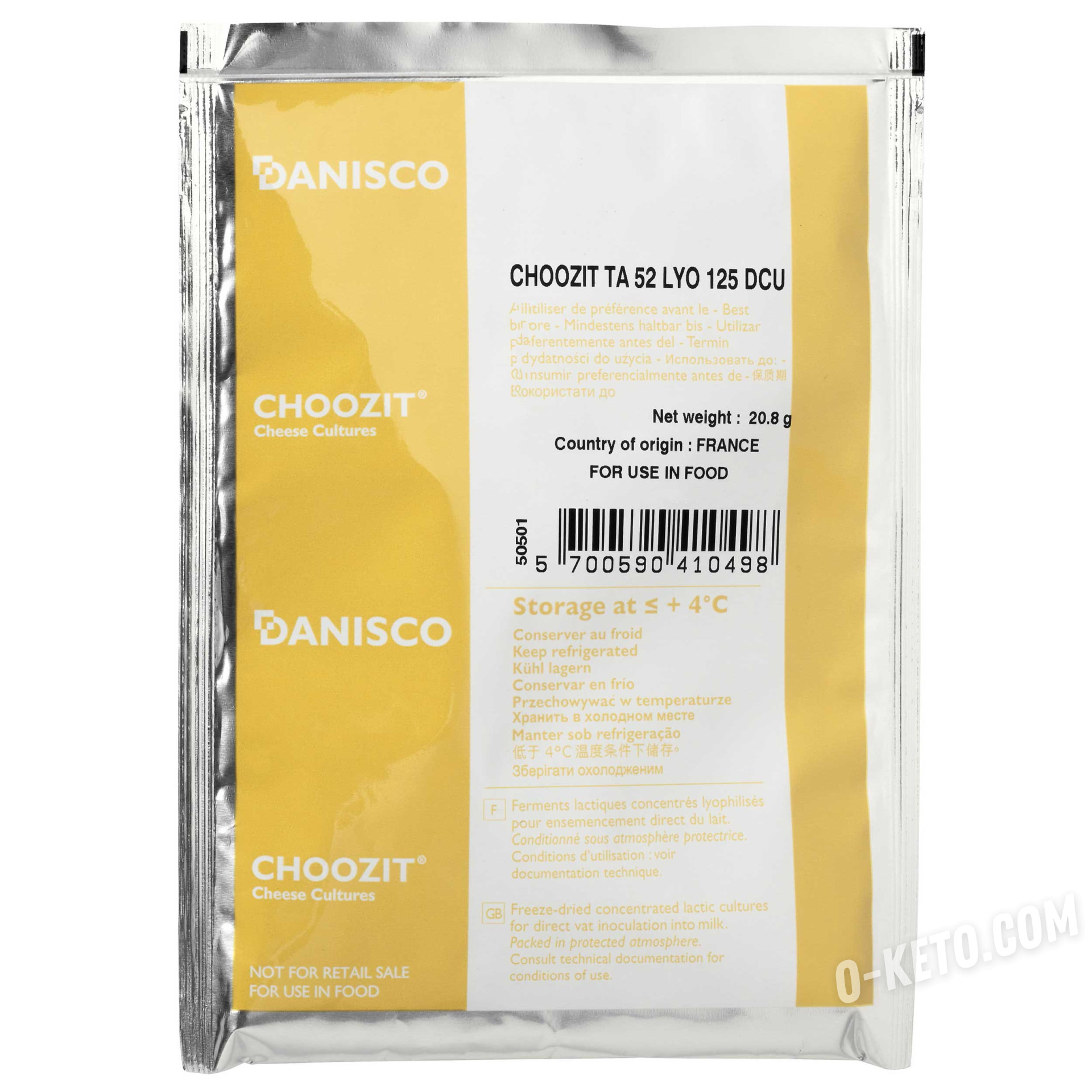

A thermophilic culture is a starter made of microorganisms that work actively at elevated temperatures. In food use, this usually means bacteria for yogurt, some cheeses and other fermented dairy products. They help milk ferment, thicken and develop a tangy flavor.
In a broader biotechnology sense, thermophilic microorganisms can work at 45-80°C and be used to produce thermostable enzymes. But in the kitchen and cheesemaking, the important thing is the specific food starter, its strains, inoculation temperature and fermentation regime.
What It Does
Typical yogurt cultures include Streptococcus thermophilus and Lactobacillus delbrueckii subsp. bulgaricus. In milk, they convert lactose into lactic acid. Acidity rises, milk proteins change structure, and the product becomes thicker.
This fermentation affects flavor, texture, acidity and residual lactose. It does not make dairy completely carbohydrate-free, but tolerance may differ compared with regular milk. For keto, carbohydrates in the finished yogurt or cheese still need to be counted.
Nutrition
The dry culture itself is used in a very small dose and is usually not a meaningful source of calories, protein, fat or carbohydrates in a serving of the finished product. Nutrition is determined by the milk, cream, fermentation time and anything added afterward.
If the culture is used for yogurt, lactose carbohydrates matter. If the product is strained, some whey and lactose are removed. If sugar, fruit, starch or syrup are added, the keto profile worsens regardless of which culture was used.
Is It Keto-Friendly?
The thermophilic culture itself does not interfere with keto. The issue depends on the finished product. Plain unsweetened yogurt, Greek yogurt, sour cream or some cheeses can fit low-carb eating when the portion and label carbohydrates fit.
The word “probiotic” should not be treated as automatic permission for any product. Sweetened yogurt, drinkable desserts, fruit layers, muesli and starchy thickeners can provide many carbohydrates even with a good starter culture.
How to Use It
For homemade yogurt and cheesemaking, cleanliness, temperature and the producer’s instructions matter. Thermophilic cultures are usually added to warm milk, held at a specific temperature and not overheated. If the temperature is too low, fermentation is weak; if too high, some bacteria may die.
Practical rules include:
- use clean equipment and fresh starter;
- follow the temperature recommended by the producer;
- do not add sugar if the product is intended for keto;
- chill the finished product after fermentation;
- count carbohydrates from the dairy base and final serving.
Limits and Mistakes
A thermophilic culture does not guarantee a predictable digestive effect and does not replace medical advice when symptoms are present. Live cultures can be part of the diet, but their effect depends on strains, dose, regularity and individual tolerance.
A common mistake is taking any store-bought “cultured” yogurt and treating it as keto. Read the ingredients and nutrition table: sugar, starch, fruit filling and drinkable format often make the product too high in carbohydrates. Another mistake is poor temperature control at home, producing yogurt that is runny, overly sour or unsafe.
Substitutes
Depending on the recipe, a thermophilic culture may be replaced with another suitable starter: mesophilic cheese culture, yogurt culture, kefir culture or a specialized culture for the product. They should not be swapped randomly because different cultures work at different temperatures and create different acidity, aroma and texture.
What Affects the Result
Milk quality and incubation conditions matter as much as the culture itself. Ultra-processed milk, milk with unsuitable additives or poor cleanliness can lead to a weak curd and off odors. For repeatable results, record temperature, time and dose.
If the finished product is meant for keto, additions should be made after fermentation and only if they fit the carbohydrate plan. Plain yogurt can be paired with chia, nuts, a small amount of berries or cream; sweet syrup immediately changes the product profile.
Do not confuse a starter culture with a finished probiotic supplement. The culture is used for the technological process and may behave differently in different dairy bases. If a specific amount of live cultures per serving is needed, check the producer’s data for the finished product or starter.
How to Read Starter Instructions
Different thermophilic cultures vary in working temperature, incubation time and dose per liter of milk. Before preparation, the specific instructions on the package matter more than the general name. Some starters are designed for yogurt with stable heat, while others are intended for cheesemaking, where rennet is added, the curd is cut and whey is drained.
If the culture has been stored poorly or is close to its expiration date, the result may be weaker: milk thickens more slowly, flavor becomes less clean and the curd turns loose. At home, it is better not to keep an opened packet for too long and not to take dry powder with a wet spoon.
Substitution options in recipes
Greek yogurt. Take 2% of the volume of milk. Contains Streptococcus thermophilus; maintain at 42–45 °C until pH 4.7. The aroma will be creamier, with less diacetyl.


