
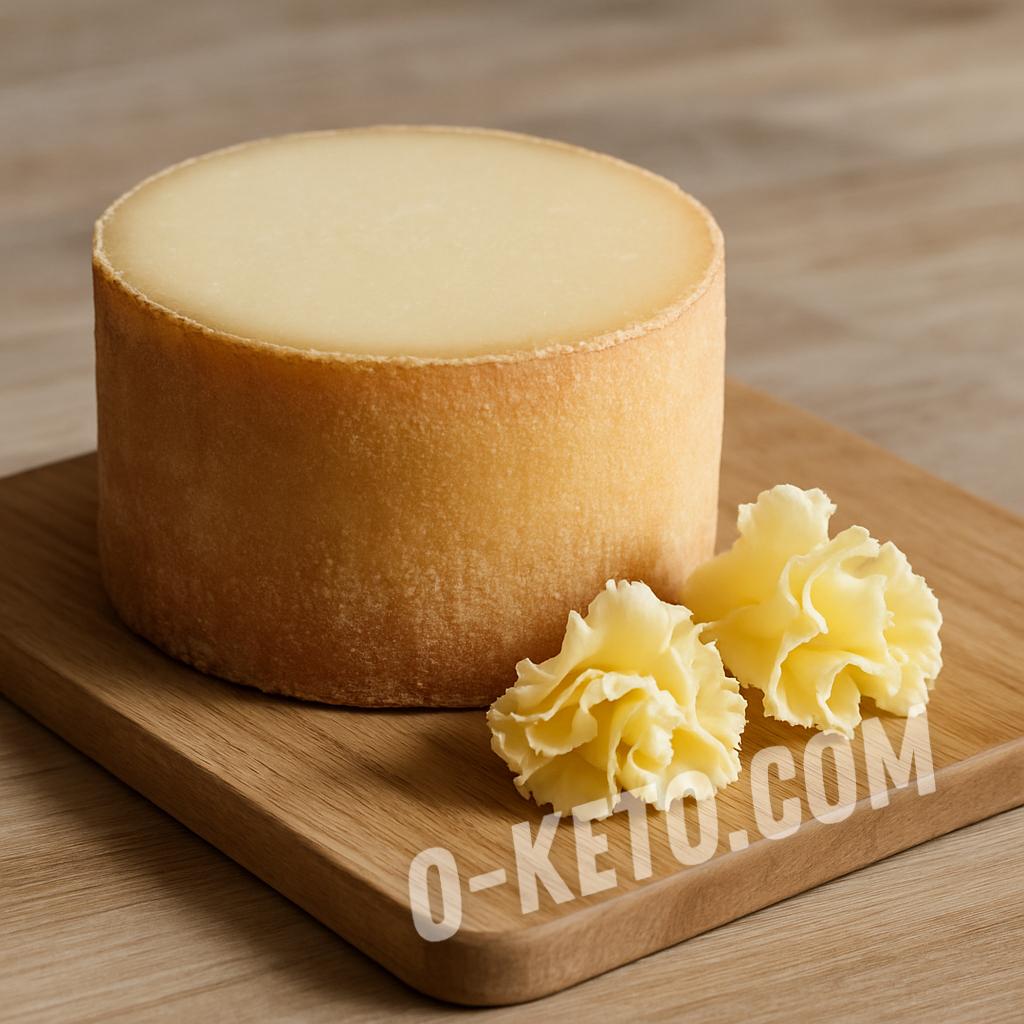
Tete de Moine Cheese

A source of protein and calcium, this cheese has a rich flavor with subtle chocolate and spicy notes thanks to cocoa and cinnamon. Ideal for a keto diet, it supports bone health and promotes satiety.
Read
Video on the topic
Reviews
Notes
Inventory: Probe ThermometerProbe ThermometerJewelry scalesJewelry scales
Kitchen: French
Difficulty: difficult
476
Servings: 20 (1 serving ≈ 568 gram)
Digestion time: 24 hour
Complete protein:
Молоко, Хлористый кальций, Мезофильная культура, Термофильная культура, Lactobacillus helveticus, Geotrichum candidum, Brevibacterium linens, Staphylococcus xylosus MIC SALSA-1, Protective starter culture LPRA, Липаза (для производства сыра), Молокосвертывающий фермент, Вода, Морская соль, Какао-порошок, Корица
Tête de Moine is a matured cheese with a dense elastic texture, usually served in thin rosettes. In the homemade version, temperature, pH, clean work with cultures, and careful aging are especially important.For a stable result, it is more convenient to work with 10 liters of milk with a fat content of about 3.5-3.8% and a pH above 6.6. Use the amount of starter cultures and rennet according to the manufacturer's instructions: in the technical card, the correct temperature, flocculation, and acidity are more important than the weight of the culture.Preparing the MilkPasteurize the milk at 72 °C for 15 seconds, then cool it to a working temperature of 33-34 °C. Add calcium chloride at a rate of 1 g per 10 liters of milk.Add mesophilic-thermophilic starter culture, Lactobacillus helveticus, Geotrichum candidum, and Brevibacterium linens according to the manufacturer's norm. Optionally, add lipase and protective culture LPRA. Staphylococcus xylosus MIC SALSA-1 can be added as an additional culture for the rind. Leave the milk with the cultures for 30 minutes.Curd and GrainAdd the milk-coagulating enzyme so that the flocculation point occurs in 10-15 minutes. The target pH at this stage is approximately 6.55-6.50. Use a flocculation multiplier of 3.Cut the curd into cubes of 0.7-1 cm, let the grain firm up a bit, and gently stir it with a whisk. For the first 10 minutes, stir without heating. Then continue stirring for 30-40 minutes, gradually raising the temperature to 50 °C.Let the grain form a slab under the whey for 5-10 minutes. Using drainage cloth, remove the slab and transfer it to the mold. The target pH at the time of molding is around 6.3.Pressing and SaltingPress for 60 minutes with a weight equal to one weight of the cheese. Flip the cheese and press for 60 minutes under two weights of cheese. Flip again and press for 120 minutes under three weights of cheese.Salt the cheese at a pH of about 5.3. If you do not have a pH meter, proceed cautiously: the aroma should resemble that of mozzarella or suluguni before extraction. On average, it takes about 12 hours from pasteurization to salting. You can put the cheese in the cold for 12 hours after pressing, and then salt it.For the brine, dissolve 300-350 g of salt in 1 liter of water, add 0.1 g of calcium chloride, and cool the brine to about 12 °C. If you have a pH meter, acidify the brine to pH 5.3. Salt for 70 minutes for every 100 g of cheese.Drying and AgingDry the cheese in the refrigerator at a humidity of about 85%. After drying, rub the surface with a mixture of cocoa and cinnamon or another dry coating, such as coffee, pepper, ash, or matcha tea.Aging the cheese in the coating for 3-4 weeks. 4-5 days before cutting, rinse the coating with salt brine and dry the cheese again. The total aging period is 4-8 weeks.
Keto, LCHF: Recipes, Rules, Description $$$
Odessa

Tête de Moine is a matured cheese with a dense elastic texture, usually served in thin rosettes. In the homemade version, temperature, pH, clean work with cultures, and careful aging are especially important.

For a stable result, it is more convenient to work with 10 liters of milk with a fat content of about 3.5-3.8% and a pH above 6.6. Use the amount of starter cultures and rennet according to the manufacturer’s instructions: in the technical card, the correct temperature, flocculation, and acidity are more important than the weight of the culture.

Preparing the Milk

Pasteurize the milk at 72 °C for 15 seconds, then cool it to a working temperature of 33-34 °C. Add calcium chloride at a rate of 1 g per 10 liters of milk.

Add mesophilic-thermophilic starter culture, Lactobacillus helveticus, Geotrichum candidum, and Brevibacterium linens according to the manufacturer’s norm. Optionally, add lipase and protective culture LPRA. Staphylococcus xylosus MIC SALSA-1 can be added as an additional culture for the rind. Leave the milk with the cultures for 30 minutes.

Curd and Grain

Add the milk-coagulating enzyme so that the flocculation point occurs in 10-15 minutes. The target pH at this stage is approximately 6.55-6.50. Use a flocculation multiplier of 3.

Cut the curd into cubes of 0.7-1 cm, let the grain firm up a bit, and gently stir it with a whisk. For the first 10 minutes, stir without heating. Then continue stirring for 30-40 minutes, gradually raising the temperature to 50 °C.

Let the grain form a slab under the whey for 5-10 minutes. Using drainage cloth, remove the slab and transfer it to the mold. The target pH at the time of molding is around 6.3.

Pressing and Salting

Press for 60 minutes with a weight equal to one weight of the cheese. Flip the cheese and press for 60 minutes under two weights of cheese. Flip again and press for 120 minutes under three weights of cheese.

Salt the cheese at a pH of about 5.3. If you do not have a pH meter, proceed cautiously: the aroma should resemble that of mozzarella or suluguni before extraction. On average, it takes about 12 hours from pasteurization to salting. You can put the cheese in the cold for 12 hours after pressing, and then salt it.

For the brine, dissolve 300-350 g of salt in 1 liter of water, add 0.1 g of calcium chloride, and cool the brine to about 12 °C. If you have a pH meter, acidify the brine to pH 5.3. Salt for 70 minutes for every 100 g of cheese.

Drying and Aging

Dry the cheese in the refrigerator at a humidity of about 85%. After drying, rub the surface with a mixture of cocoa and cinnamon or another dry coating, such as coffee, pepper, ash, or matcha tea.

Aging the cheese in the coating for 3-4 weeks. 4-5 days before cutting, rinse the coating with salt brine and dry the cheese again. The total aging period is 4-8 weeks.


Any remaining questions? Ask chatGPT.:

If you have any questions about the recipe "Tete de Moine Cheese", you can ask them to AI. Please note, a low-cost OpenAI model is used. It may answer questions about disease treatment with errors!

Ask a question
Share:
Keto, LCHF: Recipes, Rules, Description $$$
Odessa