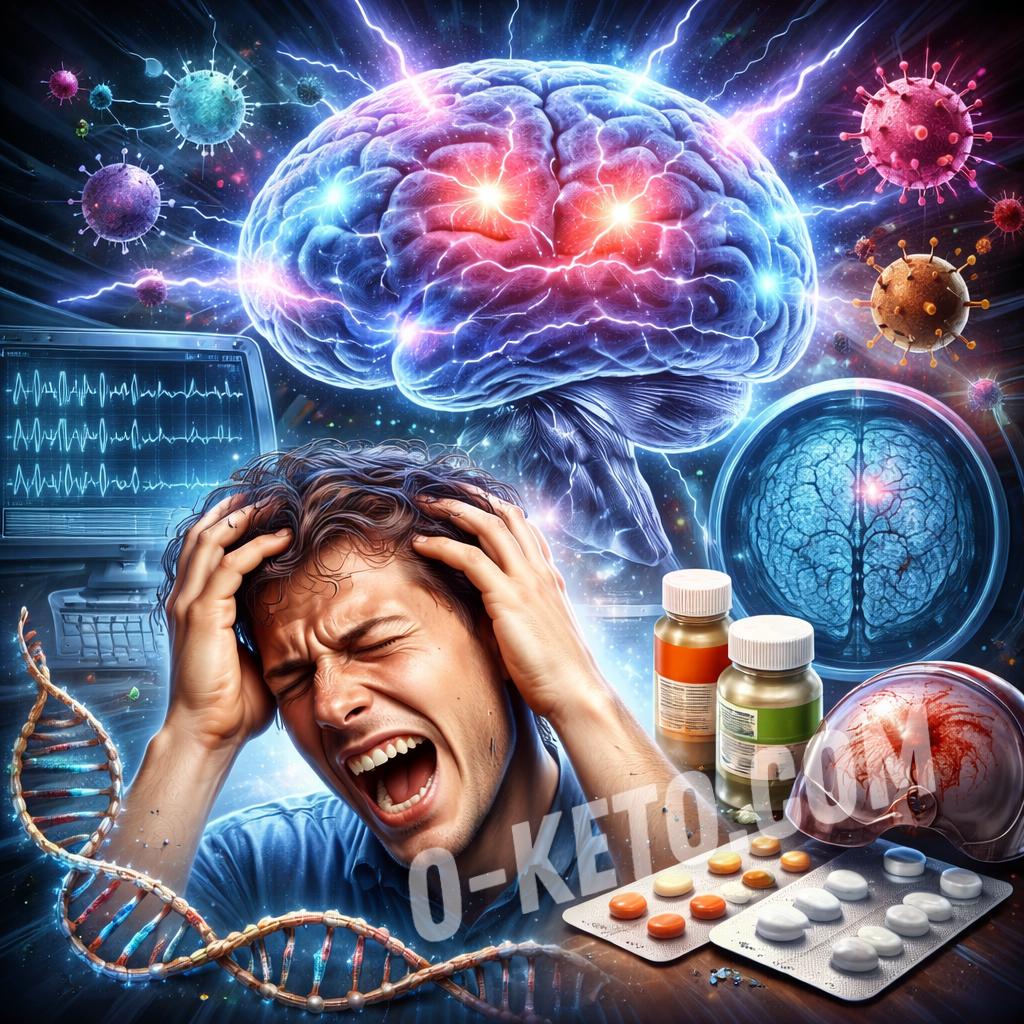
Epilepsy — is a chronic neurological condition characterized by increased seizure readiness in the brain.
The disease is associated with an imbalance between excitatory and inhibitory processes in the nervous system, leading to periodic epileptic seizures. These seizures manifest as excessive and synchronous electrical activity of neurons and can present a variety of clinical pictures — from brief lapses of consciousness to pronounced convulsions with loss of control over the body.
Epilepsy is not a single disease. It is a group of conditions with different mechanisms, causes, and prognoses, requiring an individualized approach to diagnosis and treatment.
Causes of Epilepsy
The development of epilepsy may be associated with both congenital and acquired factors:
genetic predisposition and hereditary forms of epilepsy;
traumatic brain injuries, including delayed consequences of concussions;
intrauterine brain damage and hypoxia during birth;
infectious lesions of the nervous system, including meningitis and encephalitis;
tumors and structural changes in the brain;
strokes and brain hemorrhages;
metabolic disorders, magnesium deficiencies, B vitamin deficiencies, and energy failures of neurons.
In some cases, the exact cause cannot be identified, and such forms are referred to as idiopathic.
Types of Epileptic Seizures
The classification of seizures is based on which part of the brain is involved in the pathological process:
focal seizures, starting in a limited area of the brain and accompanied by local symptoms;
generalized seizures, where pathological activity encompasses the entire brain from the outset;
seizures with secondary generalization, when a focal seizure progresses to a generalized one.
Clinical manifestations may include muscle twitching, convulsions, automatic movements, loss of consciousness, sensory or psychological phenomena.
Neurophysiological Mechanisms
The basis of epilepsy lies in the imbalance between excitatory neurotransmitters and inhibitory systems of the brain. Excessive activity of glutamate and insufficient functioning of the GABA system increase neuronal excitability. Additional roles are played by:
These mechanisms explain why correcting nutritional status and metabolism can influence the frequency and severity of seizures.
Diagnosis
The diagnosis of epilepsy is conducted comprehensively and includes:
detailed medical history and description of seizures;
neurological examination;
electroencephalography to assess the electrical activity of the brain;
magnetic resonance imaging to identify structural changes;
evaluation of metabolic and nutritional factors affecting the excitability of the nervous system.
It is important to distinguish epileptic seizures from fainting, panic attacks, and other paroxysmal states.
Treatment
The basis of treatment is the control of seizures and reduction of the brain’s seizure readiness. The approach may include:
antiepileptic medications tailored individually;
correction of magnesium, B vitamin, and fatty acid deficiencies;
ketogenic diet as a metabolic therapy that reduces neuronal excitation;
neurostimulation in drug-resistant forms;
surgical treatment in strictly selected cases.
Additional importance is placed on sleep patterns, stress management, and the exclusion of seizure triggers.
Prognosis and Quality of Life
The prognosis for epilepsy is individual and depends on the form of the disease, age of onset, frequency of seizures, and response to therapy. In a significant number of patients, with proper treatment selection, it is possible to achieve sustained remission and maintain a high quality of life.
Epilepsy requires long-term monitoring and a comprehensive approach that combines medication, lifestyle adjustments, and support for the metabolic health of the nervous system.
Any remaining questions? Ask chatGPT.:
If you have any questions о термине "Epilepsy", you can ask them to our bot.
Ask a question
List of videos from YouTube by request "Epilepsy":
Only verified information backed by research, physiology, and biochemistry about your health.
Why diseases occur, how to heal with proper nutrition, vitamins, and minerals, what therapeutic doses to take, and which diet is optimal for your health. What tests to take and how to interpret the results.
In the settings, you can also enable knowledge based on GNM and homeopathy.
We use cookies to ensure the best presentation of our website. If you continue to use the site, we will assume that you are satisfied with it.