


Gluten
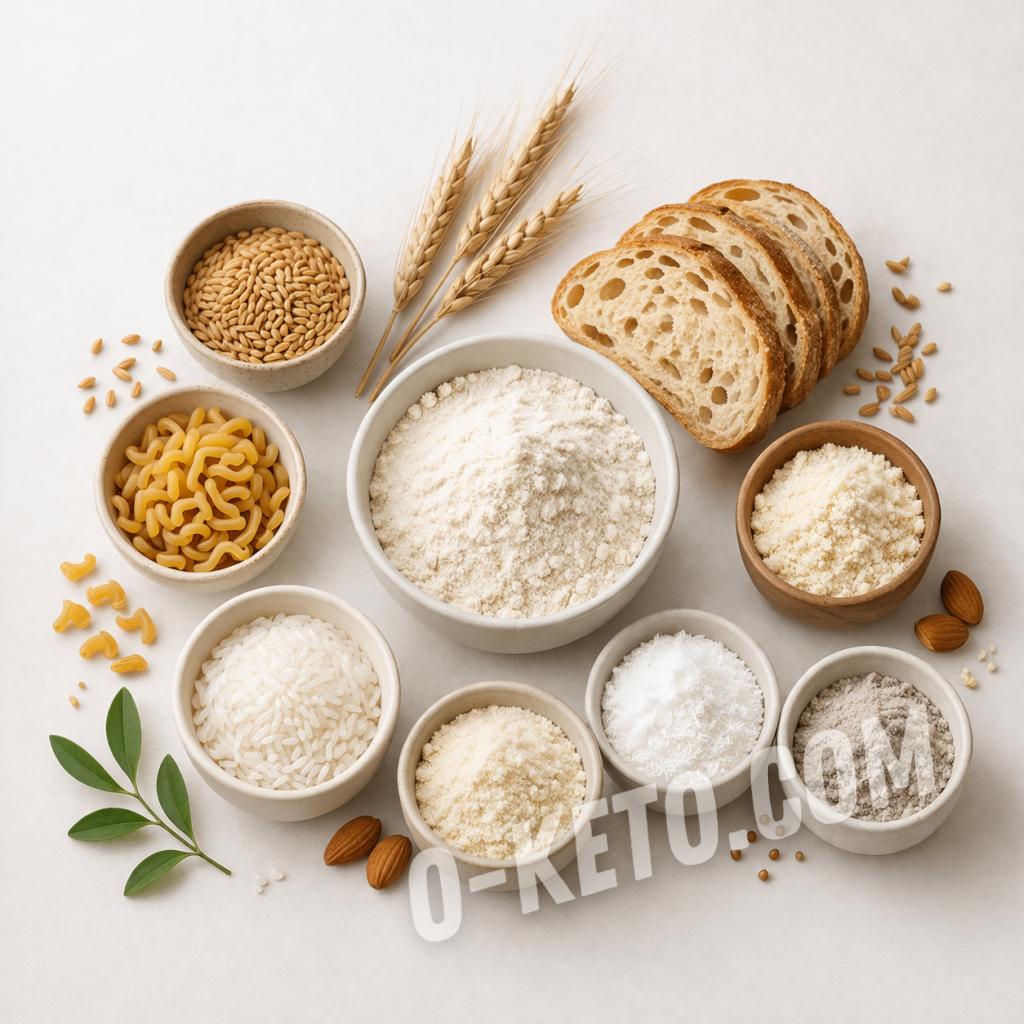
Gluten — is a group of proteins found in cereal crops, primarily in wheat, rye, and barley. It is responsible for the structure of dough, its elasticity, and the ability to retain gas during fermentation.
In nutrition science, gluten is considered not only as a technological component but also as a factor influencing the state of the intestines and the immune system.
Beneficial Properties
For most people, gluten does not have a negative impact and can be part of the diet. Its properties are mainly related to its food and technological roles:
- it participates in forming the structure of bread and baked goods;
- it provides elasticity and texture to products;
- it contains amino acids that are part of plant protein;
- in whole grains, it comes along with fiber and trace elements.
Sources and Features of Obtaining
The main sources of gluten are cereal crops and their processed products:
- wheat and all its derivatives (flour, bread, pasta);
- barley and products based on it;
- rye;
- industrial products where gluten is used as a thickener or stabilizer.
Gluten forms when the proteins gliadin and glutenin come into contact with water, creating a sticky network.
Symptoms and Consequences of Intolerance
In some people, gluten can cause various reactions related to the disruption of intestinal and immune system function:
- bloating, gas, and discomfort after eating;
- disruption of stool;
- inflammatory reactions of the intestinal mucosa;
- reduced nutrient absorption due to damage to intestinal villi;
- skin and systemic manifestations in case of sensitivity.
The most pronounced form of reaction is celiac disease — an autoimmune condition in which gluten causes damage to the small intestine.
Possible Risks of Excess and Sensitivity:
- chronic irritation of the intestines in case of increased sensitivity;
- disruption of the intestinal barrier function;
- exacerbation of inflammatory processes in predisposed individuals;
- reduced efficiency of digestion.
Gluten and Keto Diet
In the context of a keto diet, gluten-containing products are almost entirely excluded. This is not due to gluten itself, but because its main sources are also significant sources of carbohydrates:
- cereal products and their derivatives are excluded;
- the load on the intestines is reduced in case of sensitivity;
- alternative low-carbohydrate flours are used;
- the diet is based on products with higher nutrient density.
Gluten-Free Alternatives. In low-carbohydrate diets, alternative sources of flour and texturizing components are used:
- almond flour;
- coconut flour;
- flour from seeds and nuts;
- psyllium and other fibers for dough structure.
Conclusion
Gluten — is a functional grain protein that is safe for most people but can cause reactions in cases of individual sensitivity. In the context of a keto diet, its exclusion occurs due to carbohydrate restriction, not as an independent goal. When choosing alternatives, it is important to consider not only the absence of gluten but also the overall composition of the product and its impact on metabolism.
If you have any questions о термине "Gluten", you can ask them to our bot.
List of videos from YouTube by request "Gluten":


