


Low libido
Low libido is often linked not only to age, but also to stress load, androgen status, sleep quality, vascular tone, medication effects, and overall metabolic health.
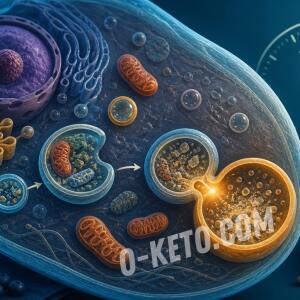



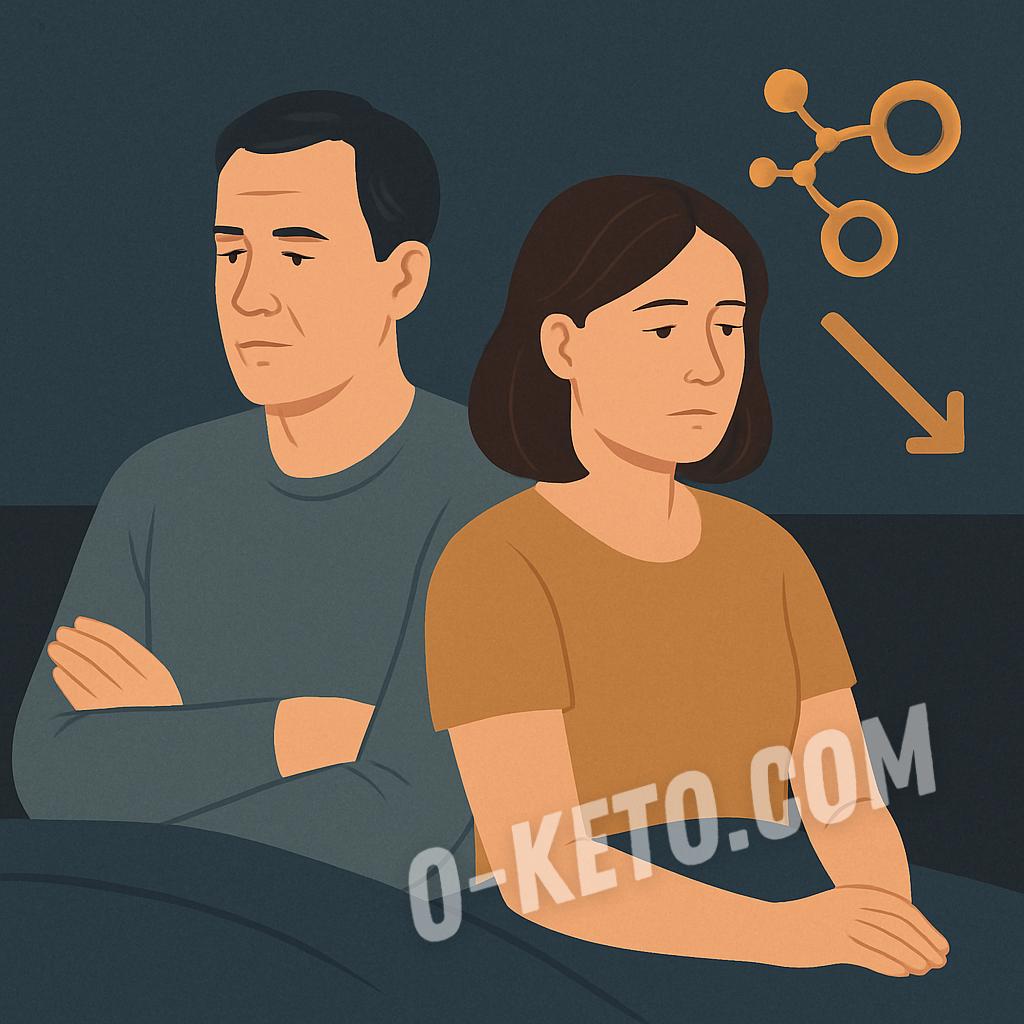
Low libido means a persistent drop in sexual desire, sexual initiative, and interest in intimacy. It is not always a disease by itself, but it is also not something that should automatically be dismissed as age, tiredness, or personality. In some people it develops gradually: sexual thoughts become less frequent, desire for contact weakens, and pleasure from intimacy fades. In others it becomes obvious during periods of chronic stress, sleep deprivation, medication use, androgen deficiency, thyroid dysfunction, vascular problems, depressive symptoms, or marked metabolic imbalance. Sexual desire is not controlled by one gland or one hormone alone. It reflects coordinated work of the nervous system, hormonal balance, circulation, mood, sleep, energy availability, and relationship context.
What commonly lowers sexual desire
Libido can decline for many reasons, and in practice several of them usually overlap. In men, common contributors include low or borderline-low testosterone, chronic stress, excess cortisol, obesity, insulin resistance, atherosclerotic vascular changes, low physical activity, excess alcohol, and smoking. Medications matter as well: some antidepressants, blood pressure drugs, sedatives, and therapies that interfere with hormonal balance can noticeably reduce sexual desire. In women, a similar pattern may be supported by hormonal fluctuations, iron deficiency, chronic fatigue, pain, poor sleep, anxiety, and conflict between physical exhaustion and everyday overload.
The psychoneurological component is often underestimated. When a person lives in a constant fight-or-flight mode, recovers poorly, feels unsafe, sleeps badly, and stays in a background state of anxiety, the body begins to conserve resources. Sexual motivation can easily move down the priority list. For that reason, low libido should not be interpreted only as a lack of hormones. Sometimes the primary context is stress-related, vascular, inflammatory, or metabolic.
Which tests help clarify the cause
If reduced desire lasts for a long time, affects relationships, or comes together with other symptoms, it makes sense to investigate it through actual data rather than guesses. In men, evaluation often includes total and free testosterone, sex hormone-binding globulin, LH, FSH, prolactin, TSH, and sometimes estradiol and DHEA-S. If obesity, fatigue, or metabolic features are present, glucose, insulin, glycated hemoglobin, lipid profile, liver enzymes, and waist circumference are also useful. In women, depending on age and symptoms, iron, ferritin, thyroid markers, sex hormones, sleep quality, pain burden, and mood may all need assessment.
Numbers should always be interpreted in context. A person with technically normal testosterone may still have markedly reduced libido because of chronic sleep loss, persistent stress, inflammation, hypertension, obesity, or medication side effects. On the other hand, one borderline lab result does not prove that the whole problem is purely hormonal. A useful evaluation usually looks wider than one or two markers.
Why metabolism and circulation matter
Sexual desire is closely connected to energy availability, neurotransmitter tone, and proper vascular response. When insulin resistance is pronounced, triglycerides stay high, visceral fat accumulates, sleep worsens, and blood pressure rises, the consequences are broader than heart or pancreas risk alone. Hormone production, endothelial function, tissue responsiveness, inflammatory burden, and the ability to switch into recovery mode all begin to suffer. Libido often declines before a person receives a formal cardiovascular or endocrine diagnosis.
Because of that, low libido can be viewed as a marker of broader physiological strain rather than just an isolated intimate complaint. It may be one of the first signs that the body needs better recovery, more movement, improved glucose control, weight reduction, or revision of a medication plan. This perspective is useful because it allows support of the root causes rather than chasing the symptom alone.
What is usually used for support
The approach depends on the driver. If sleep deprivation, chronic stress, and overwork are central, even strong supplements often give weak or short-lived results until recovery improves. If obesity, insulin resistance, or hypertension play a major role, work on body composition, carbohydrate load, activity, and vascular risk may improve desire more than a random collection of stimulants. If androgen deficiency or major hormonal abnormalities are present, medical review is important because not every situation should be managed with supplements alone.
Nutritional support may include zinc, vitamin D, omega-3, magnesium, and selected plant-based or adaptogenic compounds when they match the situation. The goal is not to force libido upward at any cost. A better goal is to support hormonal balance, vascular function, sleep quality, and inflammatory control while removing the factors that steadily suppress desire. If a supplement worsens sleep, increases irritability, raises blood pressure, or triggers unpleasant vascular symptoms, the plan should be reviewed rather than continued automatically.
When medical evaluation should not be delayed
It is wise to seek evaluation sooner if low libido appeared abruptly, comes together with erectile dysfunction, loss of morning erections, marked weakness, decline in muscle mass, depressive symptoms, elevated prolactin, strong blood pressure fluctuations, or chest discomfort. In women, concern rises if it is combined with severe dryness, pain, menstrual disruption, persistent insomnia, or depressive symptoms. A new medication is another major clue, because a side effect may be the real trigger.
Low libido is best treated as a meaningful signal that the body lacks energy, hormonal stability, vascular flexibility, or psychological recovery. When the cause is identified and addressed consistently, sexual desire often returns not as a short burst, but as part of broader improvement in health and well-being.
If you have any questions about the term "Low libido", you can ask them to AI. Please note, a low-cost OpenAI model is used. It may answer questions about disease treatment with errors!


 1 / 4
1 / 4 1 / 4
1 / 4
 1 / 4
1 / 4 1 / 4
1 / 4


