


Periods of stress
Periods of stress often come with poorer sleep, shifts in appetite, inner tension, and a greater need for restorative lifestyle and nutritional support.
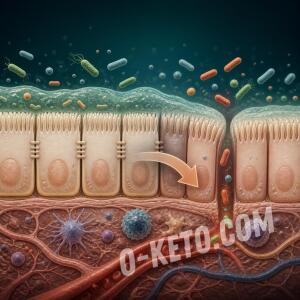

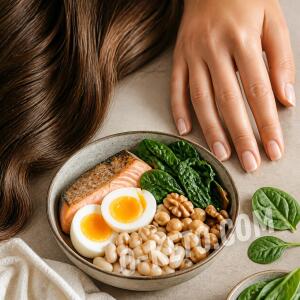
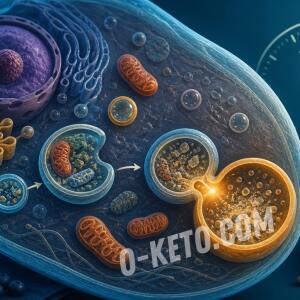
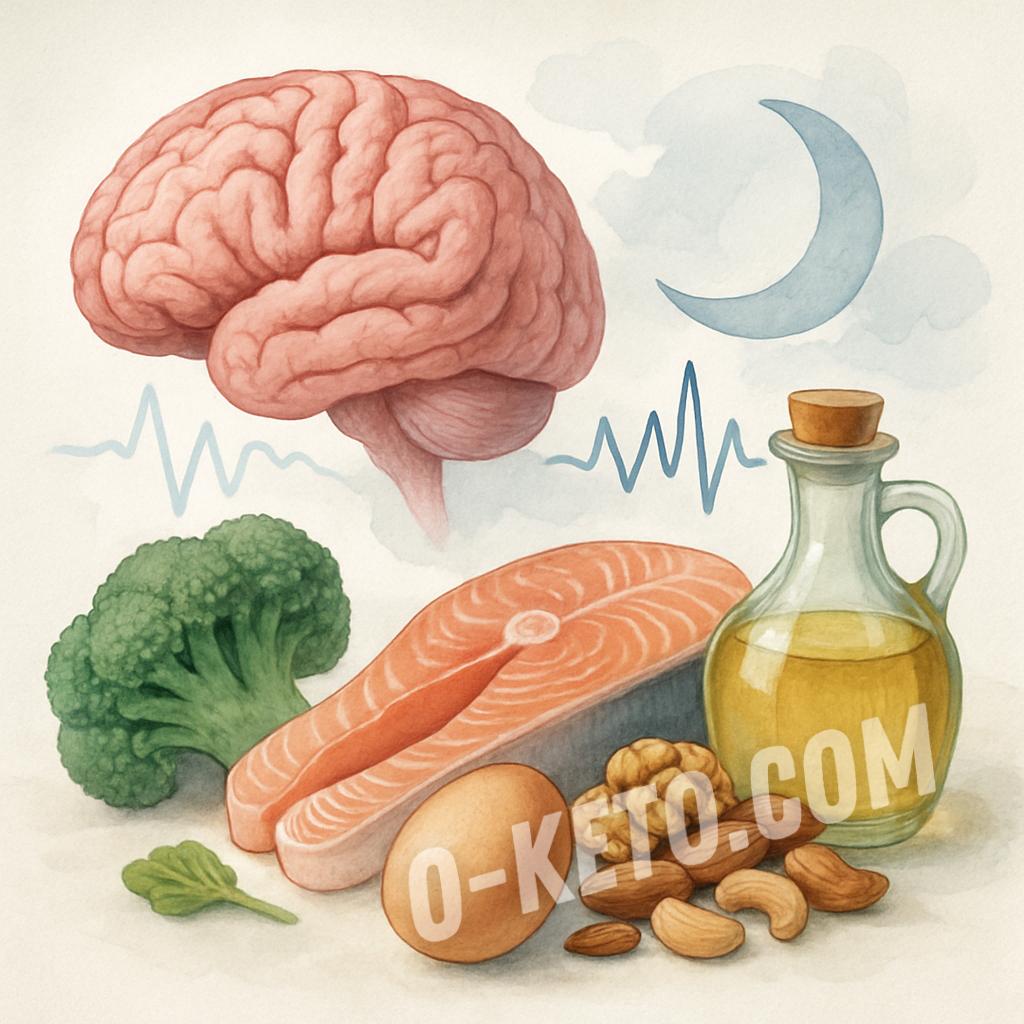
Periods of stress do not always mean a severe psychiatric or medical disorder, yet even without major pathology they can noticeably change sleep, appetite, resilience, focus, and the sense of internal tension. During such phases the body operates in a more resource-consuming mode: hunger and satiety cues may feel less stable, evening relaxation becomes harder, irritability rises, and ordinary daily tasks start demanding more recovery. For that reason, intense but time-limited stress is often viewed not only as a psychological experience, but also as a state in which routine, diet, and gentle nutritional support deserve more attention.
What usually counts as a stress period
This may include examinations, deadlines, difficult work months, moving, sleep disruption while caring for a child, emotionally tense family situations, recovery after illness, or any phase where the burden temporarily exceeds the person’s normal baseline. A key feature of such periods is that a person may still be “functioning” and may not have a formal diagnosis, yet already feels overloaded through poorer sleep, reduced concentration, more anxiety, and lower tolerance for everyday demands.
In that setting, cravings for calorie-dense food, irregular meals, reduced tolerance to fasting, unstable energy through the day, and the feeling that the nervous system never truly “switches off” are common. When this lasts for weeks, it starts affecting both behavior and recovery.
How stress changes the nervous system and metabolism
During sustained tension, the brain and peripheral nervous system spend more time processing signals of uncertainty and threat. A person may still be productive on the outside while internally feeling more activated, less able to shift into rest, and less emotionally steady. In practice, this may show up as inner restlessness, shallow sleep, faster exhaustion, and a lower sense of resilience.
The metabolic background changes as well. Some people start skipping meals and then compensating by overeating late in the day. Others lose appetite and begin running on caffeine, which further worsens stress tolerance. That is why stress periods should be assessed not only by emotional symptoms, but also by sleep, food rhythm, and recovery capacity.
Why inositol is discussed here
Inositol is often considered a gentle additional nutritional support option for periods without severe pathology, when the goal is not to treat a major psychiatric diagnosis but to ease tension and help the nervous system adapt more calmly to temporary overload. It is commonly discussed in relation to cellular signaling, stress sensitivity, and a more even subjective sense of well-being, especially when a person notices irritability, inner tightness, and difficulty relaxing in the evening.
At the same time, inositol should not be treated as a substitute for sleep, routine, or reducing chronic overload. It makes the most sense as part of a broader support plan when food rhythm is improved, chronic sleep deprivation is reduced, and the day becomes more predictable again. Under those conditions even modest doses may feel more useful and more realistic than trying to compensate for a highly stressful lifestyle with one supplement.
What is worth correcting in parallel
During stress periods, the basics matter especially strongly: adequate protein, regular meals, proper hydration, moderate caffeine, and at least minimal sleep hygiene. If the diet turns into random snacks and the evening ends with late screens and short sleep, the nervous system gets very little chance to recover. In that situation, even a well-chosen supplement tends to work less effectively than it could.
On low-carb and ketogenic eating, sufficient energy intake and electrolyte balance also become more important. When stress is combined with under-eating, low magnesium, low sodium, or an overly narrow menu, tension and fatigue often feel more intense. That is why it helps to look beyond a single molecule and assess the broader context of strain and recovery.
When more than stress should be considered
If severe panic symptoms, persistent insomnia, marked weight loss, major depression, strong glucose instability, obsessive symptoms, or other systemic complaints appear, the state should not be reduced to ordinary stress alone. Sometimes what looks like a temporary overload actually overlaps with anxiety disorders, deficiency-related states, thyroid problems, or other issues that need a more focused evaluation. Periods of stress do explain many everyday complaints, but they should not become a universal explanation when symptoms become severe or prolonged.
If you have any questions about the term "Periods of stress", you can ask them to AI. Please note, a low-cost OpenAI model is used. It may answer questions about disease treatment with errors!


 1 / 4
1 / 4 1 / 4
1 / 4 1 / 4
1 / 4