


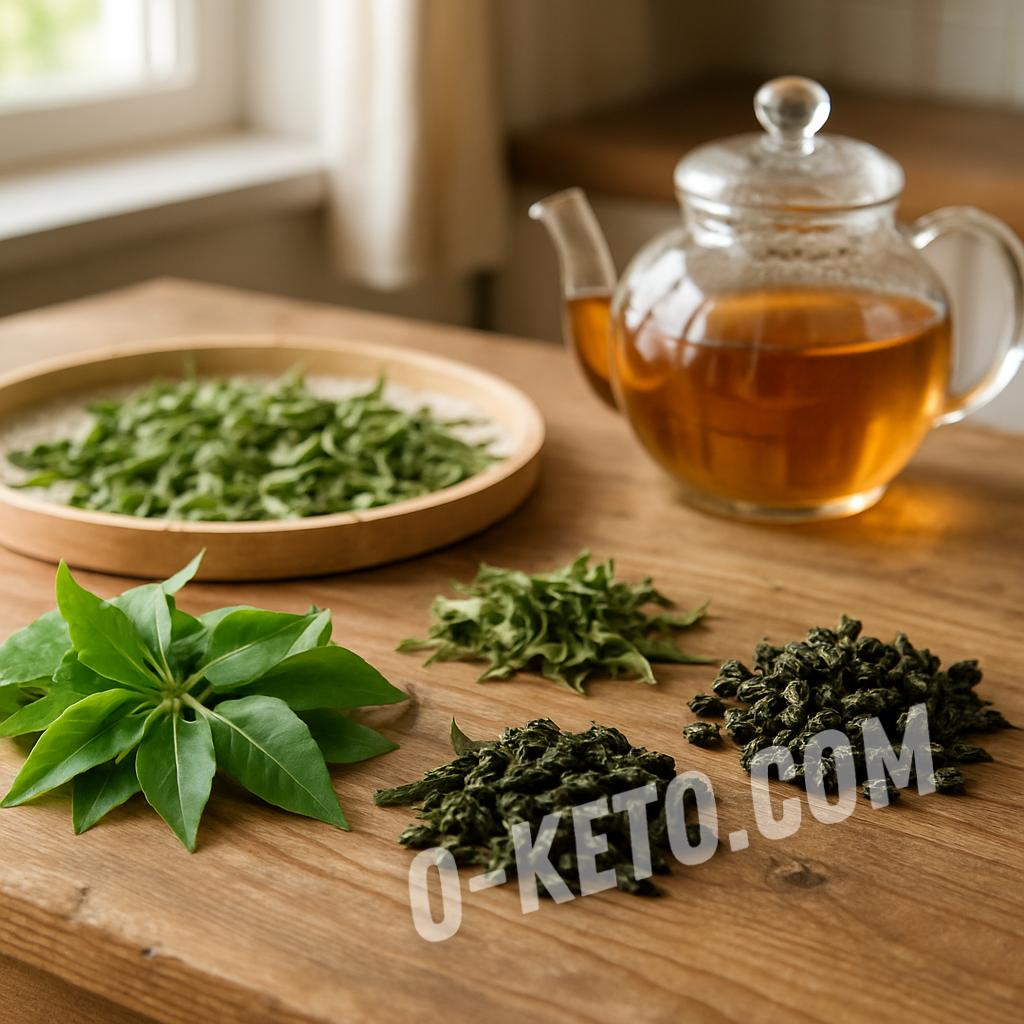

Fermented herbal tea tastes deeper than simply dried leaves. The infusion becomes darker, softer, and more aromatic, with fruity, berry-like, honeyed, floral, or spicy notes instead of a plain “dry grass” smell. But the word “fermentation” in tea-making can be confusing: in most cases, this is not brine fermentation, but enzymatic oxidation inside damaged leaves.
To make this kind of tea, herbs go through several stages: harvesting, wilting, rolling or bruising, warm moist resting, drying, and storage. If one stage is skipped, the tea may taste flat, grassy, moldy, or lose its aroma during drying.
What it means to ferment herbs for tea
In home tea preparation, fermentation usually means that the leaf is first wilted, then damaged by rolling or bruising, and then kept warm for several hours. Inside the leaf, juice, enzymes, and oxygen meet. This changes the color, aroma, and flavor.
This should be distinguished from lactic fermentation of vegetables. Herbal tea does not need brine, salt, vinegar, or long souring. It needs controlled leaf moisture, oxygen access inside damaged tissues, and timely drying.
| process | what happens | example |
| ordinary drying | water leaves the plant, aroma partly remains, the leaf stays grassy | mint, lemon balm, chamomile, thyme |
| tea-style herb fermentation | wilted and damaged leaves darken, aroma becomes deeper | fireweed, raspberry leaves, blackcurrant leaves, cherry leaves |
| brine fermentation | lactic acid bacteria work and acidity develops | cabbage, cucumbers, fermented vegetables |
Fermented herbal tea is therefore not automatically a probiotic drink. It is a culinary technique for developing aroma and softening the taste of leaves.
Which herbs and leaves are suitable
Not every herb ferments equally well. The best candidates are leaves with enough structure and juice. Very delicate aromatic herbs are often better dried without fermentation, because the process may reduce their volatile aroma.
For homemade fermented tea, these plants are often used:
| plant | how it behaves during fermentation | what to watch |
| fireweed | gives a classic dark herbal tea with fruity and honeyed notes | the leaf should be well wilted and thoroughly rolled |
| raspberry leaf | becomes softer in flavor and less harshly grassy | use clean young but already firm leaves |
| blackcurrant leaf | gives a bright berry-leaf aroma | avoid overheating during drying because aroma is easily lost |
| cherry leaf | can give almond-like and fruity tones | use carefully in blends because the flavor is strong |
| apple, pear, and strawberry leaves | give a mild garden aroma | often work better in blends than as the only base |
| mint and lemon balm | part of the fresh essential-oil aroma may disappear | often better dried separately and added to the finished tea |
Do not use unfamiliar plants, leaves from roadsides, chemically treated garden crops, moldy material, or herbs with questionable safety. Only plants that you can identify confidently and that are suitable for food use should go into tea.
Harvesting and preparing the leaves
The raw material determines half of the result. Fermentation cannot fix dirty, diseased, or overripe leaves. It only amplifies what is already in the plant: aroma, flavor, bitterness, roughness, or freshness.
Before starting, follow these rules:
- harvest leaves in dry weather, without rain or dew on them;
- choose clean leaves without spots, mold, insects, or disease signs;
- do not collect plants near roads, industrial areas, or treated fields;
- avoid washing leaves unless necessary, so you do not add excess water;
- if leaves had to be washed, dry them completely on a towel before wilting;
- sort the leaves immediately, removing hard stems, damaged pieces, and debris.
Excess water is one of the main enemies of home herb fermentation. A wet leaf does not ferment evenly; it steams, suffocates, and molds more easily.
Wilting: why the leaf should become soft
Wilting is not full drying. At this stage, the leaf loses part of its moisture, becomes soft and flexible, and rolls more easily. If you start rolling a fresh crunchy leaf, it breaks, and the juice is released poorly.
Useful wilting guidelines are:
| condition | how to do it | how to know it is enough |
| place | spread leaves in a thin layer in shade, away from direct sun | the leaf does not overheat or dry in patches |
| time | usually several hours, sometimes longer for firm leaves | the leaf is soft but not dry |
| layer thickness | 1–3 cm, with occasional turning | there are no wet matted spots |
| readiness | squeeze the leaf in your hand | it bends and wrinkles but does not crumble |
If the leaf is overdried during wilting, fermentation will be weak because little active juice remains inside. If it stays too wet, the mass can overheat, sour, or mold.
Rolling and bruising the leaves
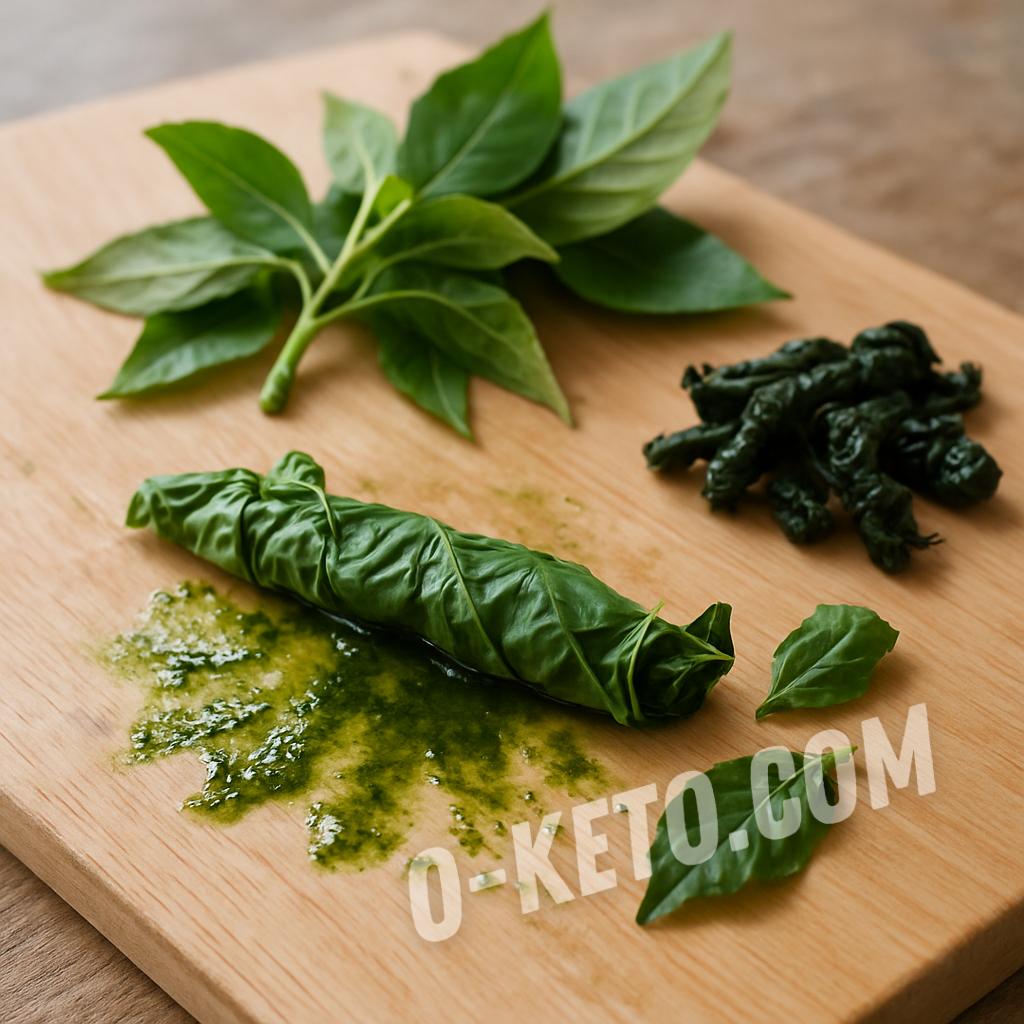
Rolling is the key stage. Its purpose is not only to make pretty tea leaves, but to damage the leaf cells. When tissues are crushed, juice comes out, enzymes meet oxygen, and the aroma begins to change.
At home, you can use several methods:
| method | how it works | when it is convenient |
| hand rolling | leaves are rubbed between the palms until they darken and become moist | for small batches and firm leaves |
| bruising in a bowl | the mass is kneaded by hand, like cabbage, but without salt | for raspberry, currant, and mixed garden leaves |
| rolling into bundles | leaves are gathered into tight rolls and pressed | when you want a larger-leaf tea |
| meat grinder | leaves are strongly damaged and granulated | for larger volumes, though the aroma can become rougher |
After proper rolling, the leaf darkens, feels moist, and smells stronger. If the aroma barely changes, the tissues were not damaged enough.
Fermentation: warmth, moisture, and time
After rolling, the leaves are placed in a container or a compact layer and kept warm. The mass should be moist but not wet. Enzymatic reactions continue inside, the aroma deepens, and the color darkens.
Practical guidelines are:
| parameter | guideline | why it matters |
| temperature | a warm room, without overheating | cold slows the process, heat can make the mass steam and spoil |
| layer | usually 3–7 cm | a thin layer dries quickly, a thick one overheats |
| moisture | cover with a damp cloth or loose lid, not airtight sealing | the leaves should not dry out on top |
| time | from several hours to a day, depending on the leaf | judge by aroma and color, not only by the clock |
Readiness is easiest to judge by aroma. At first the mass smells grassy. Then it develops a warmer fruity, berry-like, honeyed, or floral smell. If the smell becomes musty, sour, moldy, or unpleasant, the process has gone wrong.
How to know it is time to dry
The main mistake is assuming that longer is always better. Herbal tea has a window when the aroma has opened, but the mass has not yet begun to steam or spoil. If it is held too long, the taste may become heavy, sour, musty, or moldy.
Move to drying when several signs match:
- the leaf has darkened noticeably compared with the fresh leaf;
- the aroma has become more fruity, berry-like, honeyed, or floral;
- sharp grassy notes have softened;
- the mass remains moist but not wet or slimy;
- there is no smell of mold, rot, damp cellar, or sour spoilage.
If you are unsure, it is better to stop earlier. Under-fermented tea will be more grassy, but it is cleaner and safer than overheld wet plant material.
Drying: how to stop the process and keep aroma
Drying stops enzymatic reactions and makes the tea suitable for storage. The goal is to remove moisture quickly enough, but not burn off the aroma. Too much heat gives an overheated grass smell; too slow drying increases mold risk.
| method | how to use it | features |
| dehydrator | spread in a thin layer and dry at moderate temperature | the most stable home option |
| oven | dry with the door slightly open and temperature controlled | easy to overheat, needs attention |
| air drying | finish drying in a dry, ventilated place | works only when air humidity is low |
| combined method | start with gentle warmth, then finish in air | helps preserve aroma while reducing moisture |
Finished tea should be dry but not powdered. The leaf breaks, but does not feel moist inside. If the tea becomes soft again after cooling, it needs more drying.
Storage and flavor maturation
Right after drying, the tea may smell sharper and simpler than it will after a few weeks. During storage, the aroma evens out, harshness fades, and the flavor becomes calmer. This only works if the tea was dried properly.
Good storage conditions are:
- fully dry tea with no residual moisture;
- a glass jar, tin, or dense paper bag kept in a dry cupboard;
- a dark place away from direct sun;
- no nearby spices, coffee, or strongly aromatic foods;
- periodic checking during the first weeks for dampness or mustiness.
If the jar develops a damp or moldy smell, or the tea feels moist, do not drink it. A tea preparation should smell dry, clean, and pleasant.
Common mistakes
Most failures come not from “bad herbs”, but from incorrect moisture, temperature, or timing. The mistake usually shows which stage needs correction.
| problem | likely cause | what to change |
| tea smells like hay | the leaf dried but barely fermented | wilt better and roll more thoroughly |
| weak aroma | the raw material had little aroma or fermentation was too short | choose more aromatic leaves and watch for aroma development |
| the mass soured | too wet, too warm, or too long | reduce moisture, layer thickness, and fermentation time |
| mold appeared | wet raw material, weak ventilation, overholding | discard the batch and dry the next one faster |
| tea is bitter | unsuitable plant, old leaf, overheating during drying | collect younger leaves and dry more gently |
| overheated grass smell | drying temperature was too high | lower the temperature and dry in a thin layer |
Mold, mustiness, and unpleasant dampness are not problems to fix by “drying more and tasting”. Discard that batch.
Basic scheme for fermenting herbs for tea
If you need a simple reference, keep the process as a sequence. Time at each stage will vary depending on the plant, air humidity, and room temperature.
The basic chain is:
- collect clean edible leaves in dry weather;
- sort the raw material and remove damaged parts;
- spread the leaves in shade for wilting;
- wait until the leaf becomes soft and flexible;
- roll or bruise the leaves until juice appears and the color darkens;
- place the mass in a layer, cover it from drying, and keep warm;
- periodically check aroma, color, and condition;
- stop fermentation when the aroma becomes deep and pleasant;
- dry the tea to stable dryness;
- store it in a dry, dark container.
This scheme is a starting point. After a few batches, you will see which leaves in your kitchen need longer wilting, which develop aroma quickly, and which are better dried without fermentation.
Conclusion
Fermenting herbs for tea is a technique for controlling moisture, leaf damage, warmth, time, and drying. First the leaf is wilted, then rolled or bruised, then held until the aroma opens, and finally dried to stable dryness.
The main signs of a good batch are a clean fruity-herbal aroma, darkened leaves, and no dampness, mold, or mustiness. If the mass smells unpleasant, becomes slimy, molds, or sours, it should not be saved. In tea fermentation, it is better to stop a little early than to overhold wet plant material.
Sources
- Effect of withering/spreading on the physical and chemical properties of tea: A review
- Tea Harvesting and Processing Techniques and Its Effect on Phytochemical Profile and Final Quality of Black Tea: A Review
- Dissecting the role of microorganisms in tea production of different fermentation levels: a multifaceted review
- A Review of Withering in the Processing of Black Tea
- Bacterial Pathogens in Dried Herbs and Dried Teas — Canadian Food Inspection Agency


