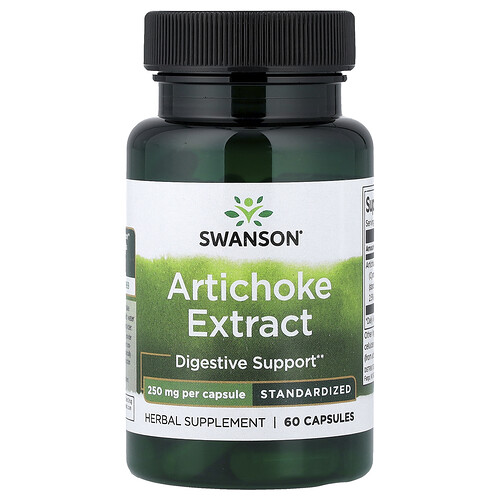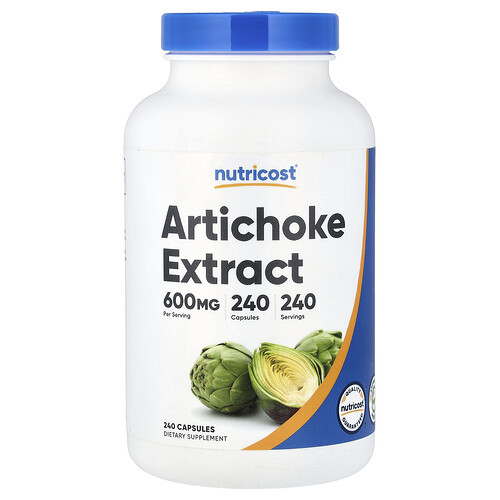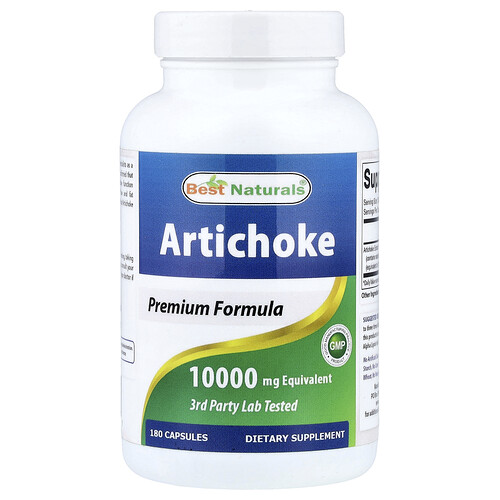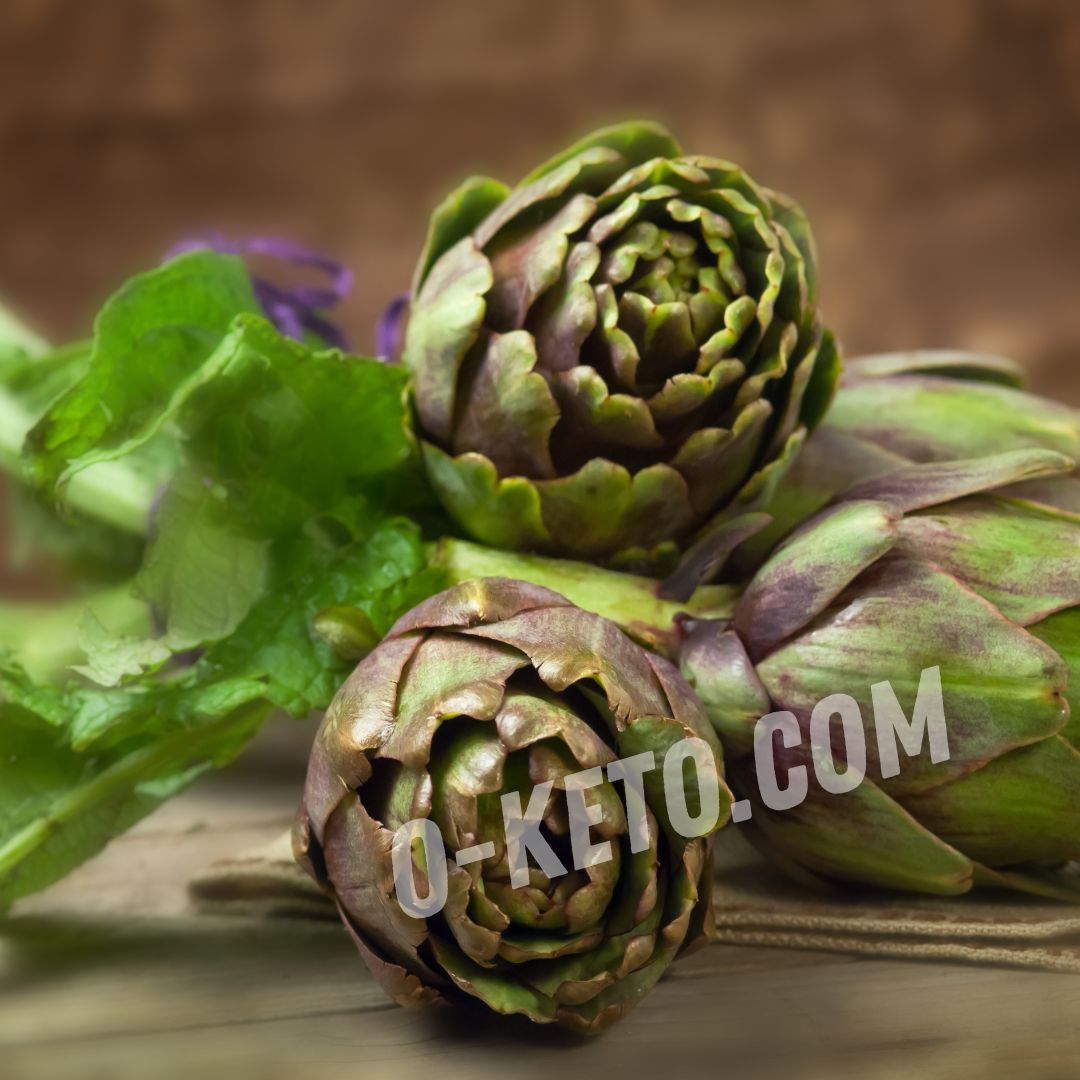

Artichoke is an edible flower bud with firm outer leaves, a tender heart, and a meaty base. In cooking, the heart and the soft part of the leaves are valued most: they can be boiled, steamed, roasted, grilled, and added to salads, sauces, omelets, meat dishes, and appetizers. The taste is mild, herbal, slightly nutty, and a little bitter.
For keto and LCHF, artichoke is interesting but needs portion counting. It contains a lot of fiber, so net carbohydrates are lower than total carbohydrates, but it is still not a leafy green. It is especially important to distinguish fresh or frozen artichoke from jarred marinated hearts, where oil, vinegar, salt, and additives can vary a lot.
Nutritional value
Per 100 g of cooked artichoke, values are often around 45-60 kcal, about 10-12 g of carbohydrates, 5-6 g of fiber, 3 g of protein, and almost no fat. One medium artichoke can provide about 14 g of total carbohydrates, but a large part comes from fiber. For keto, it is best to count by the label or by the database you use consistently.
Artichoke contains potassium, magnesium, folates, vitamin K, and bitter plant compounds that shape its flavor. On its own it is not very filling without fat, so on a low-carb plate it is usually paired with olive oil, butter, eggs, fish, meat, cheese, or sugar-free mayonnaise sauce.
Place in keto and LCHF
Artichoke can fit keto in a moderate portion, especially as an appetizer or part of a salad. Artichoke hearts with oil, herbs, and protein are usually easier to count than a large serving of pasta, pizza, or rice dish with artichokes. The whole composition matters more than the name of the dish.
On strict keto, be careful with marinated artichokes in sweet brine, ready-made antipasti, pizza, pasta, breading, and flour-thickened sauces. If the artichokes are canned, rinse and taste them separately: the brine can contain a lot of salt, acid, or sugar.
How to cook
Fresh artichoke needs preparation: remove tough outer leaves, trim the top, peel the stem, and rub cut surfaces with lemon so they darken less. Then boil, steam, or roast it until tender. The soft part of the leaves is scraped with the teeth, while the heart is eaten fully after removing the tough inner choke.
Hearts are convenient in quick dishes. Warm them in a pan with olive oil, garlic, and parsley, add them to an omelet, salad with tuna, chicken, or egg, or mix them with cheese and bake without breading. Artichoke pairs well with lemon, butter, parmesan, anchovies, capers, thyme, and black pepper.
How to choose
A fresh artichoke should be firm and heavy for its size, with closed leaves and a fresh green or purple tone. Dry open leaves, black wet spots, mold, and sour smell are bad signs. If the leaves squeak slightly when squeezed, that often suggests freshness.
Frozen hearts are convenient when the ingredient list contains only artichoke. With canned versions, check the composition: water, salt, vinegar, oil, and spices are clearer than sugar, starch, and undefined sauces. Artichokes in oil taste richer, but the calorie count is higher.
Storage
Fresh artichokes are best kept in the refrigerator and used within the next few days. Do not wash them in advance because extra moisture speeds spoilage. The cut stem can be lightly moistened, while the bud is kept in a bag with a little airflow.
Store cooked hearts in a closed container in the refrigerator. If they were packed in oil, use a clean spoon so crumbs and water do not get into the jar. If fermentation smell, mold, fizzing, or slimy texture appears, discard them.
Substitutes
By role in a dish, artichoke can be replaced with hearts of palm, asparagus, zucchini, mushrooms, eggplant, olives, or cauliflower. For salads, hearts of palm and asparagus are closest; for hot dishes, mushrooms, zucchini, and eggplant work well. The flavor will not be identical, so lemon, olive oil, garlic, and herbs help create a similar feel.