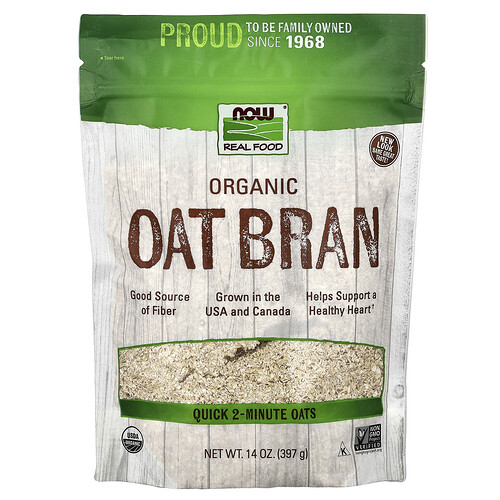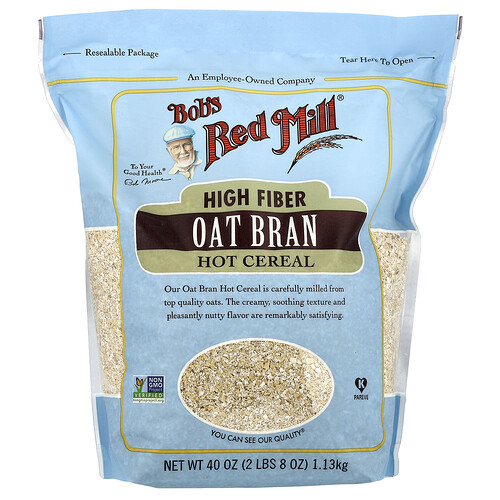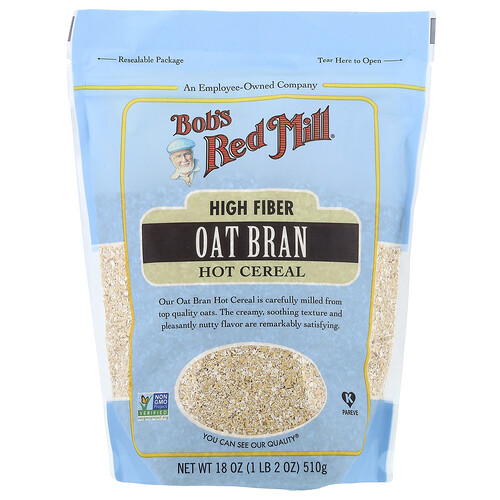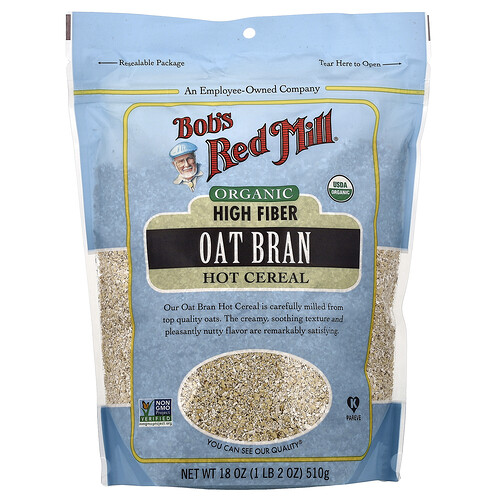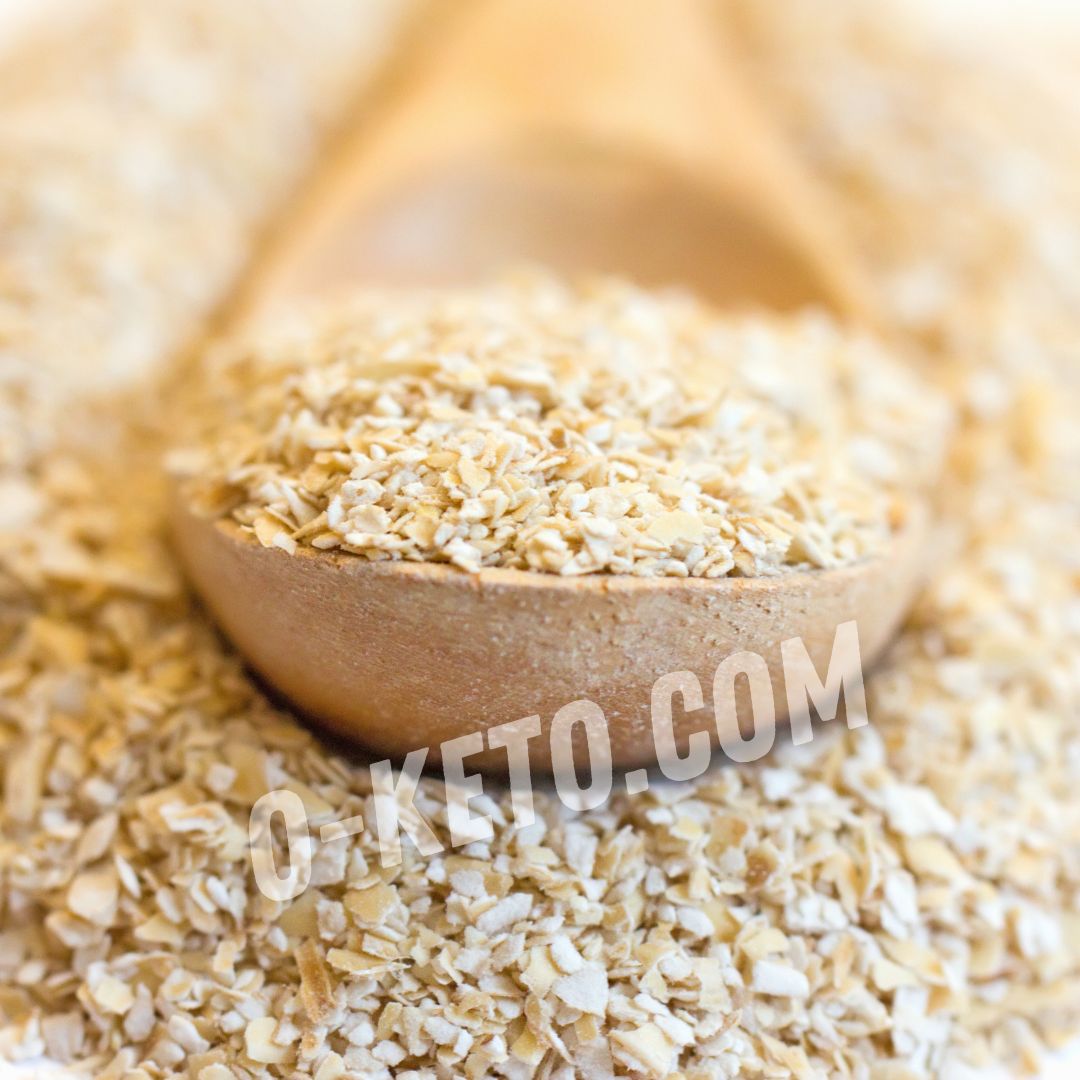

Oat bran is the outer layer of oat grain left after processing. It is not oat flakes and not oat flour: bran is coarser, richer in fiber, and absorbs water more strongly. It is added to porridges, crispbreads, savory baking, breading, minced meat, and fermented dairy dishes.
In low-carb eating, oat bran requires caution. It provides beta-glucans, some insoluble fiber, B vitamins, magnesium, iron, and zinc, but it remains a grain product with a noticeable carbohydrate amount. So it should not be automatically treated like flax bran or psyllium.
Nutritional value
In 100 g of oat bran, labels often show about 240–260 kcal, roughly 15–18 g protein, 6–8 g fat, and up to 60–66 g carbohydrates including fiber. The glycemic index is often listed around 49, but for keto, the real serving and digestible carbohydrate amount matter more.
Oat bran contains soluble fibers, especially beta-glucans. Because it swells, it thickens mixtures and gives density to porridge or dough. But if the portion is large, the carbohydrate load becomes noticeable even with a good fiber content.
Another important point is confusion with oat fiber. Oat fiber is usually an almost non-starchy fraction and can have very different carbohydrate numbers. Oat bran is closer to a grain product, so replacing one with the other without recalculation changes both texture and nutritional value.
Is it suitable for keto?
For strict keto, oat bran is usually inconvenient. A small teaspoon or tablespoon in a recipe may fit a more relaxed LCHF approach, but a bowl of bran porridge is already a grain dish, not a low-carb substitute. The product should be counted by its label because milling and composition differ.
If the goal is to keep carbohydrates very low, psyllium, flax bran, ground flax, chia, bamboo fiber, or oat fiber without the starchy part are more common choices. Wheat and rye bran are not automatically better for keto either: they are rougher in taste and also need carbohydrate tracking.
How to use it
Oat bran swells quickly, so liquid should be added gradually and the mixture left for 5–10 minutes. In porridge it gives thickness, in patties it helps hold moisture, and in crispbreads it makes the texture more grain-like. In sweet recipes, remember that bran itself does not give sweetness and often needs an aromatic base.
In keto recipes, it is better used as a small structural addition, not as the main dry ingredient. For example, a spoon of bran can give a more familiar grain note to flour-free cheese pancakes or savory fritters, but the base is better built on eggs, cottage cheese, cheese, psyllium, or nut flour.
If bran is added to minced meat, the mixture should not be made dense immediately. After a few minutes the fibers take up moisture and the mass thickens. In porridge, bran is better whisked in or added in a thin stream, otherwise lumps appear and are hard to break after swelling.
How to choose
Good oat bran smells like fresh grain, without dampness, mold, or bitterness. The ingredient list should be simple: only oat bran, without sugar, dried fruit, flakes, flavorings, or maltodextrin. If the product is called a porridge blend, check carefully for starchy additions.
Milling affects recipe behavior. Fine bran thickens faster and gives a smoother mass, while coarse bran is more noticeable in texture. Fine milling is convenient for porridge and dough; coarser bran can work for breading or crispbreads.
Limitations
Too much oat bran can cause bloating, heaviness, and discomfort, especially if fiber is increased sharply and water intake is low. People reacting to oats or gluten traces need a certified product or should avoid it. For strict carbohydrate control, weighing the portion is better.
For a first try, a small portion inside a dish is enough, not a separate bowl of porridge. This makes tolerance easier to assess and avoids an overly coarse texture. Medicines and supplements are better separated in time from a large fiber portion when such instructions exist.
How to store it
Oat bran is stored in a dry cool place, in a tightly closed jar or bag. It absorbs odors and moisture easily, so it should not be kept near spices, the stove, or open grains. If a musty smell, insects, or moisture lumps appear, the product is discarded.
What can replace it?
For low-carb cooking, psyllium, flax bran, ground flaxseed, chia, bamboo fiber, oat fiber without the starchy part, or coconut flour are more common. Replacement is not one-to-one: psyllium binds water more strongly, coconut flour dries the mixture, and flax gives a nutty taste.
How oat bran differs from flakes
Oat bran comes from the outer layers of the oat grain, so it is coarser than flakes and absorbs more water. A small amount can thicken porridge, meat mixtures or dough without adding much flour. Bran is not pure fibre, however: it still contains protein, starch and calories, so a keto portion should be based on the label and the weighed amount.
Because it binds water, bran is best introduced gradually and not eaten dry by the spoonful. In savoury baking it can be combined with eggs, cheese, meat or cultured dairy rather than treated as an automatic substitute for psyllium. This distinction matters when the gut is sensitive or bloating is common.