


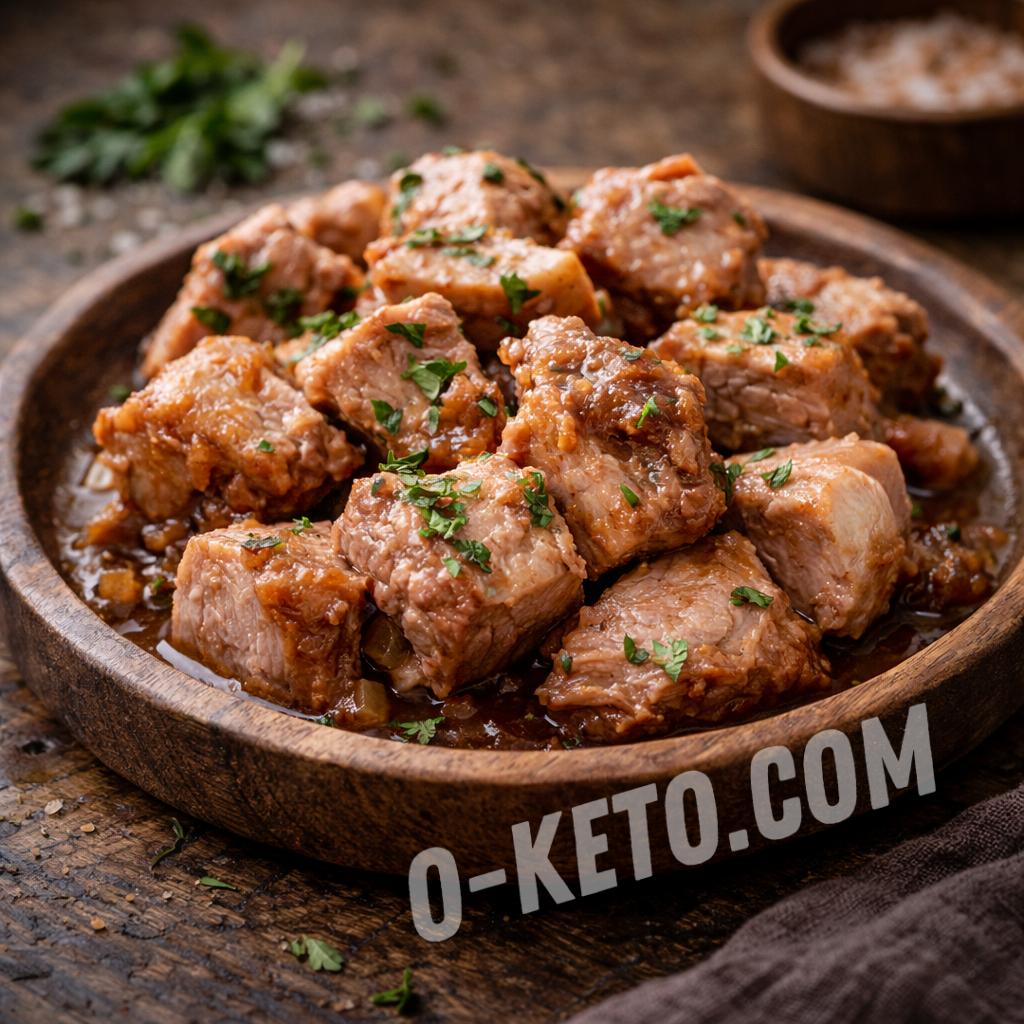

The udder — is a by-product obtained from the mammary glands of cattle, most often cows. Although this product is rarely found in modern mass cuisine, it was widely used in traditional kitchens of various countries in the past. Due to its soft texture and ability to absorb spices and sauces well, the udder was used for preparing stews, roasts, and various meat fillings.
In some regions of Europe and Asia, the udder was considered a full-fledged meat product and was used to prepare hearty homemade dishes. Today, interest in such products is gradually returning due to the development of gastronomy and the desire to use all parts of the animal without waste.
History of Udder Consumption
The use of udder as food has a centuries-old history. In rural areas of Europe and Asia, this by-product was considered a valuable source of nutrition, as almost all parts of the carcass were used after the animal was slaughtered.
Different countries have developed their own traditions for preparing udder:
- Russia and Eastern Europe: the udder was most often stewed or boiled, then fried with onions.
- Italy: offal was often added to thick stews and tomato sauces.
- France: udder was sometimes used in traditional cuisine along with other offal.
Nutritional Value
The udder contains protein, fats, and a number of vitamins and minerals. Its composition depends on the age of the animal and the method of preparation.
| calories | 220–260 kcal |
| protein | 18–20 g |
| fats | 16–18 g |
| carbohydrates | 1–2 g |
The udder also contains a number of beneficial trace elements:
- vitamin B12;
- vitamin A;
- iron;
- zinc;
- selenium.
The glycemic index of the udder is close to zero, as the product contains almost no carbohydrates.
Preparation and Cooking
Before cooking, the udder is usually thoroughly washed and boiled. This helps to remove excess fat and make the product’s texture softer.
Basic Preparation:
- The udder is thoroughly washed and cleaned.
- Boil in water for 1–2 hours until soft.
- Cool and cut into pieces.
Popular Cooking Methods:
- stewing with onions and vegetables;
- frying after pre-boiling;
- adding to meat stews;
- fillings for pies.
Consumption Features
The udder is a fairly fatty product, so it is usually consumed in small portions. It is best to combine it with vegetables or greens to balance the dish.
When properly prepared, the udder has a soft texture and a rich meaty flavor, making it an interesting ingredient for diversifying the diet.


