Alanine is a non-essential amino acid involved in the glucose-alanine cycle, muscle metabolism and glucose production from non-carbohydrate sources. In keto it matters as part of protein metabolism, not as a required standalone supplement.
Alanine — a non-essential amino acid that plays a role in protein synthesis, energy metabolism, and maintaining normal blood sugar levels.
It plays a key role in gluconeogenesis — the formation of glucose from non-carbohydrate sources, which is especially important in low-carbohydrate and keto diets.
Alanine also supports immune activity and antibody production.
Although the body can synthesize alanine on its own, its intake from food may be important under conditions of increased stress or when there is a deficiency of other amino acids.
Beneficial properties
participates in protein synthesis and maintenance of muscle mass;
provides energy support through gluconeogenesis;
stabilizes blood glucose levels;
supports the immune system through antibody synthesis;
affects carbohydrate and fat metabolism.
Daily requirement and sources of intake
The recommended daily dose of alanine is 1–2 g, and for athletes — up to 5–10 g.
The safe level is up to 150 mg per kg of body weight per day.
Sources of alanine:
meat: beef, chicken, turkey;
fish and seafood;
eggs and dairy products;
legumes and nuts.
Possible forms and their absorption
Nutrient forms are listed from best to worst:
L-alanine. The main biologically active form is involved in sugar metabolism, energy production, and immune function. It is well absorbed but is rarely used in supplements — the body synthesizes it itself, especially with adequate protein intake.
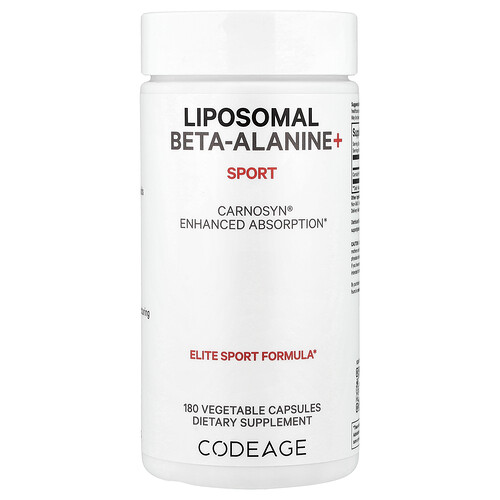
Beta-alanine. Does not participate in protein synthesis but increases carnosine levels in muscles, reducing acidosis and fatigue. Widely used in sports nutrition to enhance endurance and strength.
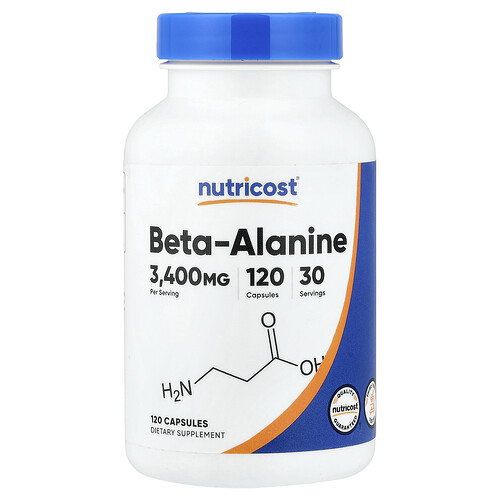
Nutricost, Beta-Alanine, 3,400 mg, 120 Capsules (850 mg per Capsule)
≈ $12.33
Buy
iHerb
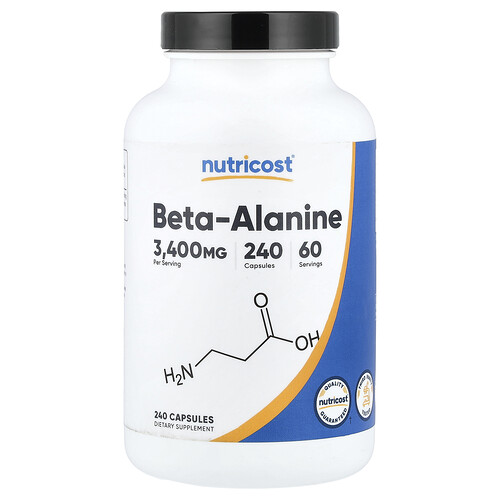
Nutricost, Beta-Alanine, 240 Capsules (850 mg per Capsule)
≈ $19.42
Buy
iHerb
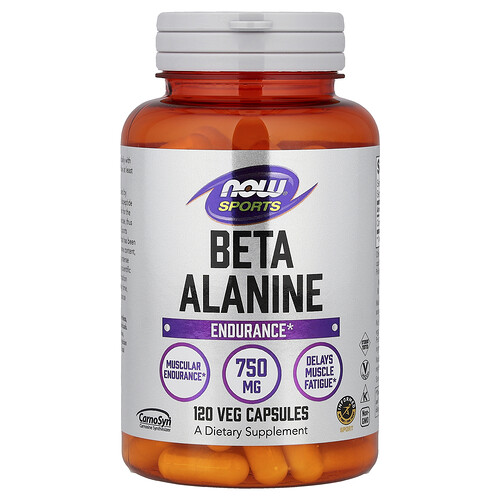
NOW Foods, Sports, Beta-Alanine, Endurance, 750 mg, 120 Veg Capsules
≈ $19.96
Buy
iHerb
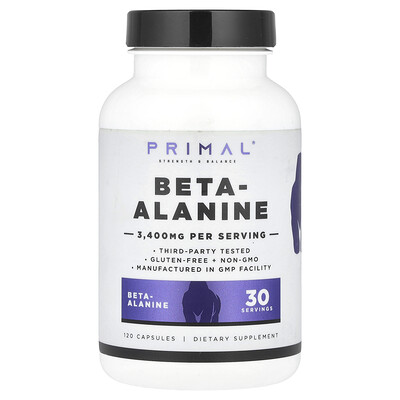
PrePrimal, Beta-Alanine, 120 Capsules (850 mg per Capsule)
≈ $10.48
Buy
iHerb
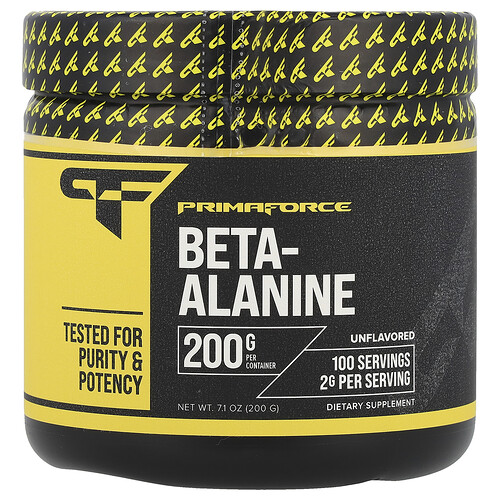
Primaforce, Beta-Alanine, Unflavored, 7.1 oz (200 g)
≈ $22.10
Buy
iHerb
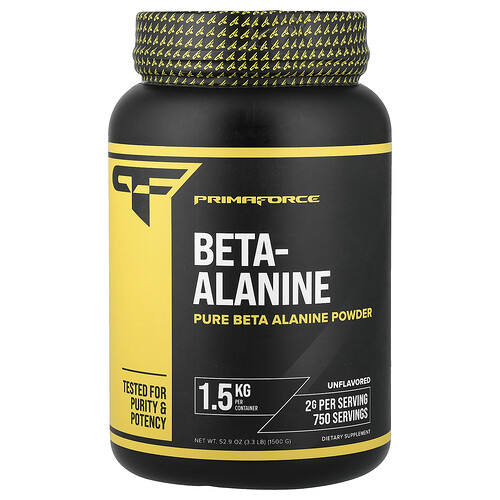
Primaforce, Beta-Alanine, Unflavored, 52.9 oz (1,500 g)
≈ $54.75
Buy
iHerb
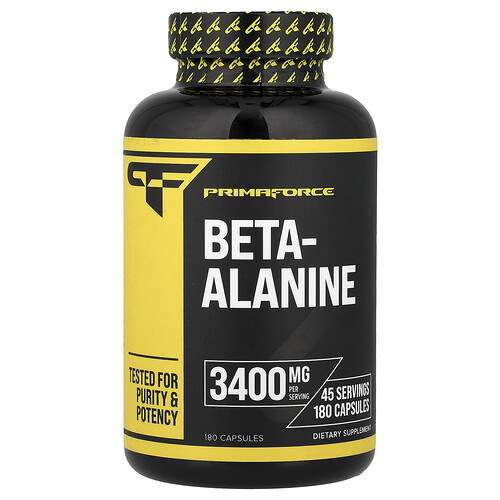
Primaforce, Beta-Alanine, 3,400 mg, 180 Capsules (850 mg per Capsule)
≈ $15.00
Buy
iHerb
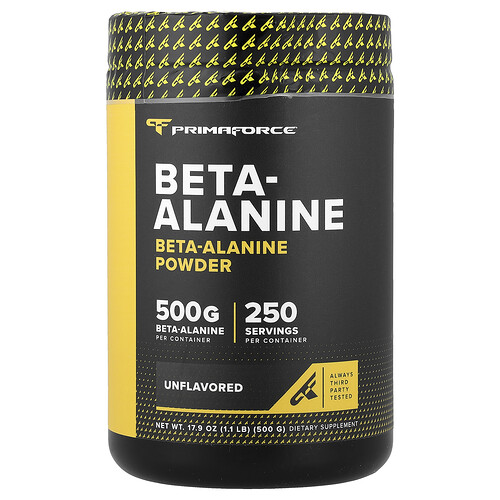
Primaforce, Beta-Alanine, Unflavored, 17.9 oz (500 g)
≈ $25.67
Buy
iHerb
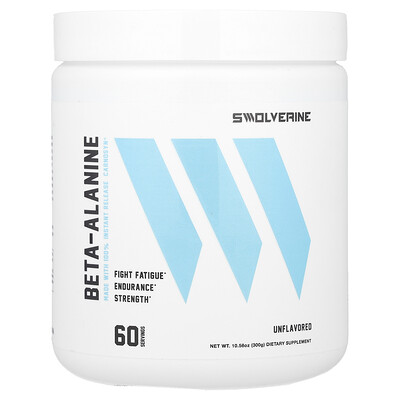
Swolverine, Beta-Alanine, Unflavored, 10.58 oz (300 g)
≈ $50.85
Buy
D-alanine. Inactive in humans, not involved in metabolism. Not used in supplements.
Symptoms and consequences of deficiency
fatigue, muscle weakness, decreased endurance;
hypoglycemia — dizziness, sweating, irritability;
weakened immunity and frequent infections;
deterioration of cognitive functions and concentration;
digestive disorders.
Alanine deficiency is rare and is usually associated with limited nutrition or physical exhaustion.
Possible risks of excess and their manifestations
increased strain on the liver and kidneys;
instability of blood sugar levels, possible fluctuations in glucose;
headaches, fatigue, irritability;
amino acid imbalance and metabolic disorders;
possible allergic reactions or dyspepsia when taking supplements.
Excess is most often possible with prolonged use of supplements without control or with excessive protein intake.
Practical meaning for keto and LCHF
On a low-carbohydrate diet, alanine is relevant because of the glucose-alanine cycle. Muscle tissue can transfer nitrogen to the liver as alanine, and the liver can use it for gluconeogenesis. This helps maintain blood glucose without constant carbohydrate intake.
This does not mean alanine must be supplemented. When the diet contains enough complete protein from meat, fish, eggs, poultry, cottage cheese or cheese, the body usually has enough amino acids to synthesize alanine and handle nitrogen metabolism.
When needs may increase
Protein and amino acid intake deserve more attention during hard training, recovery from illness, low-calorie dieting and loss of muscle mass. In these cases, total protein and meal distribution matter more than isolated alanine capsules.
Alanine supplements do not replace medical evaluation when there is marked weakness, weight loss, blood sugar instability or liver disease. Diet, lab markers, medications and overall metabolic health need to be considered together.
PubMed studies(9)
✓A comprehensive review of the physiology and evidence base to guide the use of ergogenic and medical supplements for enhanced cycling performance.2026 02 13 · Journal of the International Society of Sports Nutrition
✓UCI Sports Nutrition Project: Considerations and Applications for the Use of Sports Foods and Supplements to Improve Performance in Cycling.2026 12 31 · International journal of sport nutrition and exercise metabolism
✓Impact of leucine-rich diet on placenta's proteomic and metabolomic profiles of pregnant tumor-bearing rats.2026 05 14 · Cancer biology & therapy
✓Preclinical safety evaluation of the dipeptidyl peptidase 3 inhibiting antibody Procizumab in rodents and non-human primates.2026 05 21 · mAbs
✓CTDSPL2 facilitates resistance to paclitaxel in breast cancer cells by suppressing SCYL1 phosphorylation.2026 04 27 · Cell cycle (Georgetown, Tex.)
✓Synergistic engineering of monoterpenoid synthase and metabolic pathways to enhance α-terpineol production in .2026 04 10 · Synthetic and systems biotechnology
✓Targeted detection of amino acid profiles in pleural fluid and serum by liquid chromatography-tandem mass spectrometry for estimating the risks of four aetiologies of pleural effusion: a proof-of-concept study.2026 04 10 · Annals of medicine
✓An exploratory serum metabolomics study for screening and staging of breast cancer.2026 03 05 · Gynecological endocrinology : the official journal of the International Society of Gynecological Endocrinology
✓Examining the relationship between erectile dysfunction and the ZJU index in US adults: results from NHANES 2001-2004.2026 02 07 · The aging male : the official journal of the International Society for the Study of the Aging Male
Published: 24.05.2024
Updated: 01.06.2026
Any remaining questions? Ask chatGPT.:
If you have any questions about the nutrient "Alanine", you can ask them to AI. Please note, a low-cost OpenAI model is used. It may answer questions about disease treatment with errors!
Ask a question
List of videos from YouTube about nutrients "Alanine":