


Crohn’s disease
Crohn’s disease is a chronic inflammatory bowel disease that can impair absorption, protein status, body weight, and food tolerance well beyond ordinary digestive discomfort.
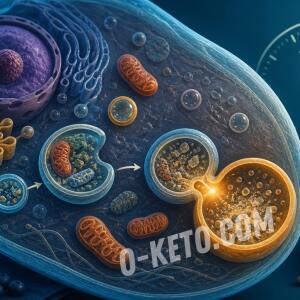


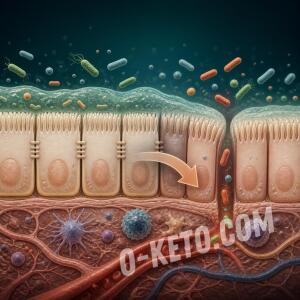
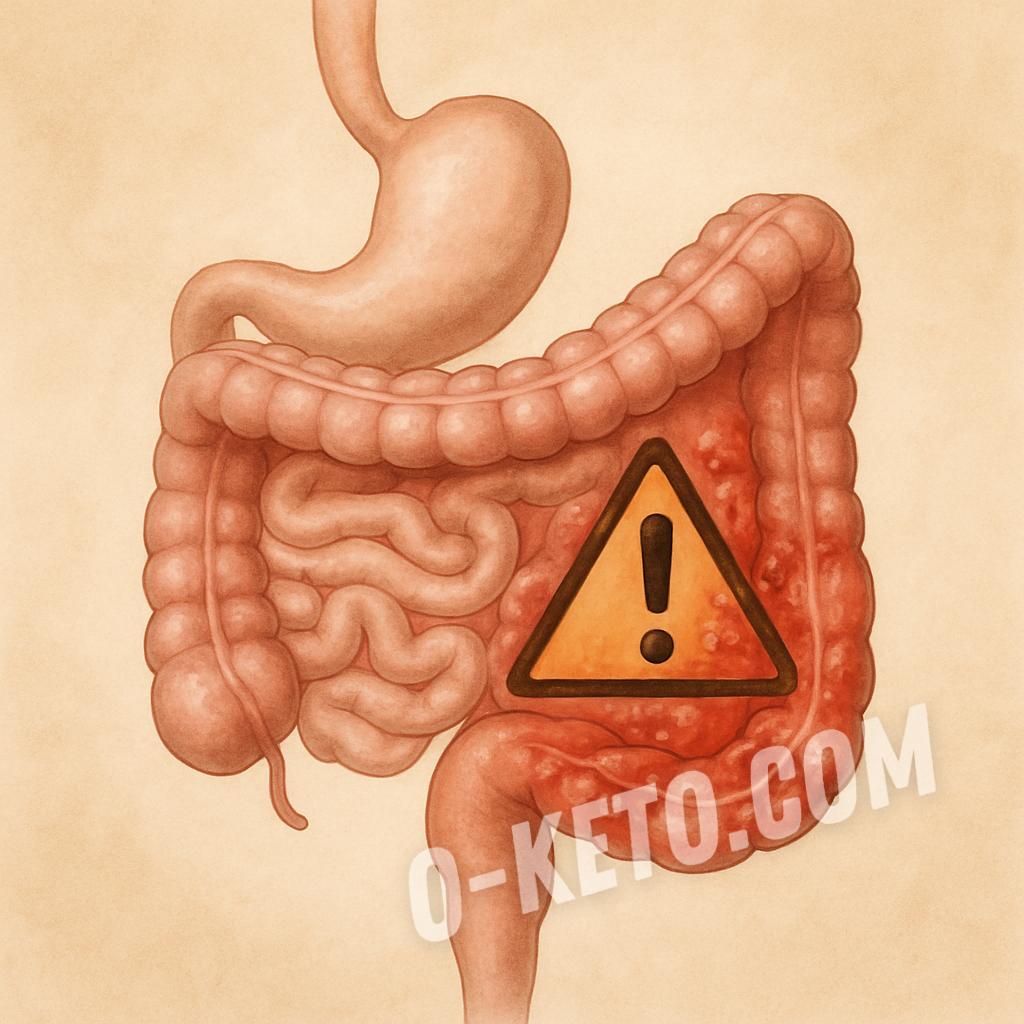
Crohn’s disease is a chronic inflammatory bowel disease that can affect different parts of the digestive tract, from the mouth to the end of the intestine. Unlike more superficial inflammatory states, the process in Crohn’s disease can extend deeper into the bowel wall rather than staying limited to the surface lining. That is why its significance goes far beyond abdominal pain or unstable stool. The disease can affect absorption, protein status, body weight, food tolerance, micronutrients, and overall recovery capacity.
What happens in Crohn’s disease
The picture varies widely from person to person. Some have pain, bloating, and irregular stools, while others present more with weight loss, anemia, protein depletion, severe fatigue, or complications such as strictures and fistulas. This variability is one reason early recognition can be difficult. A person may think the issue is only “sensitive digestion” or food intolerance while inflammatory activity is already affecting nutrition and metabolism much more deeply.
Longstanding inflammation increases the risk of malabsorption and deficiencies. Iron, vitamin B12, folate, vitamin D, magnesium, and protein status are often involved. When the small intestine is affected, nutrient absorption becomes especially important. That is why Crohn’s disease cannot be understood only through abdominal symptoms. Weakness, wasting, poor recovery, or unexplained weight loss may be the clearest signs that the disease is influencing the whole organism.
When closer control is needed
Warning signs include weight loss, blood in the stool, fever, nighttime symptoms, significant pain, recurrent anemia, falling albumin, and dehydration. Additional concern appears when eating triggers pain, partial obstruction-type symptoms develop, chronic diarrhea persists, or fatigue becomes severe even without dramatic bowel complaints. In such situations, the goal is not to search for a perfect “safe food” but to reassess disease activity and nutritional reserves.
During flares, harsh dietary experiments, rough fiber, erratic fasting and overeating cycles, and inadequate protein or calorie intake can all make the situation worse. At the same time, a severely restricted long-term diet can deepen deficiencies. The practical goal is not to remove every possible irritant at any cost, but to find a tolerable eating pattern that does not aggravate inflammation while still supporting nutrition.
Which tests help assess the state
Useful tests often include a complete blood count, ferritin, vitamin B12, folate, albumin, total protein, C-reactive protein, vitamin D, and stool calprotectin. Depending on disease location and severity, magnesium, zinc, and other deficiency markers may also matter. Calprotectin is especially helpful because it reflects intestinal inflammatory activity better than a simple feeling of “I seem a bit better today.” If symptoms improve slightly but calprotectin, CRP, or protein markers worsen, interpretation changes immediately.
Markers should be read together. Low albumin and low total protein suggest not only poor intake but also loss and systemic burden. Low ferritin and anemia in the context of bowel symptoms increase suspicion of chronic inflammation, blood loss, or poor absorption. That is why Crohn’s disease requires serial assessment across several lines rather than dependence on one “miracle test.”
Nutrition and lower-carbohydrate approaches
There is no universal diet for Crohn’s disease. During remission the food pattern may be broader, while active disease often requires temporary restriction of foods that mechanically or osmotically worsen symptoms. Lower-carbohydrate approaches may reduce some complaints in selected people, especially if the baseline diet was heavily loaded with sugar and ultra-processed foods. In practice, however, the label matters less than whether the plan preserves protein, calories, electrolytes, and tolerance without intensifying symptoms.
If keto or LCHF is used, it should never become a pattern of progressive narrowing, weight loss, and deeper nutritional depletion. In Crohn’s disease, tissue repair and protein support are more important than rigid loyalty to a perfect macro framework. Any such strategy must be flexible and matched to disease phase, disease location, and actual digestive capacity.
Why the diagnosis should not be oversimplified
A common mistake is to reduce Crohn’s disease to food elimination alone. The opposite mistake is to think only about medication while ignoring diet, deficiencies, and body composition. In reality, Crohn’s disease usually requires a systems approach: control of inflammation, recognition of complications, monitoring of nutritional status, and careful adaptation of diet. The most sensible view is to treat it as a chronic inflammatory disorder with major metabolic and nutritional consequences, where laboratory follow-up, clinical care, and everyday food strategy need to work together.
If you have any questions about the term "Crohn’s disease", you can ask them to AI. Please note, a low-cost OpenAI model is used. It may answer questions about disease treatment with errors!

 1 / 4
1 / 4
 1 / 4
1 / 4


 1 / 4
1 / 4 1 / 4
1 / 4


