


Intestinal bacteria
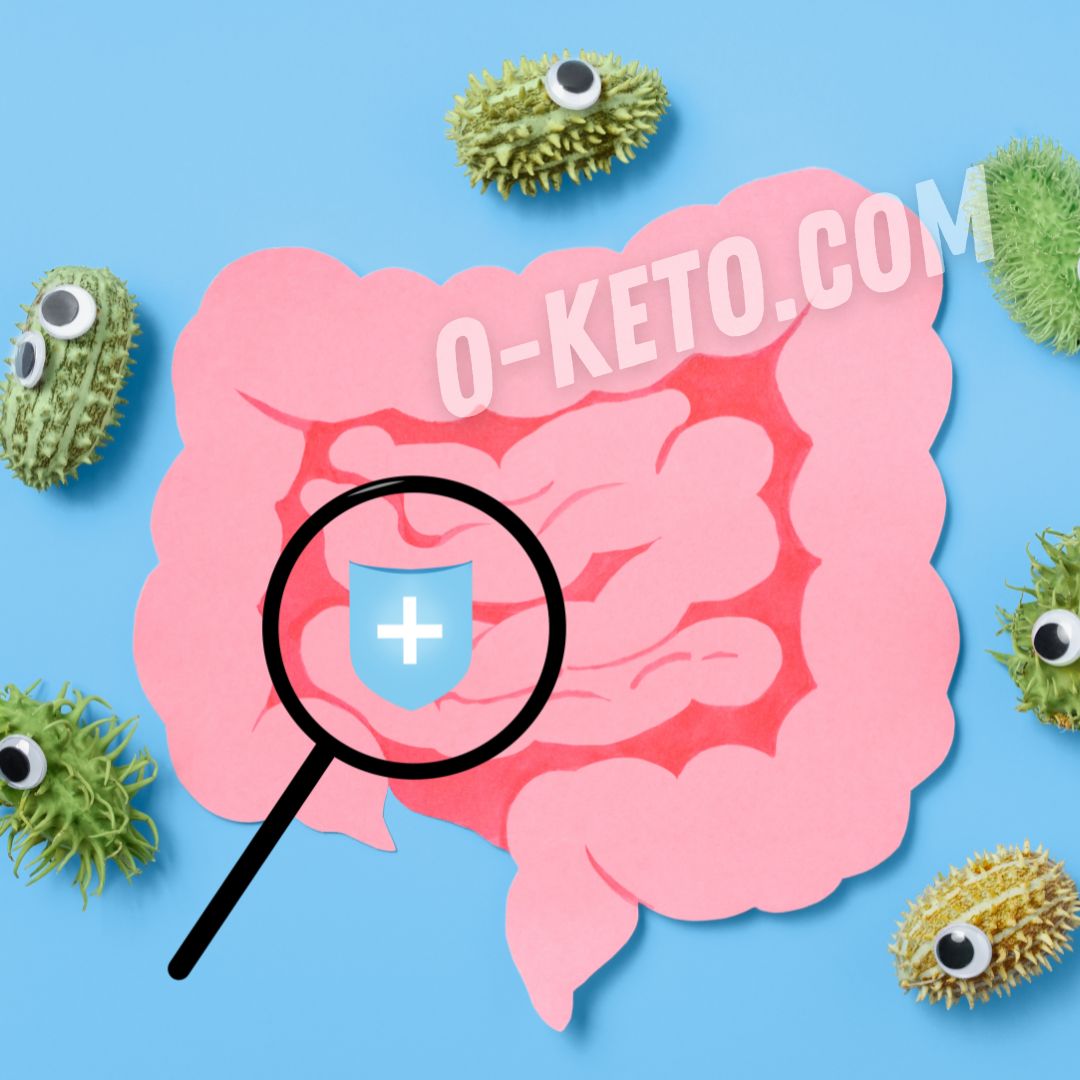
Intestinal bacteria play an important role in maintaining the health of our digestive tract. Changes in diet when transitioning to a keto diet can affect the balance between "good" and "bad" bacteria. When following a keto regimen, it is recommended to consume products that promote the growth of beneficial intestinal bacteria, such as: fiber-rich vegetables; sugar-free yogurts; fermented foods. This will help maintai…
Intestinal bacteria belongs to compounds that may influence inflammation, antioxidant systems, blood vessels, microbiota, enzymes, or cellular signaling. Effects depend on dose, form, and food context.
What It Is
Intestinal bacteria is a bioactive compound or group of compounds found in foods, plants, fermented products, animal foods, or produced by the body. It works more subtly than calories or macronutrients.
Such compounds often modulate biological pathways rather than act like medicines. Regularity and overall diet quality matter.
Where It Is Found
Possible sources include vegetables, herbs, berries, spices, tea, coffee, cocoa, olive oil, garlic, fermented foods, fish, or organ meats, depending on the compound.
Bioavailability can change with fat intake, cooking, chopping, fermentation, gut health, and microbiome composition.
How It May Work
Intestinal bacteria may support antioxidant defense, inflammatory balance, vascular function, insulin sensitivity, liver function, bile flow, or lipid metabolism.
Laboratory findings should not be translated directly into human effects. Real portions and concentrations are often much lower than experimental settings.
Food And Supplements
For most people, bioactive compounds are best obtained through varied whole foods: vegetables, herbs, spices, berries, quality fats, and fermented foods.
Supplements may be useful in selected cases, but caution is needed with pregnancy, liver or kidney disease, anticoagulants, hormone therapy, and medicines metabolized by the liver.
Practical Meaning
For keto and LCHF, intestinal bacteria is a reminder that diet is not only fat and carbohydrates. Low-carb vegetables, herbs, spices, olive oil, fish, and plant compounds still matter.
The practical takeaway is simple: treat Intestinal bacteria as part of a food matrix, not as a single magic ingredient.
If you have any questions about the term "Intestinal bacteria", you can ask them to AI. Please note, a low-cost OpenAI model is used. It may answer questions about disease treatment with errors!


