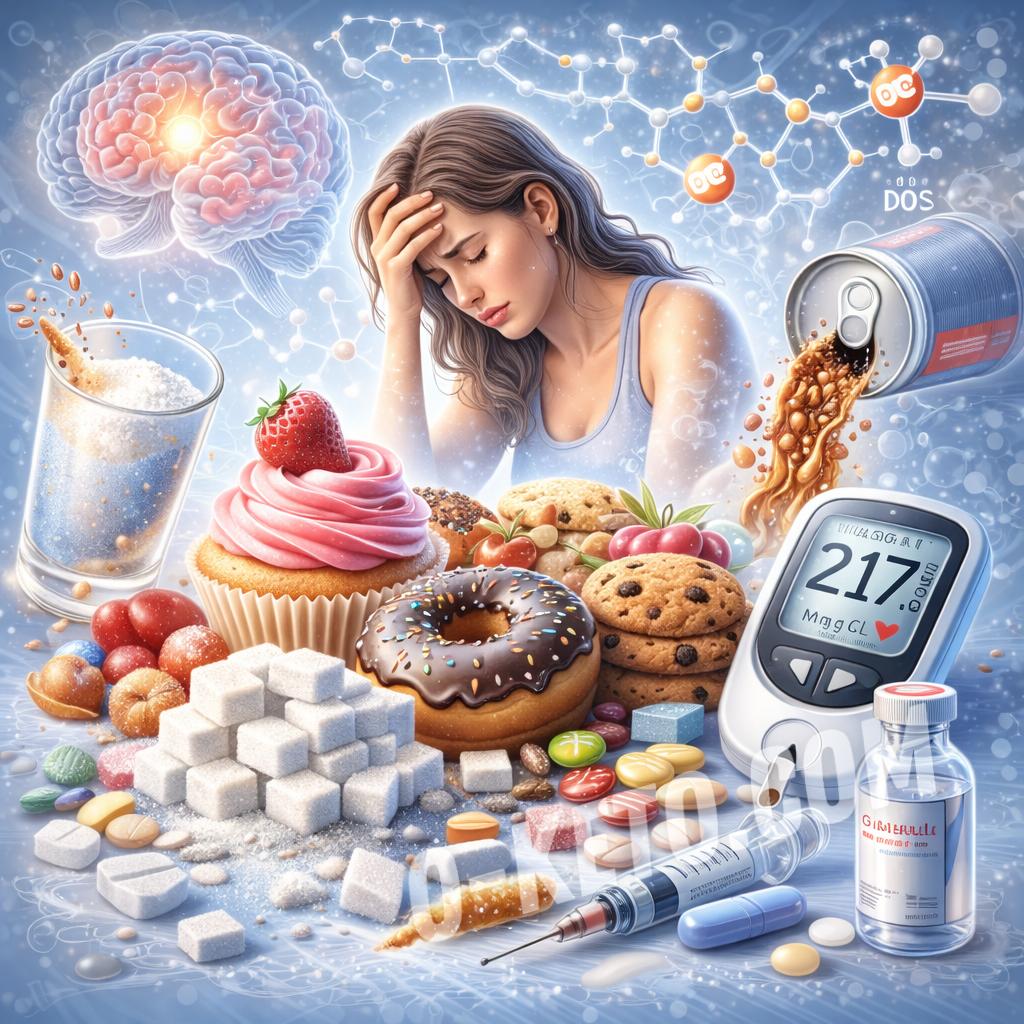
Sugar dependence is a functional and metabolic condition in which regular sugar consumption creates a persistent craving, disrupts appetite regulation, and affects the functioning of the nervous and endocrine systems.
In modern diets, sugar is present not only in sweets but also in sauces, convenience foods, and processed products, making the problem particularly widespread and often unrecognized.
Causes of Sugar Dependence
The development of sugar dependence is associated with a combination of neurochemical, hormonal, and behavioral factors:
stimulation of the dopamine reward system when consuming sugar;
Addressing sugar dependence requires a comprehensive approach:
gradual reduction of added sugar without sharp restrictions;
increasing the proportion of protein and healthy fats in the diet;
normalizing eating and sleeping patterns;
including regular physical activity;
working on stress and emotional overeating.
It is important to consider that abruptly quitting sugar may temporarily intensify symptoms, so changes should be gradual.
Conclusion
Sugar dependence is not a weakness of will but a result of biochemical and hormonal disruptions supported by modern dietary habits.
A conscious approach to diet, restoring metabolic balance, and forming sustainable habits can gradually reduce the craving for sweets and improve overall health.
Only verified information backed by research, physiology, and biochemistry about your health.
Why diseases occur, how to heal with proper nutrition, vitamins, and minerals, what therapeutic doses to take, and which diet is optimal for your health. What tests to take and how to interpret the results.
In the settings, you can also enable knowledge based on GNM and homeopathy.
We use cookies to ensure the best presentation of our website. If you continue to use the site, we will assume that you are satisfied with it.