


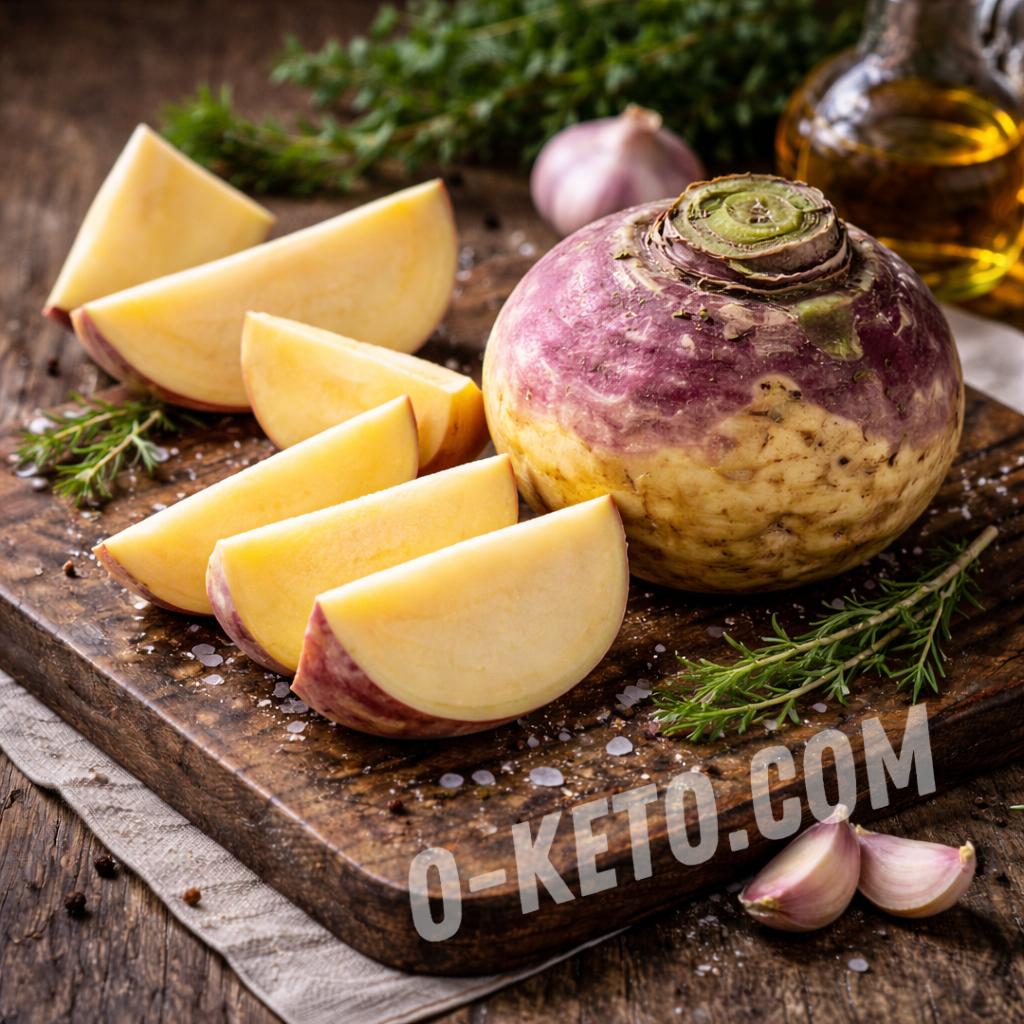

Swede — a root vegetable of the cabbage family, which has long been used in the cuisine of Northern and Eastern Europe. This vegetable is characterized by a dense texture, a mild sweet-spicy flavor, and is well-suited for baking, stewing, and making puree.
Swede contains vitamins, minerals, and dietary fiber. Due to its moderate calorie content and rich composition, it can be used as part of a varied diet.
Nutritional Value of Swede
Swede contains a small amount of protein and fat, while the majority of its energy comes from carbohydrates.
The average nutritional value per 100 g of raw product:
- calories — 35–40 kcal
- protein — 1–1.2 g
- fat — 0.1 g
- carbohydrates — 8–9 g
- fiber — about 2 g
The glycemic index of swede is classified as low or moderate, depending on the cooking method.
Vitamins and Minerals
Swede contains a range of vitamins and minerals that participate in various physiological processes in the body:
- vitamin C
- B vitamins
- potassium
- magnesium
- calcium
- phosphorus
Swede also contains plant compounds from the cruciferous family — glucosinolates.
Culinary Uses
Swede withstands heat treatment well and can be used in various types of dishes.
The most common cooking methods include:
- baking in pieces
- making puree
- adding to vegetable soups
- stewing with meat
- frying in slices
When baked, swede becomes softer and acquires a sweeter taste, making it a good side dish for meat dishes.
Pairings with Other Ingredients
Swede pairs well with the following ingredients:
Such combinations help enhance the flavor of the root vegetable and make dishes more flavorful.
Inclusion in Diet
Swede can be used as a vegetable side dish or as a component of complex dishes. Due to its dense structure, it is well-suited for stewing and prolonged heat treatment.
Incorporating swede into the diet allows for a diversification of vegetable menus and the use of less common root vegetables in everyday cooking.


