


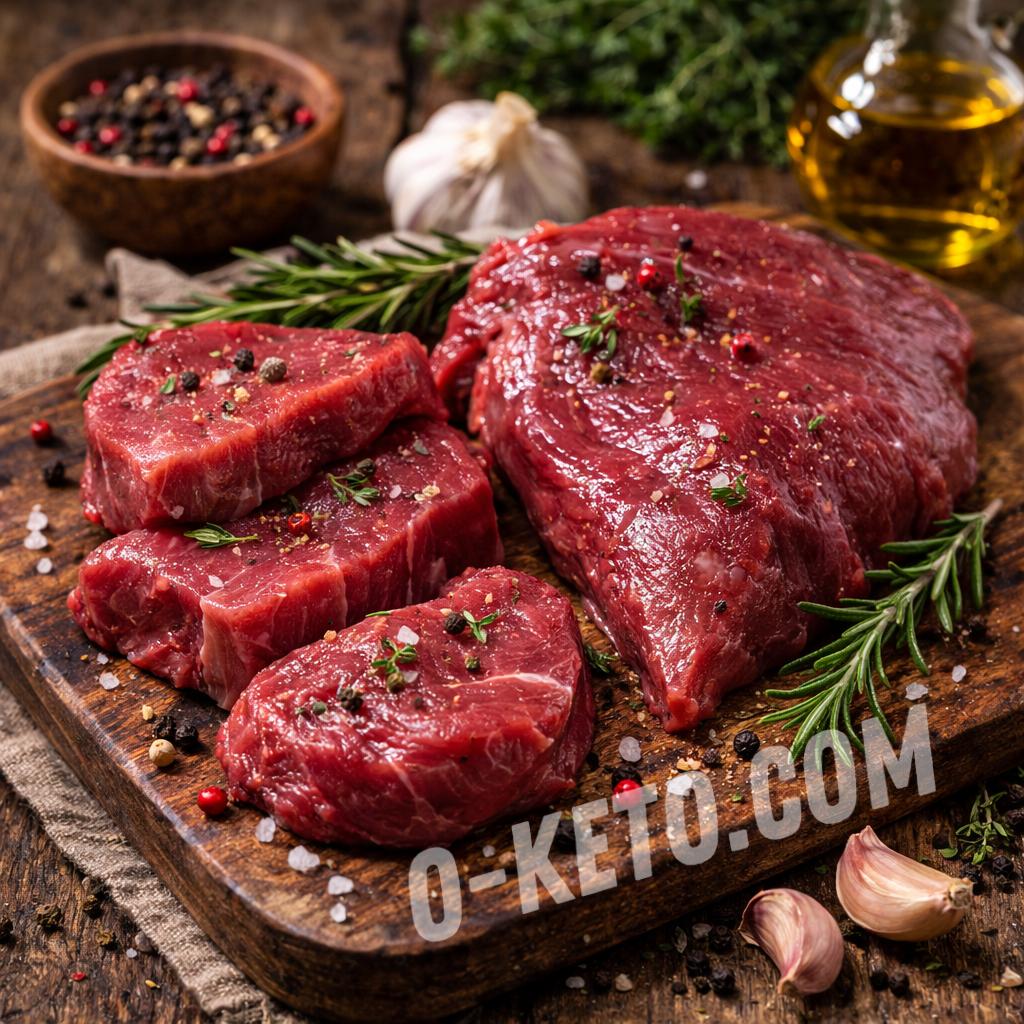

Horse meat — is the meat of a horse, which has long been used in the cuisines of many peoples of Eurasia. It is especially widespread in the countries of Central Asia, the Caucasus, and in some regions of Eastern Europe. Horse meat is distinguished by its rich flavor, dense texture, and high nutritional value. Due to its low fat content and high protein level, this meat is considered dietary and is often used in the diet of people who monitor their nutrition.
Unlike many other types of red meat, horse meat contains less saturated fat and more beneficial amino acids. It is easily absorbed by the body and can serve as a good source of energy and nutrients.
Nutritional Value
Horse meat contains a large amount of protein, relatively low fat, and a complete absence of carbohydrates. This makes it a suitable product for a varied diet and low-carbohydrate nutrition.
Horse meat also contains important vitamins and minerals:
The glycemic index of the meat is zero, as it contains no carbohydrates.
Health Benefits
Due to its composition, horse meat has a number of beneficial properties. It helps maintain muscle mass, provides the body with amino acids, and helps maintain normal energy levels.
Horse meat contains less cholesterol compared to some other types of red meat.
Cooking Horse Meat
Horse meat is used to prepare a variety of dishes. In traditional cuisines, it is boiled, stewed, fried, or baked. Horse meat is also used to make sausages, dried meat, and various meat snacks.
Popular cooking methods:
- stewing with vegetables;
- baking in the oven;
- grilling;
- drying and smoking.
Horse meat is often cooked slowly over low heat, which makes it tender and reveals its rich flavor.
Consumption Features
Horse meat pairs well with vegetables, herbs, and aromatic spices. Due to its dense structure, the meat is excellent for stewing and long cooking.
When choosing horse meat, it is important to pay attention to the freshness of the product and the quality of the meat.


