


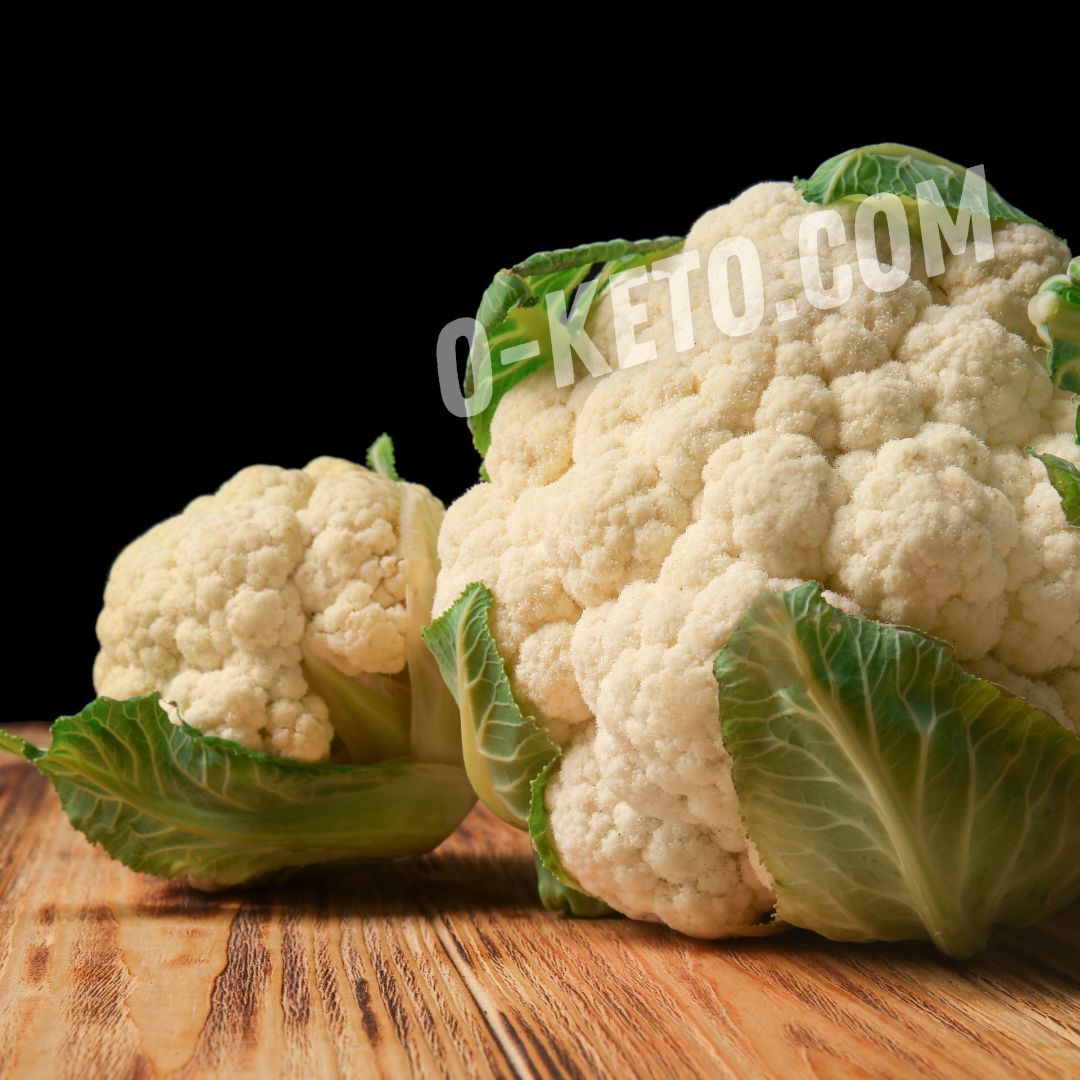

Cauliflower is a cruciferous vegetable with mild flavor, dense florets and a very flexible culinary role. It can be boiled, roasted, fried, steamed, turned into mash, rice, casserole bases and low-carb side dishes. This versatility has made cauliflower one of the main substitutes for grains, potatoes and part of the dough in keto cooking.
Fresh cauliflower tastes mild, slightly nutty and not very sweet. It takes butter, cream, cheese, spices, garlic, herbs and meat sauces well. Texture depends on cooking method: steamed cauliflower stays tender, roasted cauliflower becomes denser, and overcooked cauliflower quickly loses shape and develops a stronger smell.
Nutrition
Per 100 g of raw cauliflower, there are about 5 g of carbohydrates and around 2 g of fiber, or roughly 3 g of net carbohydrates. Calories are low, fat is almost absent and protein is modest. The glycemic index is low, and a normal serving rarely creates a noticeable glycemic load.
Cauliflower contains vitamin C, vitamin K, vitamin B6, folate, potassium, magnesium and phosphorus. These nutrients do not make it a vitamin pill, but it complements meals well when the diet contains plenty of protein and fat while vegetable volume is needed without starch.
Is It Keto-Friendly?
Cauliflower fits keto and LCHF very well. It helps build a large plate with a moderate amount of carbohydrates. It is used instead of mashed potatoes, rice, couscous, part of flour in pizza bases and thick soups.
It is important to remember that sauces and additions change the final dish. Cauliflower with cheese, cream and butter remains low-carb but becomes more calorie-dense. Cauliflower in breading, sweet sauce or a ready frozen mix may no longer suit strict keto.
How to Cook It
For mash, cook the florets until soft, then evaporate excess water well and blend with butter, cheese or cream. For “rice,” chop cauliflower into crumbs and fry quickly without covering the pan, so it does not turn into watery porridge.
Good options include:
- mash with butter, cream and hard cheese;
- cauliflower rice with egg, chicken or shrimp;
- roasted florets with olive oil, garlic and paprika;
- gratin with cream, cheese and nutmeg;
- cream soup with broth and fried mushrooms.
How to Choose and Store
Good cauliflower is firm, without dark wet spots or sour smell. Leaves around the head should look fresh, and florets should not be falling apart. A yellowish shade does not always mean spoilage, but slime and harsh odor are reasons to avoid it.
Store cauliflower in the refrigerator, dry and not tightly sealed. Cut florets are best used quickly. Frozen cauliflower is convenient for soups and mash, but for roasting it should be dried well first.
Limits and Substitutes
Cauliflower can cause bloating, especially in large servings or when fiber intake rises suddenly. With sensitive digestion, start with a small portion and cook it until soft. Thyroid conditions do not automatically require avoiding cruciferous vegetables, but individual restrictions should be discussed with a clinician.
Cauliflower can be replaced with broccoli, zucchini, kohlrabi, white cabbage, turnip or celery root depending on the recipe. For mash, celery root and cauliflower are closest; for rice, broccoli or finely chopped cabbage; for casseroles, zucchini and broccoli.
Serving and Frequency
For most keto dishes, 150-250 g of cooked cauliflower looks generous while staying moderate in carbohydrates. If the dish contains cream, cheese, butter or bacon, count more than the cauliflower: the additions often provide most of the calories.
Cauliflower is convenient to cook for several meals at once, but sauce is best stored separately. Without sauce, it reheats more easily and does not turn watery. Leftovers can become cream soup, mash or a quick skillet side dish.
When buying ready-made cauliflower “rice” or mash, check the ingredient list. Starch, flour, sweet sauces or breading are sometimes added. Plain frozen florets are usually simpler: the ingredients should contain only cauliflower, without sauce or seasonings with sugar.
Cauliflower smell becomes stronger with long boiling. For a milder taste, cook it quickly, avoid overcooking and pair it with butter, cheese, garlic, paprika, nutmeg or lemon zest. These additions make the vegetable more expressive without sugar or grains.


