


Tachycardia
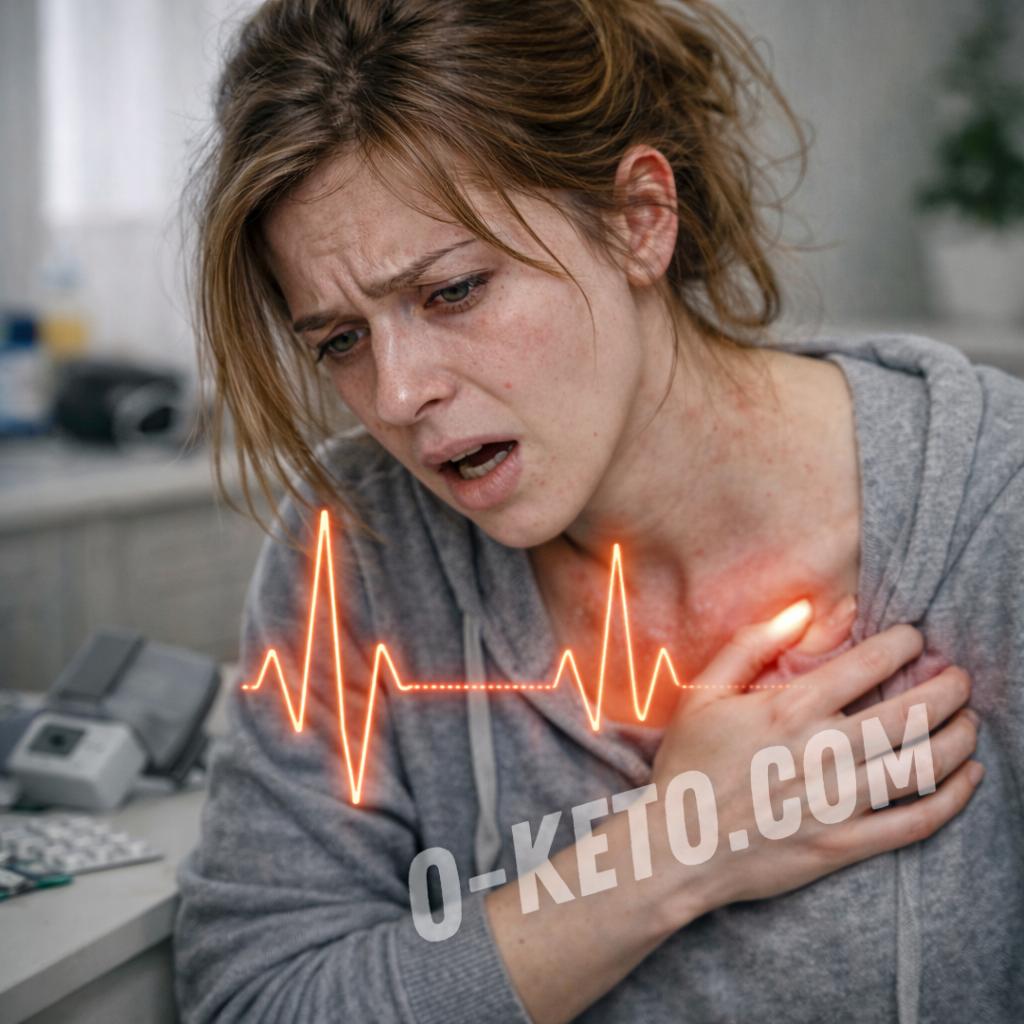
Tachycardia is a condition in which the resting heart rate typically exceeds 100 beats per minute in adults. It is not a standalone disease but a symptom that can arise from various conditions: a physiological response to physical exertion and stress, dehydration, fever, side effects of medications, as well as various diseases.
In medicine, physiological (sinus) tachycardia and pathological forms are distinguished, where the rate of rhythm may indicate problems with the heart’s electrical conductivity or hormonal background.
In the context of nutrition and the keto diet, it is important to understand how lifestyle and the balance of micronutrients affect the likelihood of this symptom and how to minimize the risk without compromising nutrition.
Key Mechanisms and Causes
At rest, the heart can beat faster for various reasons, and distinguishing between a safe response and alarming symptoms is important for making decisions about further examination. Below are the most common categories:
- Physiological causes: physical activity, stress and anxiety, fever and high temperature, dehydration and salt deficiency, excessive caffeine or stimulant intake.
- Pathological causes: anemia, hyperthyroidism, electrolyte imbalances (potassium, magnesium, sodium), infections or inflammatory processes in the body, certain medications and stimulant drugs.
Diagnosing tachycardia usually requires a doctor’s examination, pulse measurement, ECG, and sometimes blood tests and monitoring over a 24-hour period.
It is important to remember that a temporary increase in pulse can be a normal response of the body to stress or physical exertion, while frequent and persistent symptoms require discussion with a medical professional.
Symptoms and Warning Signs
If, in addition to an accelerated pulse, the following signs appear, especially in combination with chest pain, severe weakness, or fainting, immediate medical attention should be sought:
- damaged or noticeably accelerated heart rate at rest;
- dizziness, weakness, fainting;
- shortness of breath or difficulty breathing, especially with minimal exertion;
- chest pain or pressure;
- cold sweat, anxiety, or a feeling of suffocation.
In the context of nutrition, it is worth remembering that maintaining water and electrolyte balance can influence pulse rate but does not replace professional diagnosis.
Considerations for People on a Keto Diet
On a ketogenic diet, the body shifts to using ketones and fats as the primary energy source. During this period, changes in body water volume and a decrease in electrolyte reserves are often observed, which can contribute to the sensation of a racing heart.
Key points relevant to keto:
- increased water and salt excretion (especially in the first weeks of adaptation) can lead to deficiencies in sodium, potassium, and magnesium; deficiencies of these electrolytes are often accompanied by tachycardia or anxious feelings in the chest;
- the influence of caffeine and energy drinks can enhance nervous system stimulation and pulse;
- proper hydration and electrolyte balance are critically important at the start of the diet; sources of sodium and electrolytes are better chosen from foods and liquids;
- it is important to choose foods rich in potassium and magnesium that are compatible with the ketogenic concept: leafy greens, avocados, nuts and seeds, bone broths, green vegetables.
If tachycardia is accompanied by chest pain, a sudden deterioration in well-being, or altered consciousness, this is a signal for emergency assistance. In the context of keto nutrition, it is advisable to discuss a plan for maintaining electrolyte balance and monitoring heart rhythm with a doctor, especially in the presence of comorbidities.
Practical Recommendations
- ensure adequate hydration and electrolyte balance: add a little salt to food or water, consume broth, eat green vegetables and foods rich in magnesium and potassium;
- limit or eliminate excessive caffeine and alcohol intake, especially if there have been previous episodes of tachycardia;
- manage stress and maintain a sleep schedule; regular moderate physical activity helps adapt to the diet and stabilize rhythm;
- incorporate foods that provide electrolytes: avocados, spinach, nuts (in moderation), bone broths;
- keep a wellness diary: record pulse at rest, symptoms, and factors that provoke them.
If anxiety or increased pulse persists for several days or is accompanied by alarming symptoms, consult a doctor for an assessment of heart condition and hormonal background.
A nutritionist can help structure a nutrition and hydration plan to support heart health within the framework of a ketogenic or any other diet.
If you have any questions о термине "Tachycardia", you can ask them to our bot.
List of videos from YouTube by request "Tachycardia":


