


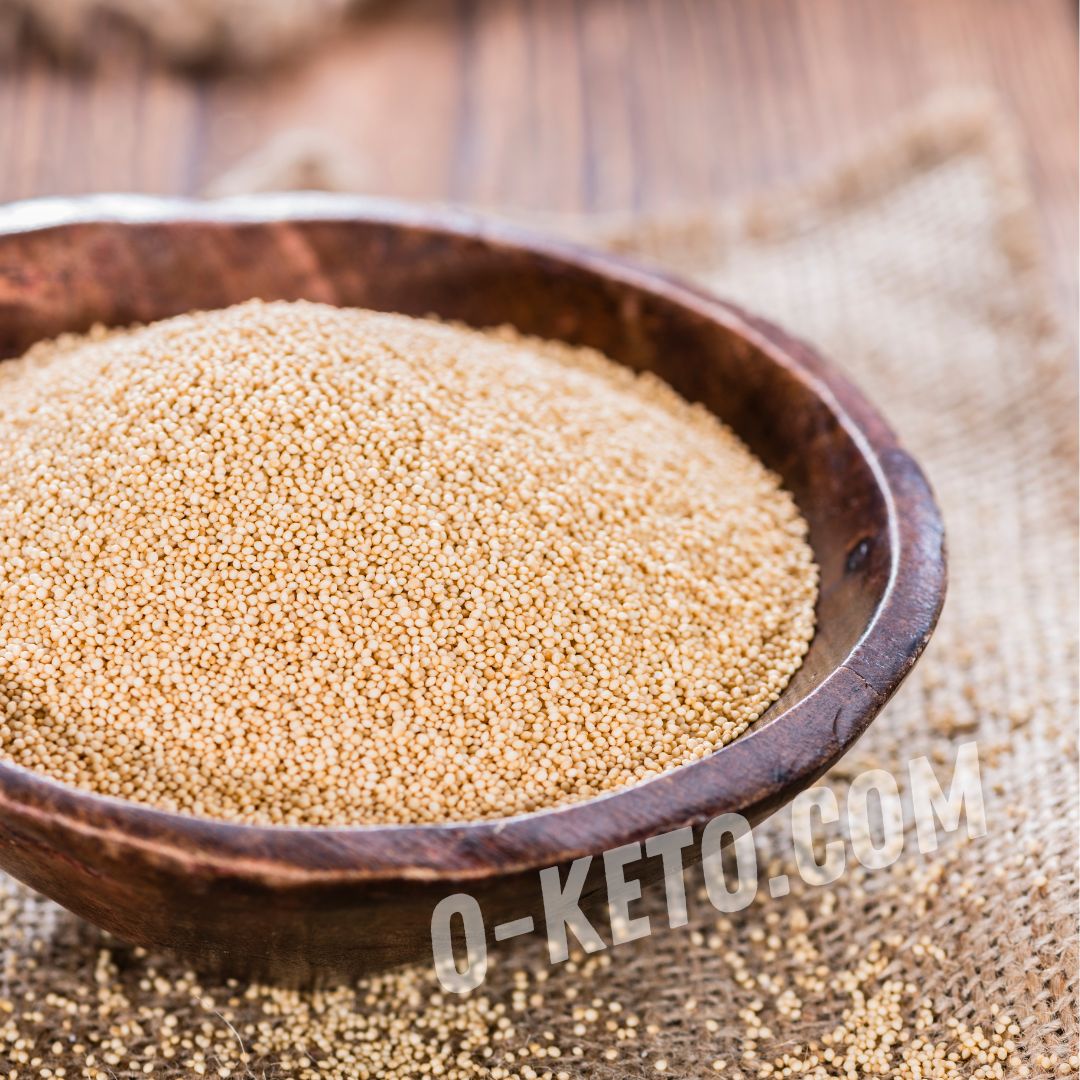

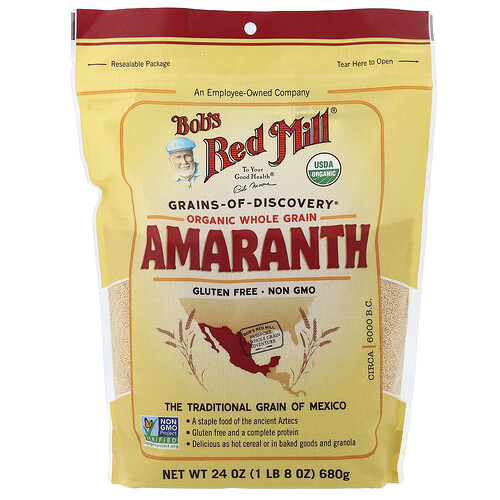
Amaranth is an ancient grain-like crop with tiny seeds and a light nutty flavor. It was grown in the Americas long before modern cooking, used as food and in rituals, and today it is sold as whole seeds, flour, flakes, puffed grains and sometimes oil. Botanically it is not wheat or rice, but on the plate amaranth behaves more like a starchy grain.
For keto, the main point is simple: amaranth is not a low-carb food. It may be interesting in a regular diet or gluten-free cooking, but dry seeds contain many carbohydrates. In strict keto, amaranth is usually not used as a side dish, porridge or baking flour.
Nutrition
Per 100 g of dry amaranth, values are often around 371 kcal, 13 g of protein, 7 g of fat and about 65 g of carbohydrates. After cooking, the dish weighs about 2.5-3 times more because of water, but the carbohydrates from the dry portion do not disappear. Count the dry product or the exact cooked portion.
Amaranth contains magnesium, iron, zinc, folate, vitamin B6, vitamin E and fiber. Its protein includes different amino acids and may be convenient in a plant-based diet, but that does not make it keto-friendly. By carbohydrate load, it is closer to grains than to greens or nuts.
Is Amaranth Keto-Friendly?
For strict keto, practically no. The glycemic index of amaranth is often listed as high, around 97, and the glycemic load of a serving can be noticeable. Even 20-30 g of dry product provides a meaningful amount of carbohydrates, especially if it is combined with berries, milk, honey, banana or flour.
In a looser LCHF approach, amaranth can only be a rare small exception if carbohydrates are counted in advance. It should not be used as a “low-carb porridge,” bread base or daily side dish.
How It Is Used
Amaranth is boiled as porridge, added to soups, mixed with other grains, ground into flour or puffed. When cooked, the seeds create a slightly gel-like texture, so the finished dish is sticky rather than fluffy. This is normal for amaranth and does not mean it is spoiled.
Uses outside strict keto include:
- a small addition to a grain mix when carbohydrates are counted first;
- flour in gluten-free baking, but not keto baking;
- thickening soup or porridge in a regular diet;
- puffed grains for crunch, with attention to sugar and syrups.
Seeds, Flour and Oil
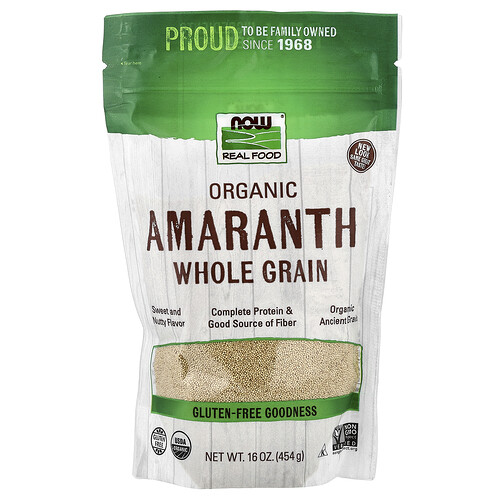
Amaranth seeds, flour and oil are different products. Seeds and flour carry the main carbohydrate load. Flour is especially easy to overuse because baking usually uses tens of grams, not teaspoons. Gluten-free does not mean low-carb.
Amaranth oil contains almost no carbohydrates, but it is no longer a grain or a protein source. It is used as a fatty ingredient in small amounts, usually in cold dishes. Conclusions about the carbohydrates in seeds should not be transferred to the oil, or the other way around.
How to Choose and Store
Dry amaranth should have no musty smell, insects, wet lumps or bitterness. Flour spoils faster than whole seeds because greater contact with air makes unpleasant odors appear sooner. Store it in a dry closed container, away from light and heat.
If amaranth tastes bitter or smells like old oil, do not use it. Puffed grains and ready mixes need special attention because sugar, syrups, dried fruit and starchy additions are common.
Substitutes
For a keto side dish, cauliflower, broccoli, zucchini, mushrooms, spinach, moderate green beans or salad leaves work better than amaranth. For baking, use almond flour, coconut flour, flax meal, psyllium or a tested mix of low-carb ingredients. The flavor is not identical, but the carbohydrate profile is much easier to manage.
Common Mistakes
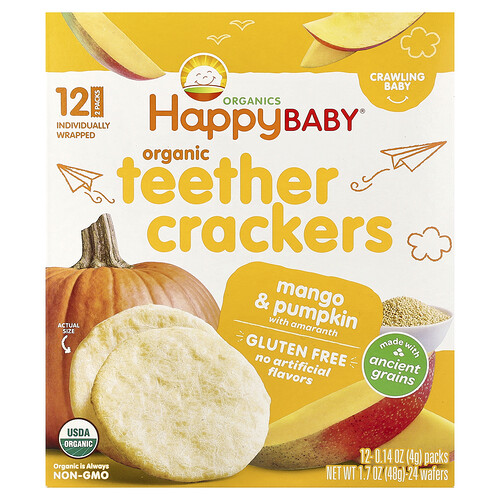
The first mistake is treating amaranth as keto just because it is ancient and gluten-free. The second is focusing on protein and minerals while forgetting the 65 g of carbohydrates per 100 g of dry product. The third is buying ready flakes or bars with amaranth: they often contain more sugar than amaranth. In a low-carb menu, this product needs a rare, small and counted portion.

Substitution options in recipes
Quinoa. The nutritional profile is similar (high protein and lysine). Quinoa contains saponins - rinse the grain until the water is clear, otherwise it will be bitter.


