


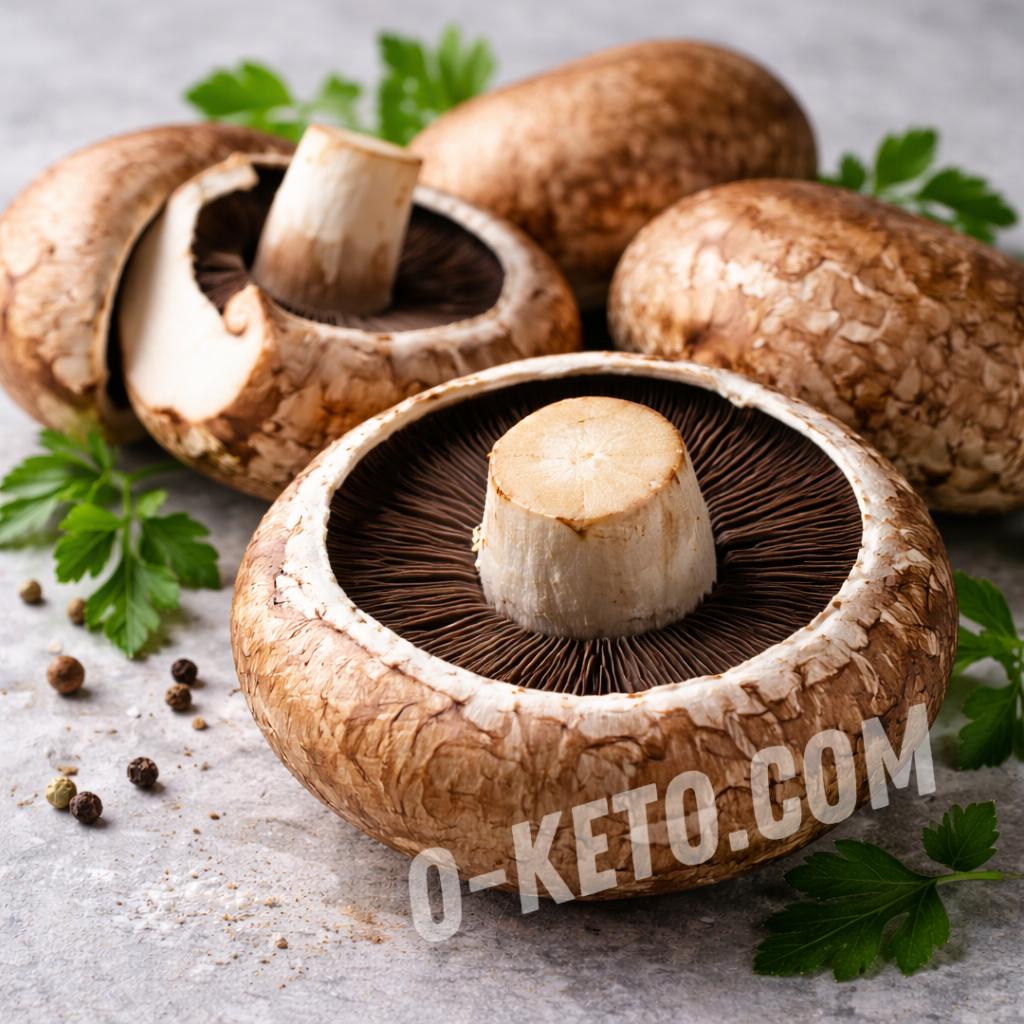

Portobello — is a mature form of champignon with a large cap and dense, meaty texture. Due to its rich flavor and versatility, it has become a popular ingredient in modern gastronomy, especially in plant-based and low-carb diets.
Its texture allows the mushroom to be used as a meat alternative in burgers, casseroles, and grilled dishes, making it sought after among vegetarians.
Portobello is valued not only for its culinary qualities but also for its favorable nutrient profile with minimal calories.
Description and Origin
Portobello — is a variety of the species Agaricus bisporus. It is the same species that includes white champignons and cremini, but portobello is a fully mature mushroom with an open cap measuring up to 10–15 cm in diameter.
The cultivation of champignons began in Europe in the 19th century, and the commercial promotion of portobello as a separate product developed in the USA in the second half of the 20th century. Its large size and pronounced flavor made it a standalone gastronomic product.
Nutritional Value
Portobello is classified as a low-calorie product with moderate protein content and minimal fat.
Average values per 100 g of fresh product:
- calories — about 22 kcal;
- protein — 2–3 g;
- fat — less than 0.5 g;
- carbohydrates — 3–4 g;
- fiber — about 1 g.
The glycemic index is extremely low, and the glycemic load is minimal, making the mushroom safe for glucose control.
- B vitamins — riboflavin, niacin, pantothenic acid;
- vitamin D when exposed to ultraviolet light;
- selenium;
- potassium;
- copper and phosphorus.
Selenium participates in antioxidant protection, while B vitamins support energy metabolism.
Portobello in the Keto Diet
Due to its low carbohydrate content, portobello fits well into a keto diet:
- low carbohydrate load;
- support for electrolyte balance due to potassium;
- increased feeling of fullness;
- ability to replace bread and buns in burgers.
It adds volume and texture to dishes without significantly affecting insulin levels.
Cooking recommendations:
- baking with olive oil and herbs;
- grilling as an alternative to meat patties;
- stuffing with meat, cheese, or vegetables;
- adding to omelets and salads.
The optimal portion is 100–200 g depending on the overall meal plan. Cooking improves absorption and enhances flavor.
Portobello combines gastronomic richness and low calorie content, making it a functional product for diversifying the diet and maintaining metabolic balance.


