


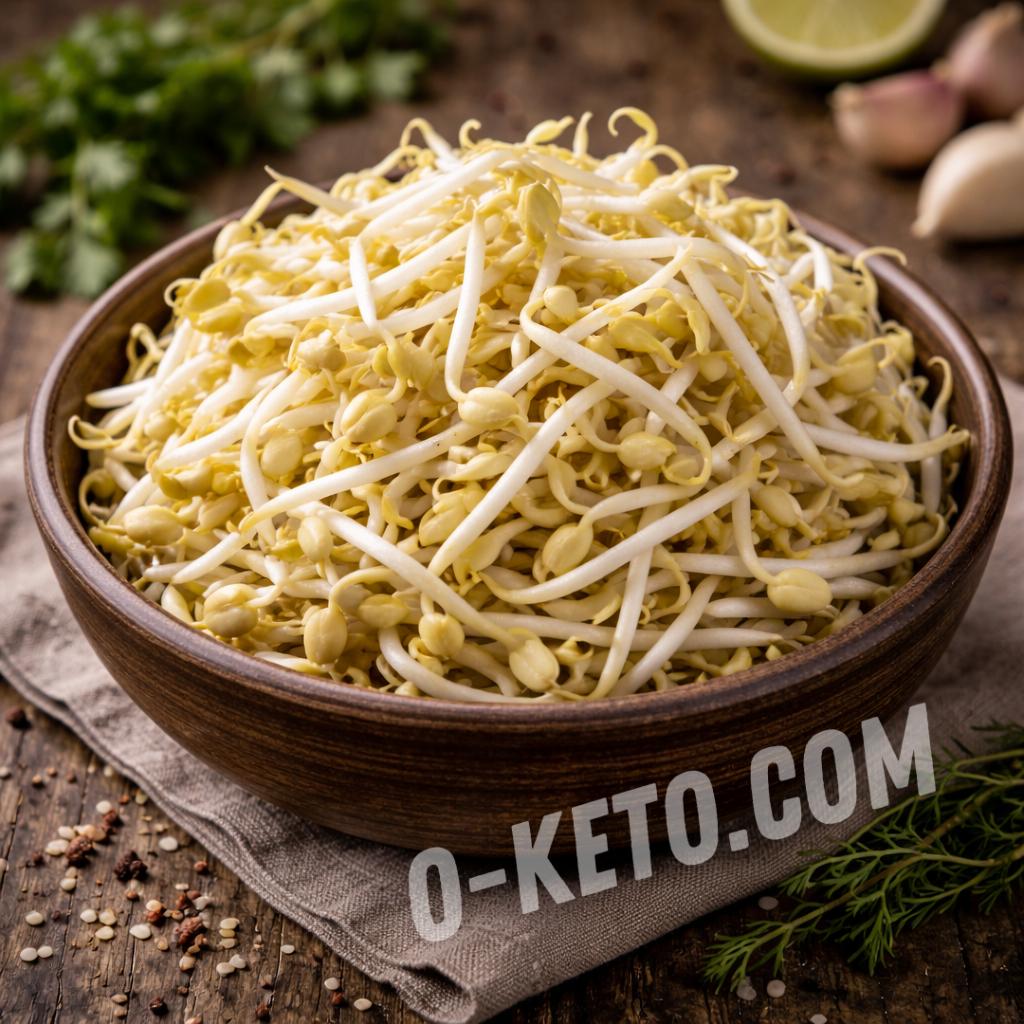

Soy sprouts — these are young shoots of soybeans that are widely used in Asian cuisine. They are characterized by a crunchy texture, a mild nutty flavor, and are well-suited for salads, soups, side dishes, and quick stir-fries.
During germination, enzymes are activated in the seeds, which changes the composition of nutrients. The sprouts become easier to digest and acquire a fresh taste that pairs well with vegetables, meat, and various sauces.
Nutritional Value of Soy Sprouts
Soy sprouts contain water, plant protein, and a small amount of carbohydrates.
The average nutritional value per 100 g of the product:
- calories — 30–40 kcal
- protein — 3–5 g
- fat — about 0.5 g
- carbohydrates — 5–6 g
- fiber — about 1.5–2 g
The majority of the mass of the sprouts consists of water, which is why they have low calorie content.
Vitamins and Micronutrients
Soy sprouts contain various vitamins and minerals that are involved in the body’s metabolic processes:
- vitamin C
- B vitamins
- potassium
- magnesium
- iron
- phosphorus
Plant compounds characteristic of soybeans are also present in soy sprouts.
Culinary Uses
Soy sprouts can be consumed both raw and after brief thermal processing. They are most commonly used in dishes of Asian cuisine.
Popular cooking methods:
- adding to vegetable salads
- quick stir-frying in a wok
- adding to soups and broths
- using in noodle and rice dishes
- serving as a crunchy side dish
Pairings with Other Ingredients
Soy sprouts pair well with the following ingredients:
- garlic
- ginger
- soy sauce
- sesame oil
- green onions
- meat, poultry, and seafood
Due to their neutral flavor, sprouts easily fit into various dishes and add texture to them.
Incorporation into Diet
Soy sprouts can be used as a light vegetable component in various dishes. Their crunchy structure makes dishes more diverse in texture.
This product is often used to prepare quick vegetable dishes and side dishes.


