


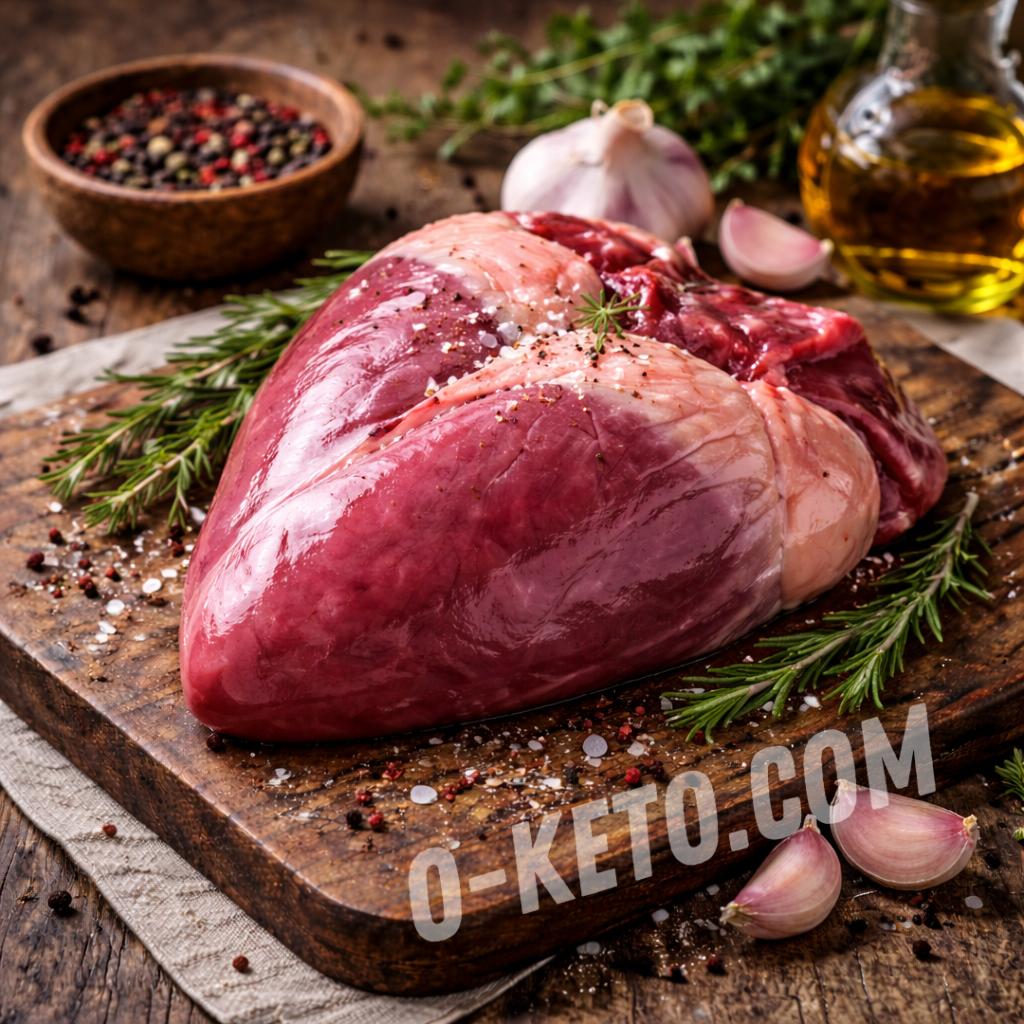

Beef heart — one of the most nutritious offal used in the cuisines of many countries. It has a dense texture, rich meat flavor, and high protein content. Due to its structure, the heart is well-suited for stewing, frying, and making casseroles.
This product contains a large amount of B vitamins, iron, and other trace elements that participate in metabolism and maintain the body’s energy balance. The absence of carbohydrates makes beef heart suitable for low-carb diets.
Nutritional Value of Beef Heart
Beef heart is classified as a lean meat and contains complete protein with a good amino acid profile.
The average nutritional value per 100 g of raw product:
- calories — 110–130 kcal
- protein — 17–20 g
- fat — 3–5 g
- carbohydrates — 0 g
The glycemic index of beef heart is zero, as the product contains no carbohydrates.
Vitamins and Trace Elements
Beef heart is one of the richest meat products in vitamins and minerals:
Beef heart also contains coenzyme Q10 — a substance involved in cellular energy metabolism.
Cooking Features
Before cooking, beef heart is usually cleaned of large vessels and connective tissue. After that, it can be cut into pieces or slices.
The most common cooking methods include:
- stewing with onions and spices
- frying in pieces
- making casseroles
- baking in the oven
- adding to soups and broths
When slowly stewed, beef heart becomes tender and retains its rich meat flavor, making it a base for many meat dishes.
Incorporation into Diet
Beef heart can diversify a meat diet and provide the body with protein and trace elements. It pairs well with onions, garlic, herbs, and spices that enhance its flavor.
This product is suitable for preparing both simple home dishes and more complex meat recipes.


