


Cobalamin
Vitamin B12 is needed for the nervous system, red blood cell formation, methylation and fatty acid metabolism. Deficiency is often linked not to low-carbohydrate eating itself, but to poor absorption, vegan diets, age, metformin, proton pump inhibitors, autoimmune gastritis and stomach or intestinal surgery.
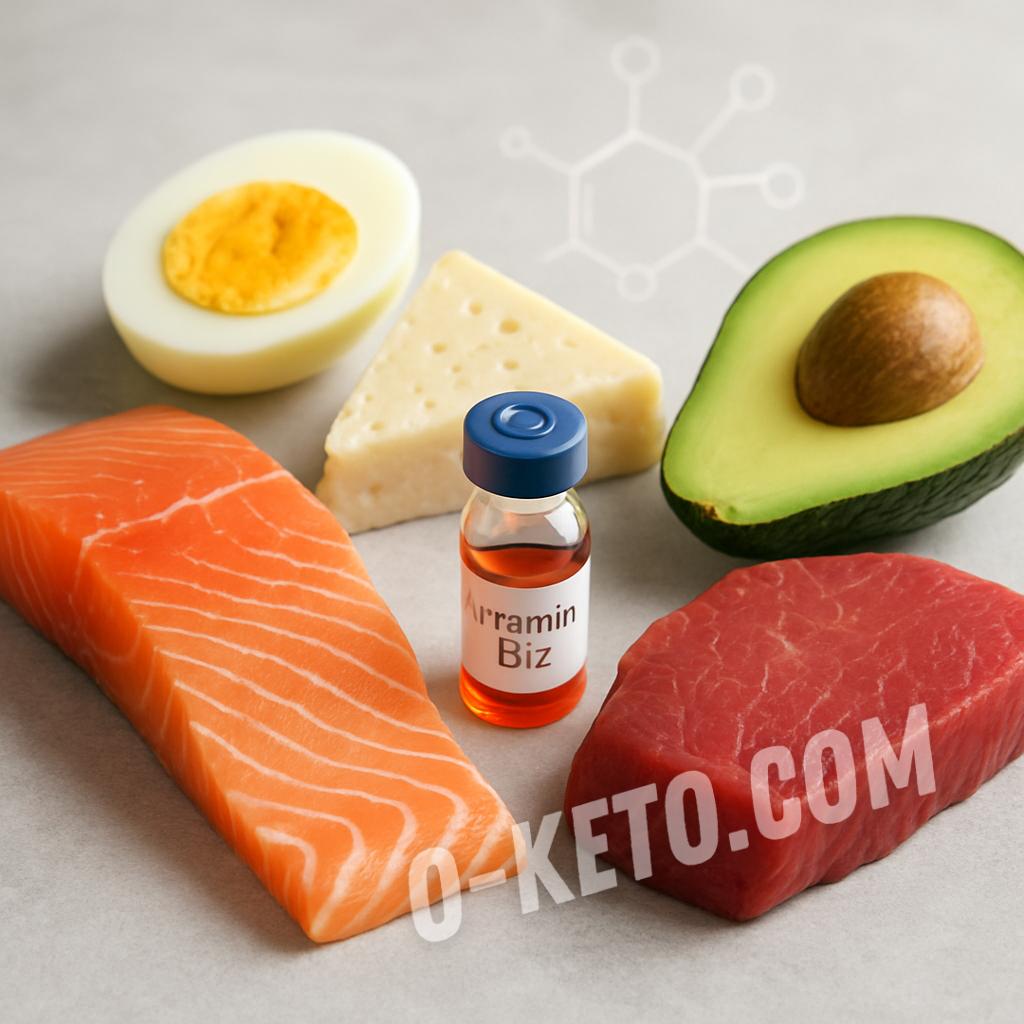
Cobalamin is vitamin B12, a water-soluble vitamin needed for nervous system function, red blood cell formation, DNA synthesis and the metabolism of certain fatty acids and amino acids. Unlike many other B vitamins, it is not supplied in meaningful amounts by ordinary plant foods. The main natural sources are animal foods such as meat, fish, eggs, shellfish, liver and dairy products.
The body can store B12, so deficiency does not always appear quickly. When absorption is impaired, however, stores gradually fall and symptoms may develop quietly: fatigue, numbness, tingling, memory problems, irritability, unsteady walking, anemia or elevated homocysteine. Neurological symptoms are especially important because they can occur before obvious anemia.
How vitamin B12 is absorbed
Cobalamin has a complicated absorption pathway. It must first be released from food in the stomach with the help of acid and enzymes, then bind to intrinsic factor produced by stomach cells. This complex is absorbed in the ileum, the final part of the small intestine. Deficiency can therefore come not only from low intake, but also from problems in the stomach, pancreas, bile flow, small intestine or after surgery.
Risk rises with autoimmune gastritis, pernicious anemia, removal of part of the stomach or intestine, Crohn’s disease, celiac disease, chronic diarrhea, severe dysbiosis, long-term proton pump inhibitor use and metformin use. In older adults, stomach acid often declines, so B12 is released from food less efficiently. In such cases, the diet may look adequate while laboratory markers and symptoms still point to deficiency.
Role in blood and nerves
Vitamin B12 is involved in red blood cell formation. Deficiency can cause megaloblastic anemia, in which blood cells become larger and oxygen transport suffers. Normal hemoglobin does not fully exclude the problem. If a person receives plenty of folate, anemia may be masked while the nervous system continues to be affected.
For nerves, cobalamin matters because of its role in methylation and myelin maintenance. Deficiency can cause tingling in the feet and hands, a sensation of heavy or weak legs, reduced vibration sense, balance problems, poor concentration and mood changes. These symptoms deserve careful evaluation and should not be explained only by stress, aging or low-carb adaptation.
Which tests help
Total serum B12 is useful but imperfect. It can be normal during functional deficiency or elevated for reasons that do not mean tissues are well supplied. When there is doubt, several markers are read together: total B12, holotranscobalamin, homocysteine, methylmalonic acid, complete blood count, MCV, ferritin, folate and clinical symptoms.
Methylmalonic acid is especially helpful because it rises when B12-dependent cellular metabolism is insufficient. Homocysteine may also rise, but it is influenced by folate, vitamin B6, thyroid status, kidney function, inflammation and genetic methylation differences. A single test should therefore not replace the whole clinical picture.
Keto, LCHF and food sources
On keto and LCHF, B12 deficiency should not be common if the diet includes meat, fish, eggs, seafood and organ meats. Liver, sardines, mackerel, beef, eggs and dairy foods can cover needs well. But if a person eats few animal foods, avoids organ meats, has poor digestion or takes metformin, risk remains.
Low-carbohydrate eating may improve glucose and appetite for some people, but it does not treat impaired B12 absorption. If autoimmune gastritis or pernicious anemia is present, supplementation forms that bypass the absorption problem and medical follow-up may be needed. In such cases, food alone may not be enough even when the diet is otherwise excellent.
Supplements and caution
Supplements may contain cyanocobalamin, methylcobalamin, adenosylcobalamin or hydroxocobalamin. The choice depends on the reason for deficiency, tolerance, availability and medical guidance. In severe deficiency, neurological symptoms or poor absorption, higher doses or injections are often needed rather than an ordinary multivitamin.
Self-supplementing B12 is usually safer than taking many other nutrients, but that does not mean the cause can be ignored. It is important to understand whether the problem is diet, stomach function, intestine, medication, an autoimmune process or surgery. Treating only the number on a laboratory report may miss a condition that needs separate follow-up.
Practical interpretation
Cobalamin is best understood as a nutrient for nerves, blood and methylation, not as a generic energy supplement. Fatigue, numbness, anemia, high homocysteine, long-term metformin use or acid-suppressing medication are good reasons to assess B12 status more carefully than with one superficial test.
For a low-carbohydrate diet, the practical principle is simple: nutrient-dense animal foods make adequate intake more likely, but a good menu does not guarantee absorption. If symptoms or tests suggest deficiency, the cause and the replacement form need to be addressed rather than taking a random capsule from time to time.
More about the nutrient:

If you have any questions about the term "Cobalamin", you can ask them to AI. Please note, a low-cost OpenAI model is used. It may answer questions about disease treatment with errors!


