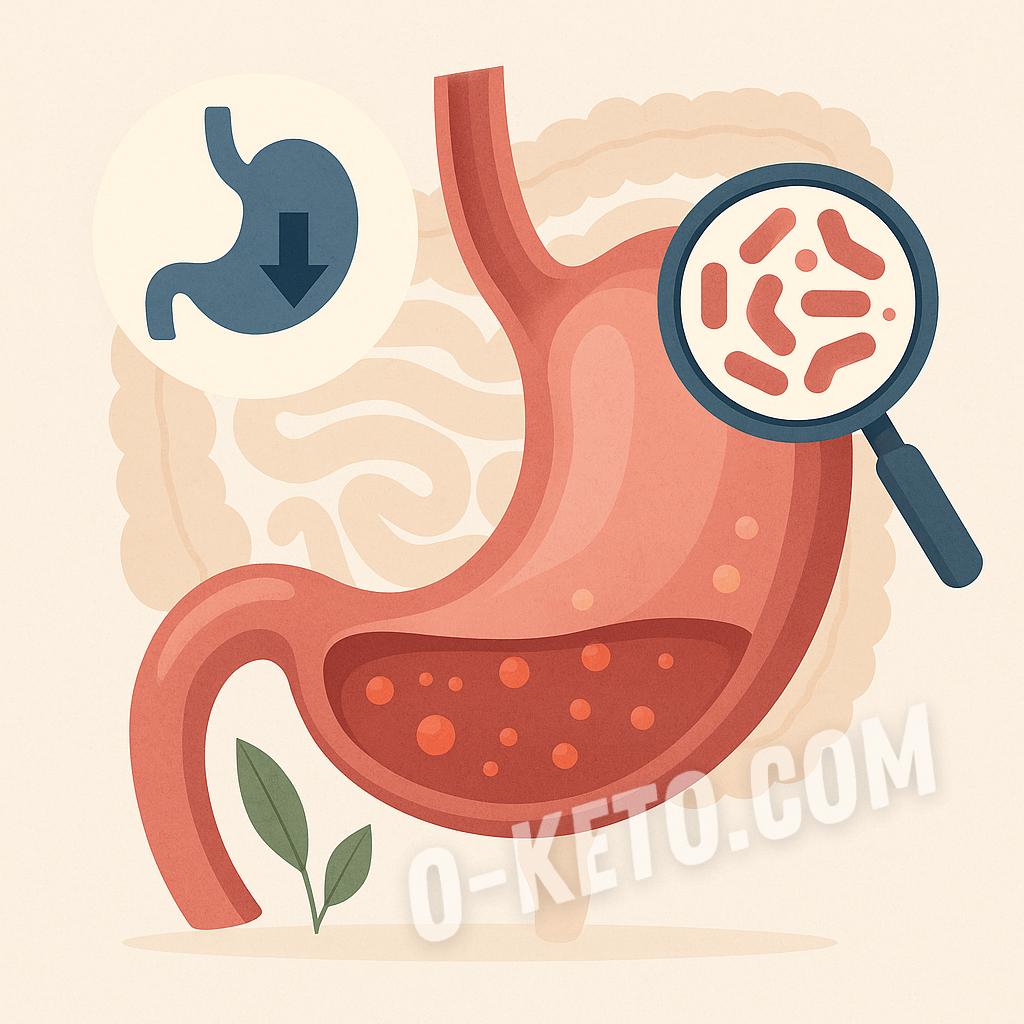
Hypoacidity of the stomach is a condition in which the production of hydrochloric acid is reduced to the extent that normal digestion, food sterilization, and nutrient absorption are disrupted.
A lack of acid leads to the growth of pathogenic flora, reduced protein digestion, deficiencies in minerals and vitamins, as well as systemic health consequences.
Understanding the causes, symptoms, and correction methods helps restore gastrointestinal function and prevent long-term complications.
Causes of Hypoacidity
age-related changes in the secretory function of the stomach;
chronic inflammatory diseases of the gastrointestinal tract, including gastritis and infections;
autoimmune processes affecting the acid-producing cells;
long-term use of antacids and proton pump inhibitors;
irregular eating, frequent snacking, and low protein intake;
deficiencies in zinc, vitamin B1, and other nutrients involved in gastric juice secretion;
chronic stress reducing HCl production through vagus nerve dysfunction.
Symptoms and Manifestations
Reduced acidity affects both digestion and the state of the microbiota and overall health. It often manifests with the following signs:
heaviness after meals, especially after protein-rich foods;
increased intestinal permeability and inflammatory reactions;
hormonal imbalances, as hormone synthesis depends on the quality of digestion and nutrient absorption.
Conclusion
Hypoacidity of the stomach is a common but often underestimated condition. By noticing symptoms in a timely manner and making adjustments to nutrition, lifestyle, and nutrient support, it is possible to restore full digestion, improve vitamin and mineral absorption, and significantly enhance quality of life.
If symptoms persist, it is recommended to consult a specialist for diagnosis and the development of a personalized recovery plan.
The most important thing about Hypoacidity of the stomachWatch all
Any remaining questions? Ask chatGPT.:
If you have any questions о термине "Hypoacidity of the stomach", you can ask them to our bot.
Hypoacidity of the stomach is a condition in which the production of hydrochloric acid and digestive enzymes is reduced. This leads to impaired protein digestion, bacterial overgrowth, dysbiosis, and nutrient deficiencies.
Only verified information backed by research, physiology, and biochemistry about your health.
Why diseases occur, how to heal with proper nutrition, vitamins, and minerals, what therapeutic doses to take, and which diet is optimal for your health. What tests to take and how to interpret the results.
In the settings, you can also enable knowledge based on GNM and homeopathy.
We use cookies to ensure the best presentation of our website. If you continue to use the site, we will assume that you are satisfied with it.