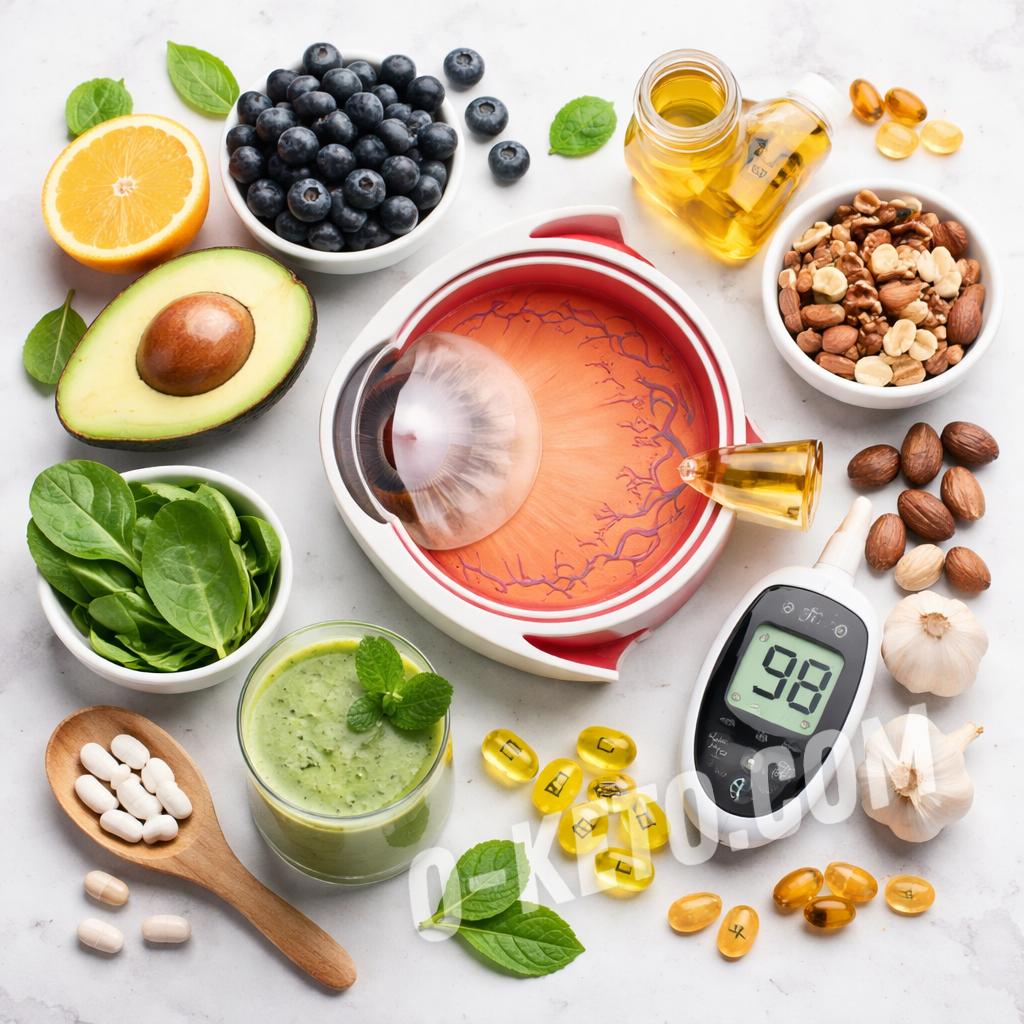
Cataract


Cataract — is the clouding of the eye’s lens, leading to a gradual decrease in vision. The main mechanism is related to the damage of lens proteins, their glycation and oxidation, which disrupts the transparency of the tissue.
Although the disease is often associated with age, metabolic factors play a key role.
Causes of Development
- chronically elevated glucose levels and glycation of lens proteins;
- insulin resistance and carbohydrate metabolism disorders;
- oxidative stress and antioxidant deficiency;
- ultraviolet radiation;
- deficiency of key nutrients (glutathione, vitamin C, vitamin E);
- inflammatory processes and metabolic syndrome;
- long-term use of corticosteroids.
Mechanism of Formation
With excess glucose, the polyol pathway is activated: glucose is converted into sorbitol, which accumulates in the lens. This leads to osmotic stress, cell damage, and clouding:
- glycation of proteins reduces lens transparency;
- sorbitol accumulation causes swelling and structural breakdown;
- reduced glutathione enhances oxidative damage;
- mitochondrial dysfunction accelerates tissue degeneration.
Symptoms
- blurred or hazy vision;
- increased sensitivity to light;
- halos around light sources;
- decreased contrast and brightness of colors;
- worsening vision in low light conditions.
Diagnosis:
- visual acuity check;
- examination of the lens using a slit lamp;
- assessment of intraocular pressure;
- analysis of metabolic factors (glucose, insulin).
Prevention and Correction
- control of glucose levels and reduction of excess carbohydrates in the diet;
- maintaining insulin sensitivity;
- ensuring antioxidant protection (glutathione, vitamin C, vitamin E);
- sufficient protein intake for tissue renewal;
- protecting the eyes from ultraviolet light;
- supporting mitochondrial function (magnesium, coenzyme Q10);
- reducing chronic inflammation.
Excess carbohydrates and chronically elevated glucose levels are among the main causes of cataract development. It is glycation of proteins and accumulation of sorbitol that trigger the processes of lens damage.
Therefore, effective prevention includes not only eye protection but also normalization of metabolism: glucose control, reduction of insulin resistance, and providing the body with necessary nutrients.
Treatment
In cases of significant clouding, surgical removal of the lens with the installation of an artificial lens is performed. However, the rate of disease progression largely depends on the metabolic state of the body.
If you have any questions о термине "Cataract", you can ask them to our bot.
List of videos from YouTube by request "Cataract":