


Kidney failure


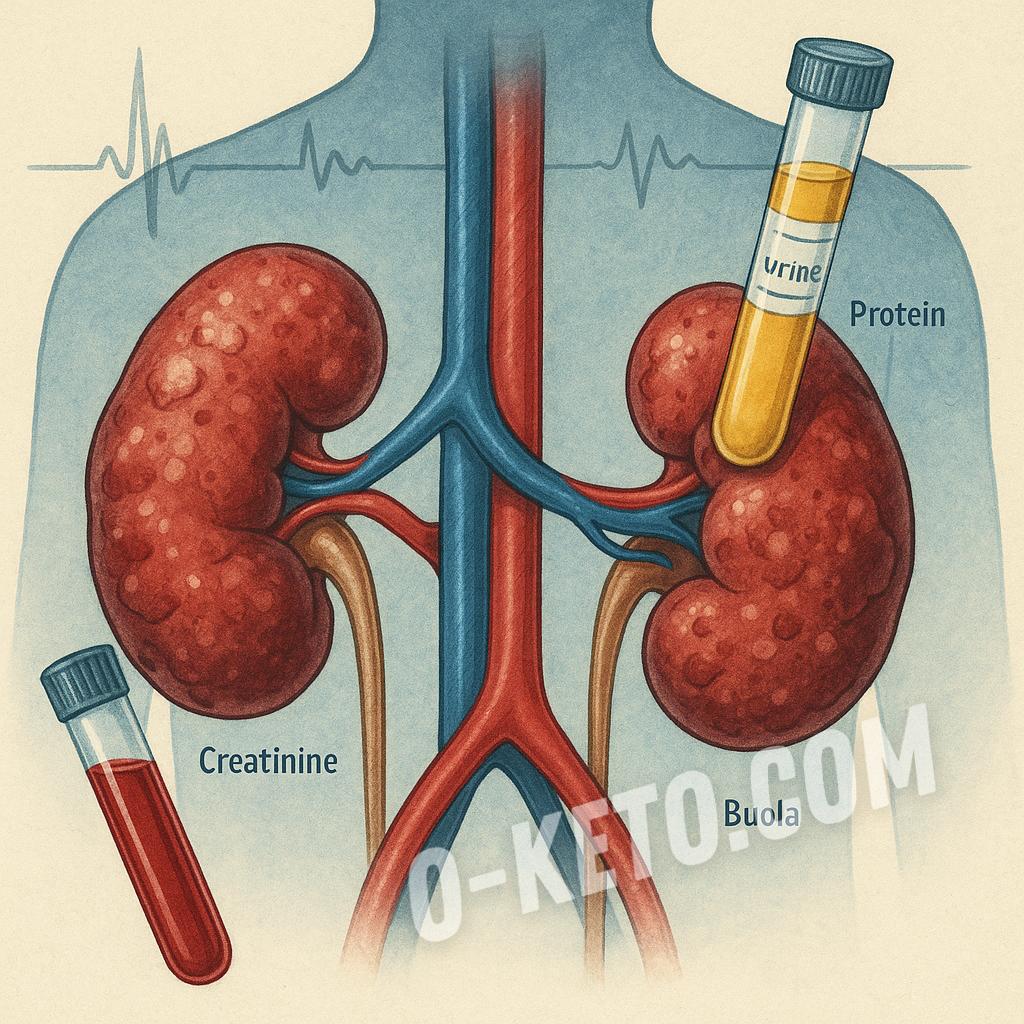
Kidney failure is a condition in which the kidneys stop effectively filtering blood, removing toxins, maintaining normal water-electrolyte balance, and regulating blood pressure.
Disruption of kidney function leads to the accumulation of metabolic products, changes in potassium, sodium, and fluid levels in the body, and also affects the heart, hormonal system, and overall health.
Acute and chronic damage are distinguished, and both require timely diagnosis and appropriate treatment.
Causes of Kidney Failure
Acute form. Acute kidney failure develops quickly—from a few hours to a couple of days—and is often reversible with timely assistance.
It can occur due to:
- trauma, massive blood loss, or surgeries leading to a sharp decrease in blood flow to the kidneys;
- infections, including acute pyelonephritis or sepsis;
- poisoning with toxic substances, heavy metals, alcohol, or certain medications (NSAIDs, antibiotics, contrast agents);
- exacerbation of chronic diseases such as diabetes, heart failure, or severe hypertension;
- obstruction of the urinary tract (stones, tumors, prostate adenoma).
Chronic form. Chronic kidney failure develops slowly, over months and years, and is most often associated with long-term damage to kidney tissue.
Causes include:
- long-standing diabetes and diabetic nephropathy;
- arterial hypertension damaging kidney vessels;
- chronic glomerulonephritis and autoimmune diseases;
- polycystic kidney disease and other hereditary disorders;
- long-term use of nephrotoxic drugs and chronic intoxication;
- disruption of calcium and phosphorus metabolism leading to kidney tissue damage.
Symptoms of Kidney Failure
In the early stages, it often proceeds asymptomatically, but as kidney function declines, characteristic signs appear:
- fatigue, weakness, decreased endurance;
- swelling of the legs, face, eyelids, appearing in the morning;
- reduction in urine output or, conversely, frequent urination in the early stages;
- increased blood pressure that does not respond to therapy;
- metallic taste in the mouth, nausea, vomiting due to toxin accumulation;
- cramps, heart rhythm disturbances with changes in potassium levels;
- dry skin, itching, deterioration of hair and nail condition;
- anemia due to decreased erythropoietin synthesis by the kidneys.
Diagnosis
To confirm the diagnosis and determine the degree of impairment, comprehensive studies are used:
- blood tests for creatinine, urea, electrolytes, and glomerular filtration rate (GFR);
- urine tests for protein, albumin, casts, and density;
- ultrasound of the kidneys to assess structure and size;
- CT or MRI in case of suspected obstruction or complex cases;
- hormone tests affecting blood pressure and water balance regulation.
Treatment
The approach depends on the cause, degree of damage, and presence of complications.
Therapeutic methods:
- treatment of the underlying disease (infections, hypertension, diabetes, inflammatory processes);
- control of blood pressure, sugar, and electrolyte levels;
- correction of anemia and mineral-bone disorders;
- prescription of nephroprotective drugs (ACE inhibitors, sartans);
- diet with restrictions on protein, sodium, phosphorus, and potassium depending on the stage (in modern medical practice, although in the long term this often worsens the situation).
Replacement therapy:
- hemodialysis or peritoneal dialysis in case of significant GFR reduction;
- kidney transplantation as the optimal option for long-term rehabilitation;
- supportive detoxification therapy in acute toxic damage.
Prevention
Preventive measures are especially important for people with diabetes, hypertension, and hereditary risk factors:
- regular monitoring of blood sugar and appropriate diabetes therapy;
- maintaining normal blood pressure;
- quitting smoking and limiting alcohol;
- adequate water intake (considering heart and kidney conditions);
- avoiding nephrotoxic drugs and self-medication;
- healthy eating with minimal trans fats;
- moderate physical activity and maintaining a normal weight;
- regular medical check-ups and kidney marker tests.
Conclusion
Kidney failure is a serious condition that can develop slowly and unnoticed. Timely diagnosis and lifestyle changes can slow disease progression, improve quality of life, and prevent complications.
If swelling, urinary disturbances, increased blood pressure, or signs of intoxication appear, it is important to consult a specialist as soon as possible.
If you have any questions о термине "Kidney failure", you can ask them to our bot.
List of videos from YouTube by request "Kidney failure":


