


Psoriasis


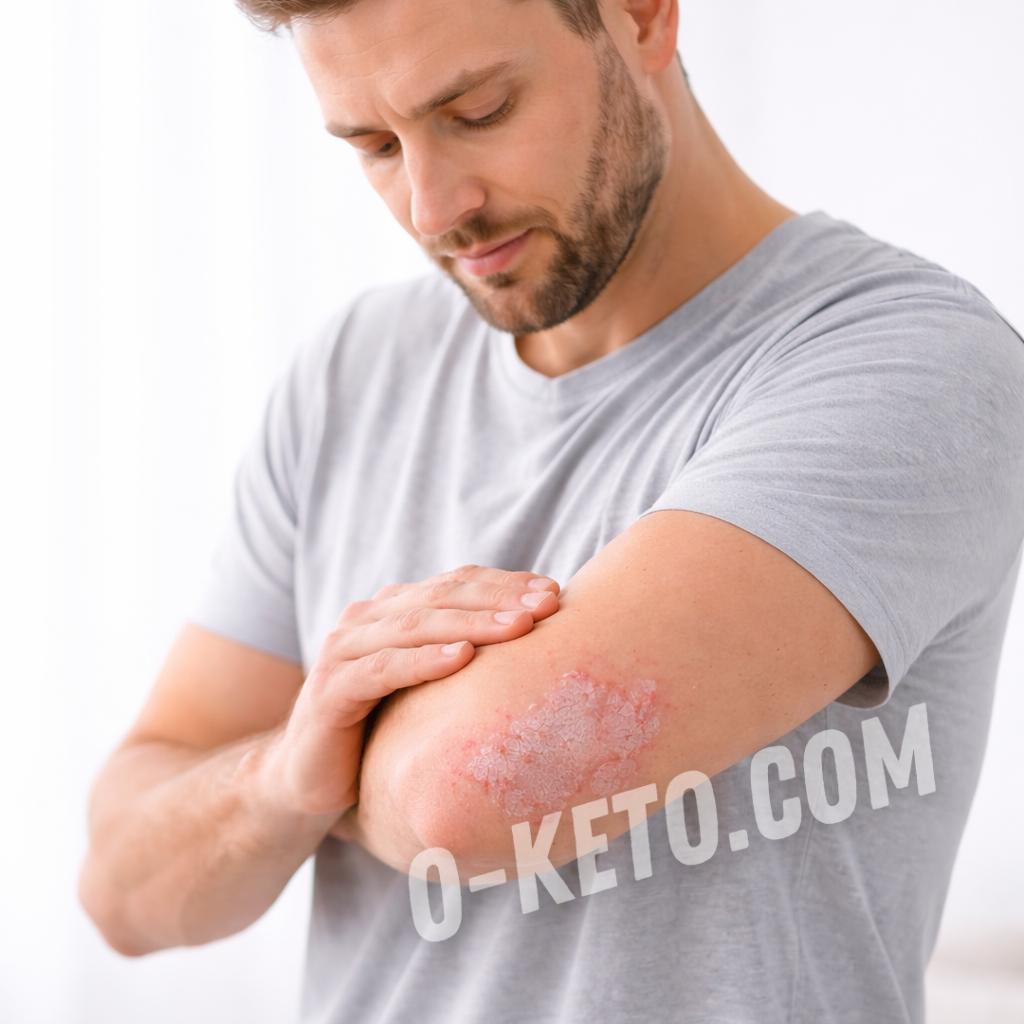
Psoriatic skin disease is a chronic immune-inflammatory condition in which the pathological process affects not only the skin but also the entire body as a whole. Clinical manifestations are most often represented by inflammatory plaques with characteristic scaling; however, behind the external symptoms lies a deep disruption of immune regulation, metabolism, and barrier functions of tissues. The disease proceeds in a wave-like manner, alternating phases of exacerbation and relative well-being, and requires a comprehensive, systemic approach that goes far beyond topical therapy.
The modern view considers psoriasis not as an isolated skin problem but as a marker of systemic inflammation, closely linked to metabolic syndrome, obesity, insulin resistance, microbiome disruption, and chronic stress. This is why nutrition, body mass, gut health, and lifestyle, in general, play a significant role in the course of the disease and the frequency of exacerbations.
Factors and Pathogenesis
The basis of the disease is a combination of genetic predisposition and acquired triggers. Hereditary features of the immune system create an increased readiness for inflammatory reactions, while external and internal factors initiate and sustain the pathological process.
A key link in the pathogenesis is the disruption of innate and adaptive immunity with the activation of pro-inflammatory cascades. The Th17–IL-23 axis plays a special role, leading to excessive cytokine production, accelerated keratinocyte proliferation, and the formation of a persistent inflammatory focus. At the same time, the barrier function of the skin is compromised, making it more vulnerable to mechanical, infectious, and chemical impacts.
The state of the gut is of particular importance. Dysbiosis, increased intestinal permeability, and chronic metabolic inflammation can enhance immune activation and sustain skin manifestations.
- genetic predisposition and familial forms of the disease;
- hyperactivation of the immune response with a predominance of the Th17 component;
- chronic systemic inflammation and metabolic disorders;
- disruption of skin and intestinal barriers;
- influence of triggers: stress, infections, skin injuries, smoking.
Clinical Manifestations and Forms
The clinical picture varies significantly and depends on the form of the disease, the duration of the process, and accompanying factors. In some patients, the lesions are limited to the skin, while in others, nails and joints are involved.
- inflammatory plaques of red or pink color with pronounced scaling;
- dryness, itching, and a feeling of tightness in the skin;
- typical localization on the elbows, knees, scalp, and lower back;
- nail involvement with thickening and deformation;
- psoriatic arthritis with involvement of joints and ligaments.
The Role of Nutrition and Body Mass
Nutrition directly affects the level of systemic inflammation and the metabolic state of the body. Excess adipose tissue itself is an active endocrine organ that produces pro-inflammatory mediators, worsening the course of the psoriatic process.
Weight loss in overweight patients is often accompanied by a reduction in the severity of skin manifestations and an increase in the effectiveness of drug therapy. Controlling carbohydrate intake, the quality of fats, and the overall nutrient composition of the diet is considered particularly important.
Ketogenic and Low-Carbohydrate Approaches
The ketogenic diet is a dietary option with a sharp restriction of carbohydrates, moderate protein intake, and a predominance of fats. This regimen helps to lower insulin levels, reduce fat mass, and potentially decrease the inflammatory background.
For some patients with psoriatic skin disease, the ketogenic approach may provide supportive effects by reducing metabolic stress and stabilizing energy metabolism. However, this dietary format requires individual tailoring and medical supervision.
Lifestyle and Supportive Measures
In addition to nutrition, non-medical factors that influence immune regulation and skin condition are of great importance. Regularity, predictability, and reduction of chronic stress have a pronounced impact on the course of the disease.
- maintaining normal body weight;
- moderate physical activity without overexertion;
- quality sleep and recovery;
- quitting smoking and minimizing alcohol;
- reducing psycho-emotional stress;
- gentle skin care without aggressive impacts.
Daily Skin Care Practices
Daily care is primarily aimed at restoring and maintaining the skin barrier. Regular moisturizing, using gentle cleansing agents, and protecting the skin from mechanical damage can reduce symptom severity and the frequency of exacerbations.
Additional support may come from a diet rich in omega-3 fatty acids, antioxidants, and complete proteins, which helps normalize inflammatory processes and restore tissues.
The overall approach to psoriatic skin disease should be comprehensive. Nutrition, body weight control, lifestyle, and proper skin care do not replace medical therapy but significantly enhance its effectiveness and improve the quality of life for patients with a long-term course of the disease.
If you have any questions о термине "Psoriasis", you can ask them to our bot.
List of videos from YouTube by request "Psoriasis":


