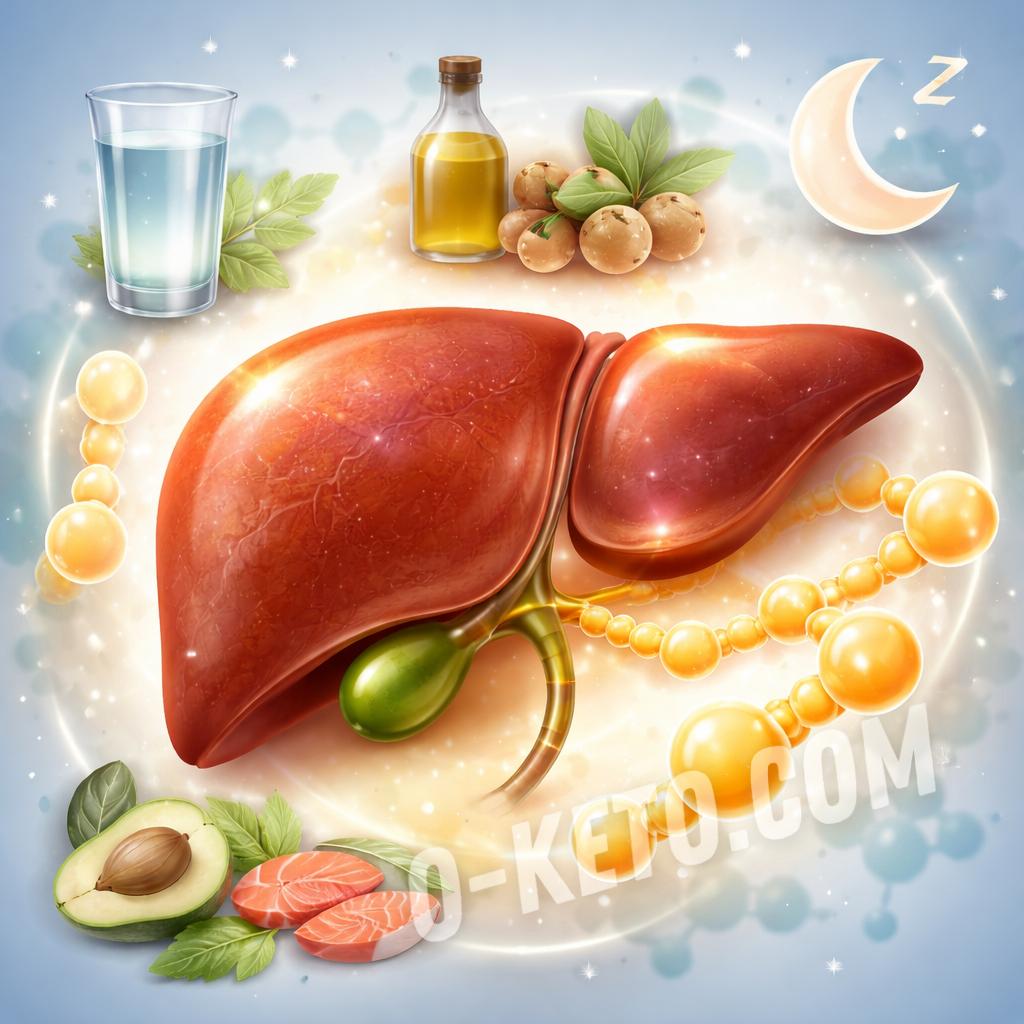
Gilbert’s syndrome is a hereditary feature of bilirubinmetabolism, characterized by periodic increases in the level of unconjugated bilirubin in the blood without signs of liver damage.
This condition is associated with reduced activity of the enzyme UDP-glucuronosyltransferase 1A1 and usually has a benign course. For most people, it does not pose a health threat and does not shorten life expectancy, but it requires an understanding of provoking factors and lifestyle adjustments.
What it is and how it works
Bilirubin is formed during the breakdown of hemoglobin.
Initially, it exists in an unconjugated (indirect) form – fat-soluble and toxic. In the liver, under the action of the enzyme UDP-glucuronosyltransferase 1A1, it binds to glucuronic acid and becomes conjugated (direct), after which it is excreted with bile.
In Gilbert’s syndrome, the enzyme activity is reduced. As a result, some unconjugated bilirubin does not get bound in time, leading to increased levels in the blood. In this case:
Increased bilirubin levels are often provoked by fasting, dehydration, infections, physical and psycho-emotional stress, and lack of sleep. After eliminating the provoking factor, the indicators usually normalize.
How it manifests
In many individuals, the condition is discovered accidentally during a blood test. However, there are some features that may suggest it:
slight yellowing of the sclera and skin during stress or illness;
feeling of fatigue during periods of increased bilirubin;
rarely – dark urine during pronounced episodes;
absence of pain and signs of liver inflammation.
It is important to distinguish it from other causes of hyperbilirubinemia, especially if there is pain in the right upper quadrant, pronounced weakness, or significant changes in tests.
Metabolic features and lifestyle
Since the key trigger is energy deficiency and stress, it is important to maintain a stable energy balance. Prolonged periods without food increase fat mobilization and hemoglobin breakdown, which can temporarily raise bilirubin levels.
Additional risk factors for episodes include:
strict low-calorie diets;
dehydration;
excessively intense workouts without recovery;
alcohol;
lack of sleep.
Supporting the liver in this condition does not require “detoxes,” but implies adequate nutrition, sufficient protein intake, micronutrients, and normalization of sleep patterns.
The ketogenic diet is not contraindicated but requires a knowledgeable approach. A sudden entry into ketosis with a pronounced calorie deficit or prolonged fasting intervals can provoke an increase in bilirubin.
When adapting to a ketogenic diet, it is important to:
avoid sharp reductions in calorie intake;
not combine the start of the ketogenic diet with prolonged intermittent fasting;
maintain sufficient protein intake for normal metabolism.
After adapting to ketosis, most people with Gilbert’s syndrome tolerate the diet well, provided there are no additional stress factors.
Practical recommendations
maintain a regular eating schedule without prolonged fasting periods;
monitor hydration, especially in hot climates and during physical activity;
ensure adequate protein and micronutrient intake;
limit alcohol and discuss medication use with a doctor;
avoid drastic dietary experiments and extreme physical exertion.
When medical evaluation is needed
pronounced jaundice that does not resolve after rest;
pain in the right upper quadrant;
significant elevation of liver enzymes;
suspicion of concomitant liver or biliary tract diseases.
Gilbert’s syndrome is a benign feature of metabolism, not a disease in the classical sense. A conscious approach to sleep, stress, and nutrition can minimize episodes of increased bilirubin and maintain stable well-being.
The most important thing about Gilbert’s syndromeWatch all
Any remaining questions? Ask chatGPT.:
If you have any questions о термине "Gilbert’s syndrome", you can ask them to our bot.
Ask a question
List of videos from YouTube by request "Gilbert’s syndrome":
Only verified information backed by research, physiology, and biochemistry about your health.
Why diseases occur, how to heal with proper nutrition, vitamins, and minerals, what therapeutic doses to take, and which diet is optimal for your health. What tests to take and how to interpret the results.
In the settings, you can also enable knowledge based on GNM and homeopathy.
We use cookies to ensure the best presentation of our website. If you continue to use the site, we will assume that you are satisfied with it.