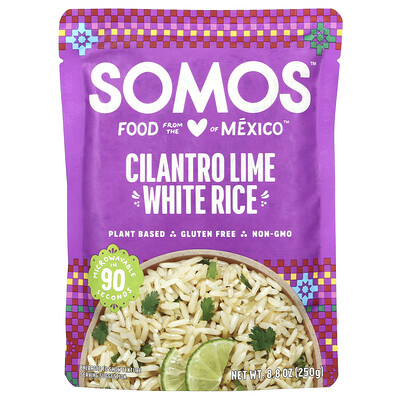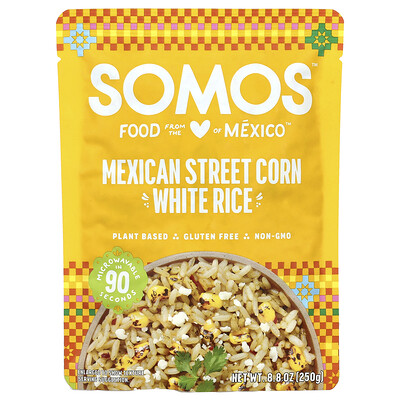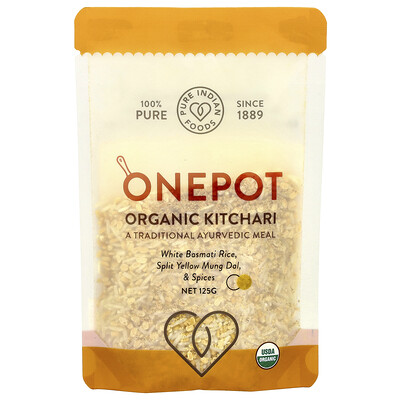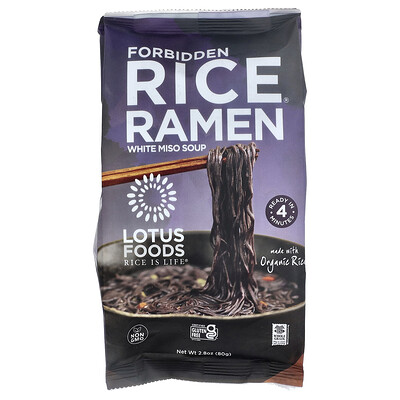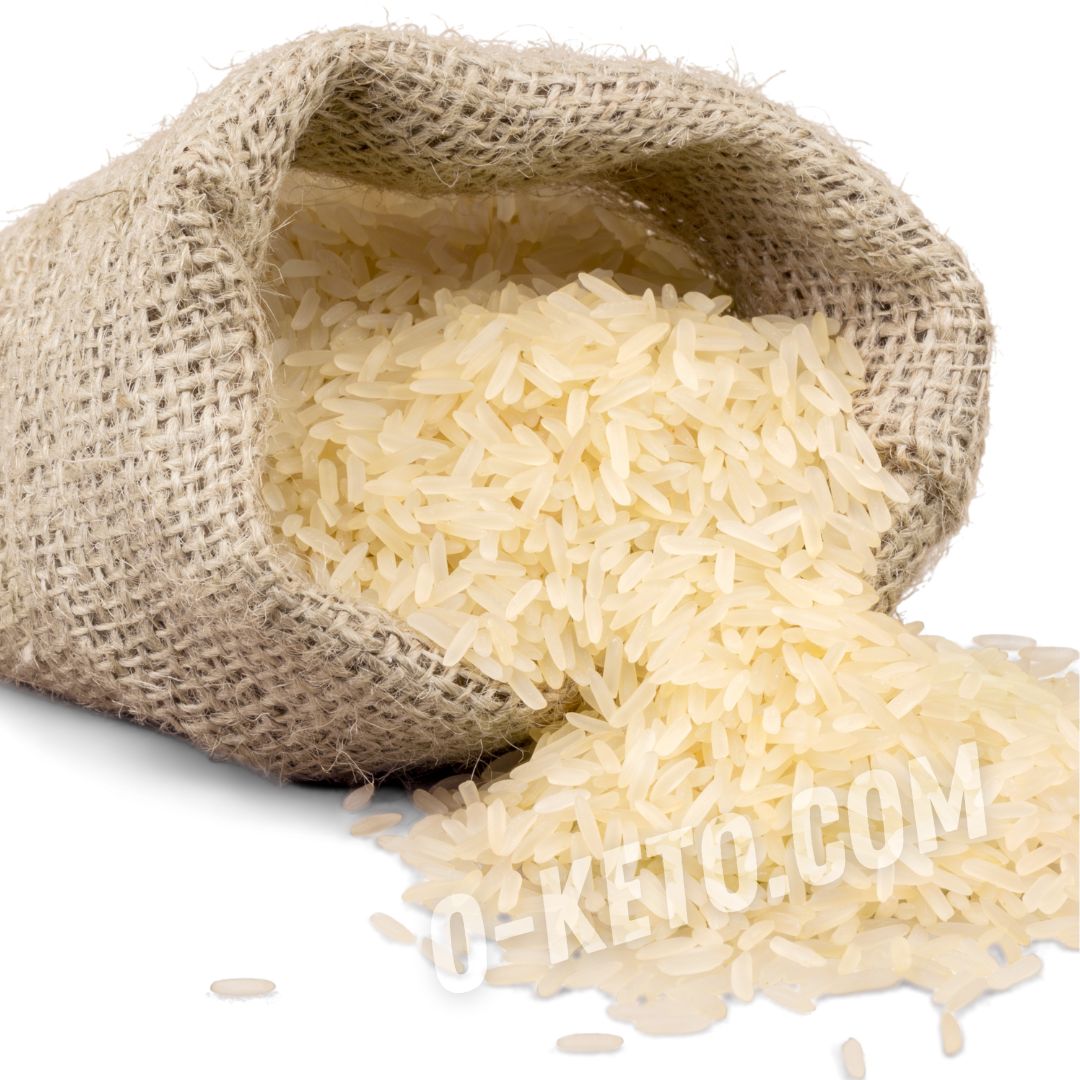

White rice is cleaned and polished rice grain with the outer bran layers and germ removed. This processing makes it quick to cook, mild in flavor, and good at absorbing sauces, broth, and spices. That is why white rice has become a basic side dish in many cuisines: it does not compete with the main dish and easily adapts to different foods.
For low-carb eating, white rice is a difficult product. It is convenient, familiar, and inexpensive, but almost all of its energy comes from starch. In a keto diet it is usually not used as a side dish, because even a small bowl of cooked rice quickly brings a meaningful amount of carbohydrates. If rice appears in the menu, it needs to be weighed and counted rather than treated as a neutral grain.
Nutritional value
In 100 g of cooked white rice, there are usually about 130 kcal and around 28 g of carbohydrates. Protein is modest, fat is almost absent, and fiber is lower than in brown or red rice. In dry grain, the values per 100 g are much higher because rice absorbs water during cooking and increases its weight about 2.5–3 times.
Polishing makes the grain more tender, but removing the outer layers also removes part of the fiber, B vitamins, and minerals. Some white rice is enriched, but this depends on producer and country. In any case, the main food role of white rice is starch and a quick neutral side dish, not a concentrated source of micronutrients.
Glycemic profile
The glycemic index of white rice is often high, about 70–90, but the exact value depends on variety, degree of cooking, cooling, and what the rice is eaten with. Sticky rice and very soft rice porridge usually have a faster starch profile than fluffy basmati cooked al dente.
Cooling cooked rice can slightly change the starch structure, but it does not turn it into a low-carb product. For keto, the final grams of carbohydrates on the plate matter more. Even when rice is mixed with vegetables, egg, or meat, the starch itself does not disappear.
Fits keto and LCHF
For strict keto, white rice usually does not fit. A 100–150 g serving of cooked rice can bring 28–42 g of carbohydrates, which for many people is close to the daily limit or above it. In a more flexible LCHF plan, a small portion may sometimes be used as part of a dish, but it is an exception rather than a staple side.
If rice is needed for a recipe, it is easier to reduce the amount and mix it with a low-carb base: cauliflower rice, finely chopped cabbage, zucchini, mushrooms, egg, herbs, or meat. This keeps some familiar texture and flavor while reducing the carbohydrate load of the serving.
How to cook
Rice is usually rinsed until the water is clearer to remove some surface starch and get a fluffier texture. Long-grain rice is usually cooked with less water, while short-grain rice becomes soft and sticky more easily. Basmati and jasmine differ in aroma: basmati is drier and fluffier, jasmine is softer and more fragrant.
For a side dish, rice should not be overcooked. Very soft rice turns into a dense starchy mass and holds texture poorly. If rice is needed for frying, it is often cooked in advance, cooled, and then quickly fried with egg, meat, vegetables, and sauce.
Pairings
White rice absorbs the taste of curry, sugar-free soy sauce, sesame oil, coconut milk, broth, tomato sauces, seafood, chicken, beef, eggs, and herbs. In a keto context, however, rice should not become the center of the plate. Protein, a fatty sauce, and vegetables should make up the larger part if rice is used at all.
Sweet sauces, sugary teriyaki, starchy gravies, and large rice portions quickly make the dish very high in carbohydrates. If the goal is carbohydrate control, choose an unsweetened sauce, more protein, and less grain.
How to store
Dry rice should be kept in an airtight container, in a dry dark place, away from moisture and strong smells. Cooked rice spoils quickly at room temperature, so it should be cooled and refrigerated. Reheat it until hot, and do not keep leftovers for several days without a reason.
Substitutes
For keto, cauliflower rice, finely chopped white cabbage, zucchini, rice-shaped shirataki, mushrooms, or a vegetable-and-egg mixture are more common choices. If a neutral side is needed, cauliflower is closest in role. If a springy texture is needed for an Asian-style dish, shirataki rice works better after rinsing and dry-heating in a pan.