


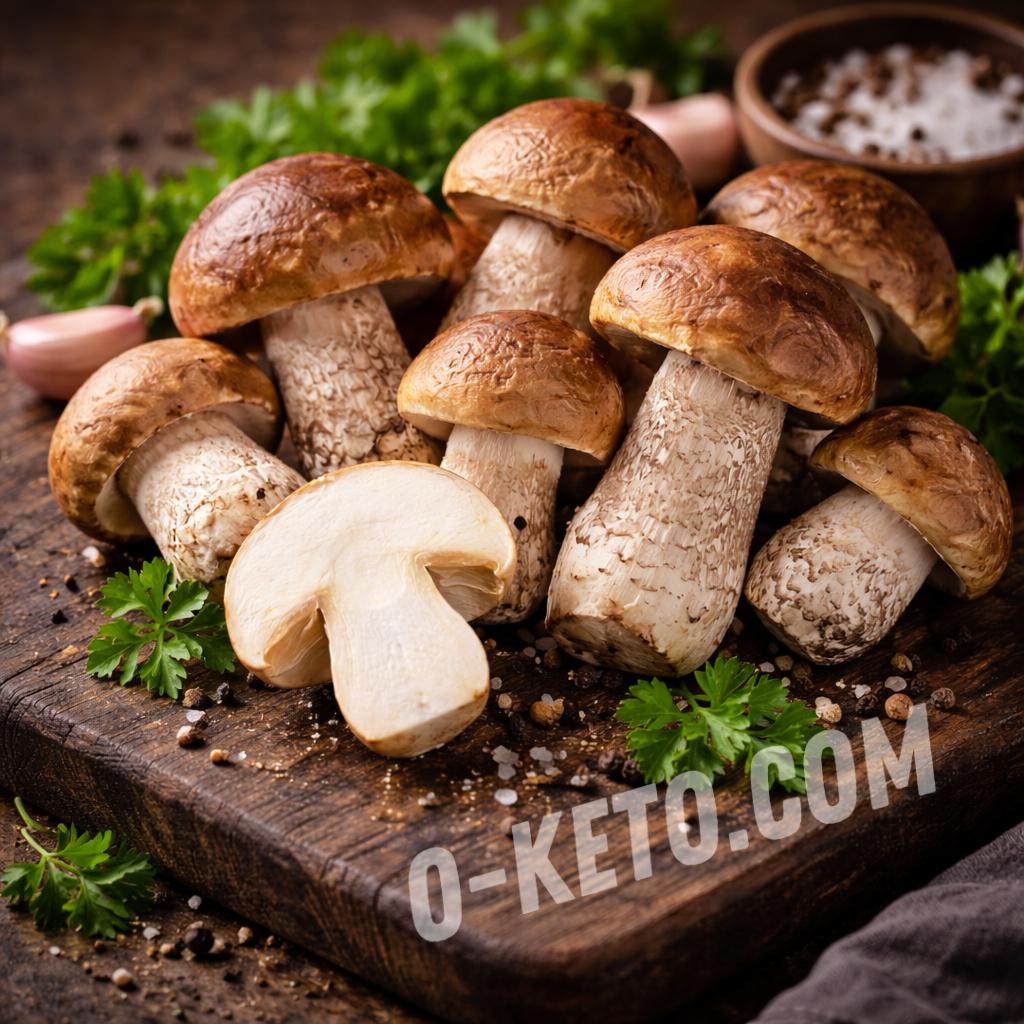

Birch boletes — edible mushrooms from the genus Leccinum, widely distributed in deciduous and mixed forests of temperate climates. They got their name due to their characteristic association with birch trees, near which they most often grow. These mushrooms are valued for their dense texture, mild flavor, and versatility in cooking.
Birch boletes form mycorrhiza with tree roots, allowing them to obtain nutrients from the soil while supporting the health of forest ecosystems. Young fruiting bodies are considered the most valuable in cooking due to their firm flesh and pronounced mushroom aroma.
Description and Features
Birch boletes are easily recognizable by their characteristic appearance. Their cap usually has shades of brown color — from light beige to dark brown. The surface can be smooth or slightly velvety.
Main characteristics of birch boletes:
- cap diameter of 5–15 cm;
- cap color from light brown to dark brown;
- cylindrical stem with dark scales;
- tubular layer under the cap;
- white and dense flesh.
The flesh of birch boletes may darken slightly during heat treatment, which is a natural property of these mushrooms.
Nutritional Value
Like most forest mushrooms, birch boletes have low calorie content and contain a small amount of fat. They are a source of plant protein, fiber, and trace elements.
The average nutritional value per 100 g of fresh mushrooms:
| calories | 20–25 kcal |
| proteins | 2–3 g |
| fats | 0.3–0.5 g |
| carbohydrates | 3–4 g |
Birch boletes contain a number of vitamins and minerals:
- B vitamins;
- vitamin D;
- potassium;
- phosphorus;
- magnesium;
- selenium.
The glycemic index of mushrooms is very low, so they have little effect on blood sugar levels.
Culinary Use
Birch boletes have a mild flavor and pair well with various ingredients. They can be used as a main ingredient in a dish or as a flavorful addition.
Main cooking methods:
- frying in a pan;
- stewing;
- adding to soups;
- baking;
- drying;
- pickling.
Before cooking, the mushrooms are cleaned of dirt and, if necessary, the skin is removed from the cap. They are then sliced or cubed.
Birch boletes pair well with the following ingredients:
Storage
Fresh birch boletes should ideally be used within a few days after collection. They are stored in the refrigerator in a paper bag or an open container.
For long-term storage, several methods are used:
- drying;
- freezing;
- pickling;
- canning.
Proper processing helps preserve the taste and aroma of the mushrooms for a long time.


