


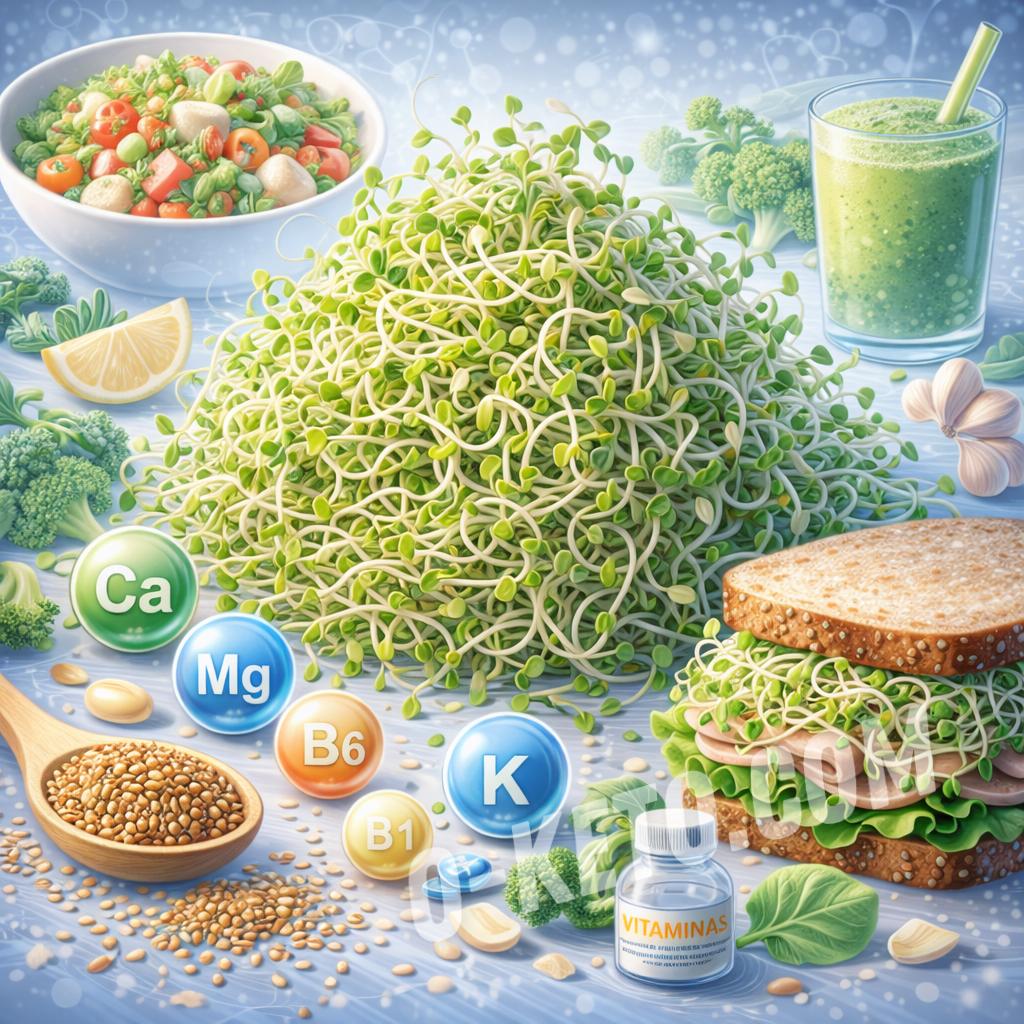

Alfalfa sprouts — are the germinated shoots of the Medicago sativa plant, used in nutrition as a functional food product. They are characterized by low calorie content, high density of micronutrients, and a neutral fresh taste. Because of this, alfalfa sprouts are widely used in the diets of health-conscious individuals, those controlling their weight, and those focused on food quality.
History and Origin
Alfalfa was originally cultivated as a forage crop; however, its sprouts have been used in human nutrition since ancient times, especially in Asian and Middle Eastern countries.
In traditional dietary systems, alfalfa sprouts were regarded as a source of vitality and a means of supporting digestion. Modern interest in them is linked to the development of nutrition science and a focus on foods with high biological value.
Nutritional Value
Alfalfa sprouts are characterized by low energy density and high content of vitamins, minerals, and phytonutrients. On average, 100 g of the product contains about 25–35 kcal, while the carbohydrate load remains minimal.
Main nutrients:
- plant protein;
- dietary fiber;
- B vitamins;
- vitamins A, C, E, and K;
- calcium, magnesium, potassium, and iron.
Alfalfa sprouts also contain saponins and flavonoids, which are involved in regulating inflammatory processes and providing antioxidant protection.
Physiological Effects
Regular inclusion of alfalfa sprouts in the diet can have a comprehensive effect on the body:
- supporting normal digestive system function;
- participating in carbohydrate metabolism regulation;
- contributing to bone tissue mineralization;
- supporting immune function;
- providing antioxidant protection for cells.
The glycemic index of alfalfa sprouts is extremely low, making them a neutral product in terms of fluctuations in blood glucose levels.
Dietary Use
Alfalfa sprouts are primarily consumed fresh, which helps preserve their biological value. They are most often used:
- in vegetable and protein salads;
- as an addition to sandwiches and rolls;
- as a fresh component in prepared dishes;
- in smoothies and cold appetizers.
Thermal processing is not recommended, as it reduces the content of vitamins and enzymes.
Features and Precautions
Like any sprouts, alfalfa sprouts require hygiene compliance. They must be thoroughly washed before consumption. When sprouting at home, it is important to use quality seeds and control storage conditions.
People with autoimmune diseases, hormonal disorders, or individual intolerance to new products are advised to gradually introduce alfalfa sprouts into their diet.
Overall, alfalfa sprouts — are a light, functional product that can complement the diet by increasing its micronutrient density and variety without significantly affecting calorie content and carbohydrate load.


