





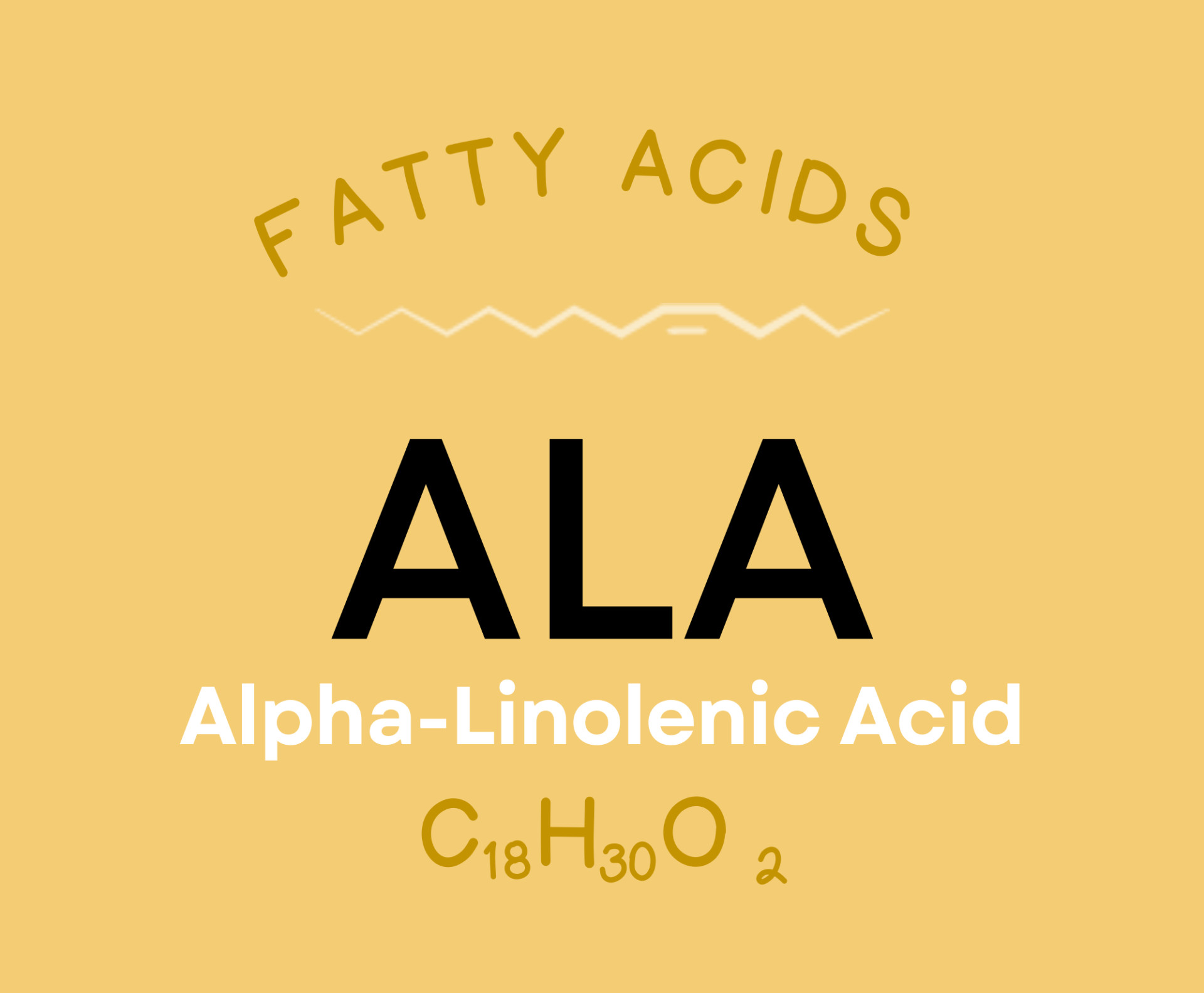

Alpha-linolenic acid (ALA) is an essential omega-3 fatty acid that plays a key role in maintaining human health.
It is an important building block for the production of long-chain polyunsaturated fatty acids such as eicosapentaenoic acid (EPA) and docosahexaenoic acid (DHA), which are necessary for the normal functioning of the brain and cardiovascular system.
As an essential acid, ALA must be obtained from food, as the human body is unable to synthesize it on its own.
Alpha-linolenic acid (ALA) plays a crucial role in brain function, participates in the formation of cell membranes, and influences the functioning of many body systems.
To maintain health, it is recommended to consume foods rich in this acid, such as flaxseeds, chia seeds, and walnuts.

Health Benefits
Heart health. Studies show that consumption of alpha-linolenic acid may help reduce the risk of cardiovascular diseases by improving cholesterol levels and reducing inflammation.
Brain function. Alpha-linolenic acid plays a key role in maintaining cognitive functions and may be associated with a reduced risk of neurodegenerative diseases.
Skin benefits. Alpha-linolenic acid may improve skin health by promoting hydration and reducing inflammatory processes.
Mood. Some studies link the consumption of alpha-linolenic acid with improved mood and reduced symptoms of depression.
Inflammation. It has anti-inflammatory properties and may help treat various inflammatory diseases, such as arthritis.
Cholesterol levels. Consumption of alpha-linolenic acid may help lower total cholesterol and low-density lipoprotein (LDL) levels in the blood.
Pregnancy. Studies show that adequate intake of alpha-linolenic acid during pregnancy may support maternal health and fetal brain development.
Aging. It may slow down the aging processes by improving cell health and reducing oxidative stress.
Blood sugar levels. Some data suggest that alpha-linolenic acid may help improve blood sugar control in people with diabetes.
Daily Requirement for Alpha-Linolenic Acid
The daily requirement for alpha-linolenic acid (ALA) for adults is approximately 1.1-1.6 grams per day. This amount helps maintain normal body function and prevents the development of deficiency.
For pregnant women the requirement is slightly higher due to the importance of ALA for fetal brain development.
Possible forms and their absorption
Nutrient forms are listed from best to worst:
Options on iHerb:


Symptoms and Consequences of Deficiency
Symptoms of ALA deficiency may include dry skin, brittle nails, hair problems, vision deterioration, arterial stiffness, and an increased risk of inflammatory diseases. These signs may indicate insufficient intake of omega-3 fatty acids in general.
Prolonged ALA deficiency may lead to serious health consequences, including impaired brain development and decreased cognitive functions.
Potential Risks of Excess and Their Prevention
Although ALA is an important omega-3 fatty acid, excessive intake may increase the risk of blood clot formation, which can potentially lead to cardiovascular diseases.
It may also worsen the body’s anti-inflammatory responses, as excess ALA can disrupt the balance with other essential fatty acids.
Interesting Facts About Alpha-Linolenic Acid
Consumption by vegetarians and vegans. Alpha-linolenic acid is an important source of omega-3 for people following a plant-based diet, as they do not obtain EPA and DHA from fish.
Evolution and discovery. Alpha-linolenic acid was first isolated in 1929, and since then it has attracted the attention of researchers due to its beneficial properties.
Animal studies. Experiments with animals have shown that alpha-linolenic acid may increase lifespan and improve health in old age.
Culinary processing. Some cooking methods may reduce ALA levels, but not all. It is better to avoid high temperatures and prolonged processing.
