Which foods are rich in omega-3 fatty acids?

Read
Video on the topic
Comments
Last updated: 20.09.2024
Time to read: 3 min.
Keto, LCHF: Recipes, Rules, Description $$$
Odessa

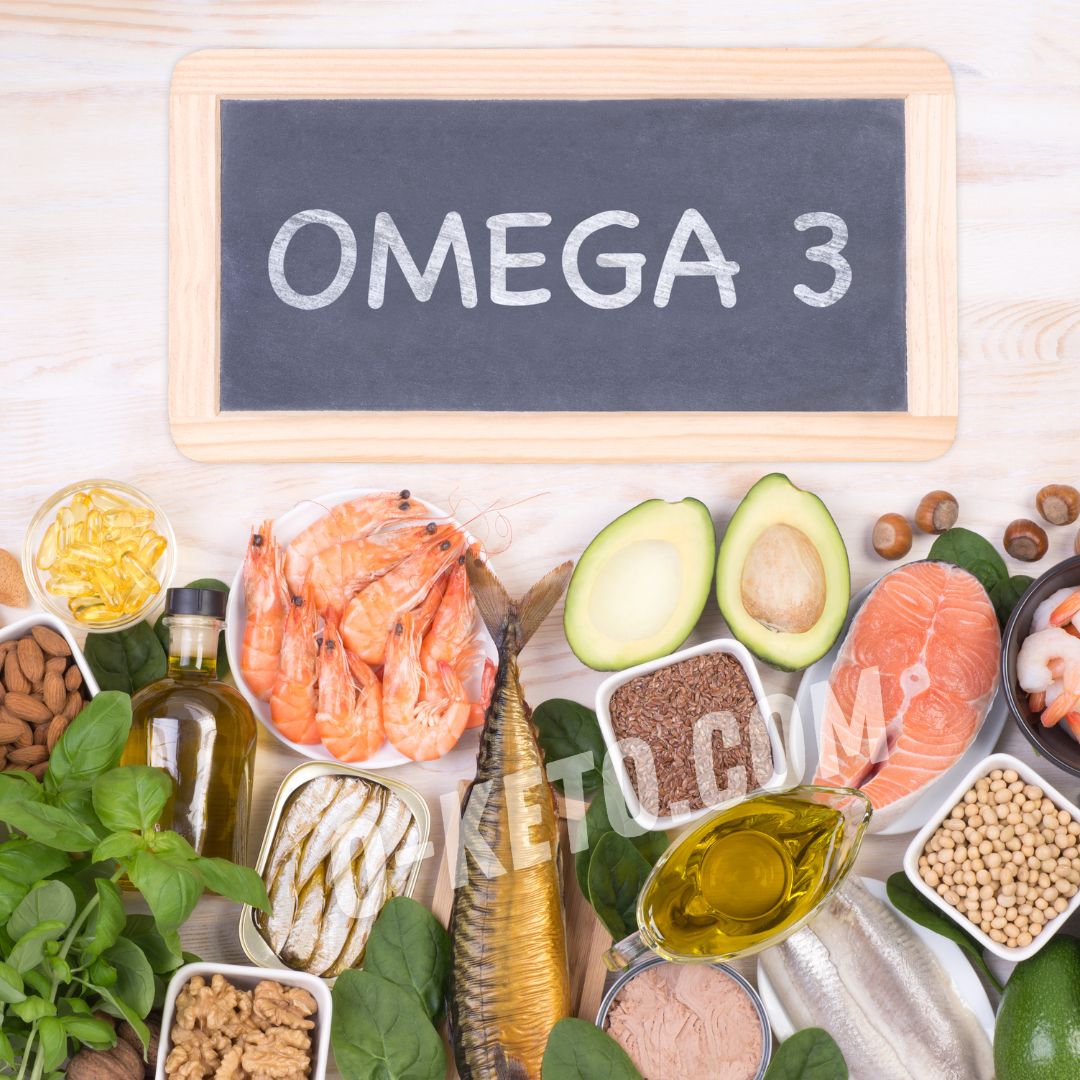
Omega-3 fatty acids are essential nutrients that play a key role in maintaining heart, brain, and many other bodily systems’ health.

They have anti-inflammatory properties, help lower levels of “bad” cholesterol, and support cognitive functions.

There are three main types of omega-3 fatty acids:

Foods containing alpha-linolenic acid (ALA)

Alpha-linolenic acid (ALA) is one of the key types of omega-3 fatty acids that is particularly important for maintaining heart and vascular health.

Unlike other omega-3s, such as DHA and EPA, ALA is predominantly found in plant sources.

Although ALA performs independent functions in the body:

  • Antioxidant protection. ALA has antioxidant properties, helping to protect cells from damage.
  • Involvement in lipid metabolism. ALA affects the structure of cell membranes and lipid metabolism, supporting overall cell health.
  • Anti-inflammatory properties. Although ALA is less effective in this regard than EPA and DHA, it also helps reduce inflammation in the body.

Its key value lies in the fact that it is a precursor to EPA and DHA. That is, the Omega-3 ALA that enters the body is converted into Omega-3 EPA and DHA.

However, the conversion process is inefficient. Only a small portion of ALA is converted into EPA (approximately 5-10%) and an even smaller amount into DHA (approximately 0.5-5%).

The body cannot synthesize ALA on its own, so it is important to obtain it from food.

The following foods predominantly contain Omega-3 ALA acid:

In addition to these products, a large amount of Omega-3 ALA is found in pumpkin seeds, hemp seeds, soybeans, soybean oil, and canola oil.

Foods containing EPA and DHA

Eicosapentaenoic acid (EPA) and docosahexaenoic acid (DHA) are the most bioavailable and potent forms of omega-3 fatty acids.

These substances are particularly important for heart, brain, and eye health, as well as for reducing inflammatory processes in the body.

Unlike ALA, EPA and DHA are primarily found in animal-based products, and their absorption does not require additional conversion in the body.

Regular consumption of sources of EPA and DHA helps maintain the normal functioning of the cardiovascular system, improves cognitive functions, and reduces the risk of inflammatory diseases.

Thus, the products that contain EPA and DHA fatty acids to a greater extent include:

Red caviar
Fish and SeafoodSuperfood
Red caviar. Source of omega-3 fatty acids and vitamins, unique for its high content of phospholipids that promote brain function and cardiovascular health. Contains rare trace elements that support the immune system.
Pollock liver
Fish and SeafoodSuperfood
Pollock liver. Source of omega-3 fatty acids and vitamins A and D, pollock liver contributes to maintaining the health of the cardiovascular system and immunity. Unique for its high content of EPA and DHA, essential for the brain.
Mussels
Fish and SeafoodSuperfood
Mussels. A source of high-quality protein and omega-3 fatty acids, mussels also contain rare minerals such as zinc and selenium, which contribute to maintaining the immune system and skin health.
Squid
Fish and SeafoodSuperfood
Squid. A source of high-quality protein and omega-3 fatty acids, squid also contains rare trace elements such as selenium and copper, which contribute to antioxidant protection and support thyroid health.
Atlantic salmon
Fish and SeafoodSuperfood
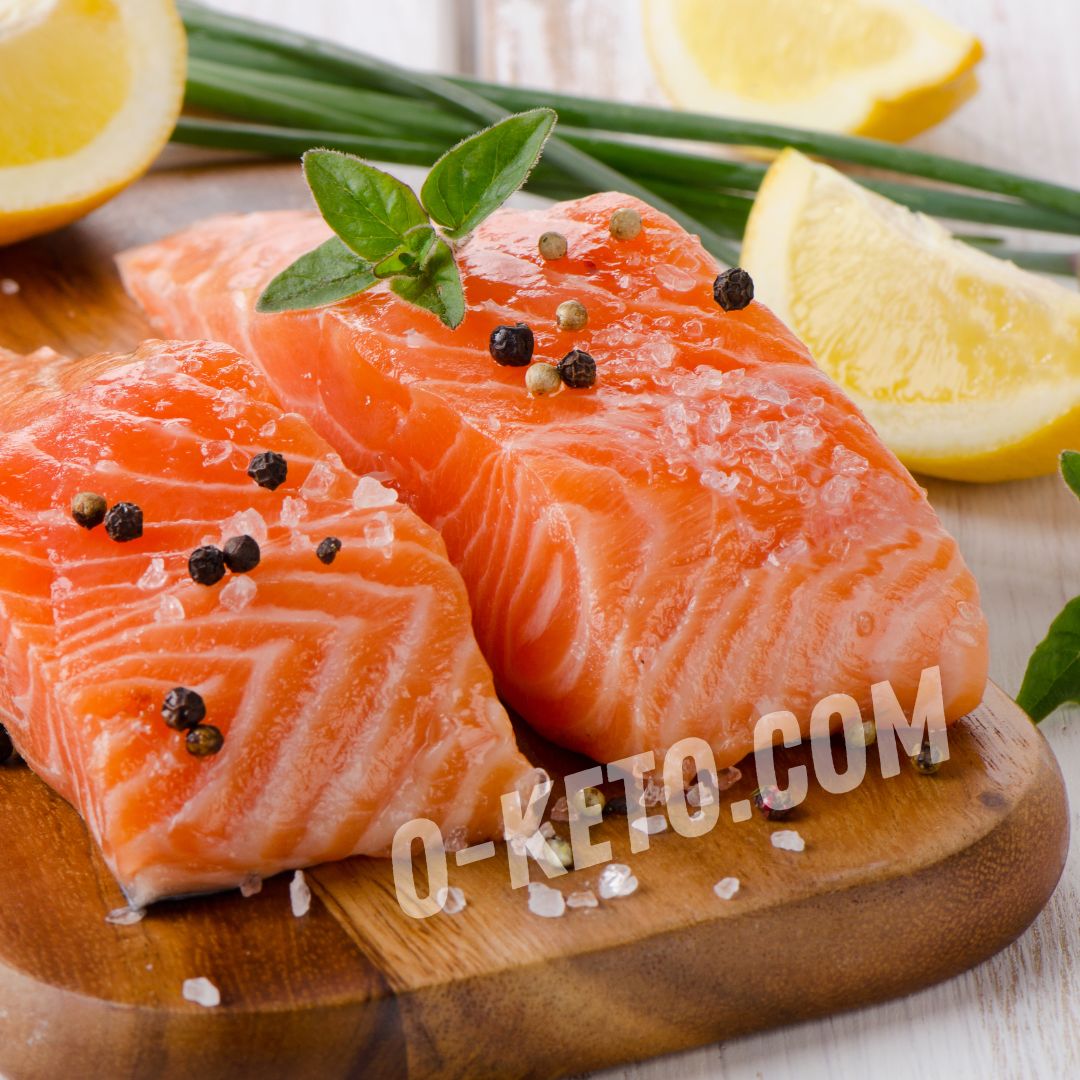
Atlantic salmon. Source of omega-3 fatty acids that support heart and brain health. Unique for its high content of vitamins D and B12, which contribute to strengthening the immune system and improving metabolism.
Trout
Fish and SeafoodSuperfood
Trout. Source of omega-3 fatty acids and high-quality protein, trout also contains antioxidants such as astaxanthin, which support heart health and improve skin condition.
Mackerel
Fish and SeafoodSuperfood
Mackerel. Source of omega-3 fatty acids that support heart and brain health. It is high in vitamins D and B12, as well as minerals such as selenium that contribute to immune function.
Oysters
Fish and SeafoodSuperfood
Oysters. A source of zinc that plays a key role in maintaining the immune system and skin health. They have a high concentration of omega-3 fatty acids and antioxidants that contribute to improving cardiovascular health.
Fish oil
Supplements and Dietary SupplementsSuperfood
Fish oil. A source of omega-3 fatty acids that support heart and brain health and have anti-inflammatory properties. Unique for its high content of DHA and EPA, which are essential for the optimal functioning of the body.
Cod liver oil
Supplements and Dietary SupplementsSuperfood
Cod liver oil. A source of omega-3 fatty acids, vitamins A and D, supports heart and immune system health. Its uniquely high content of EPA and DHA contributes to improved cognitive functions.
Salmon
Fish and SeafoodSuperfood
Salmon. Source of omega-3 fatty acids that help reduce inflammation and support heart health. Unique for its high content of vitamin D and selenium, which contribute to strengthening the immune system.
Smelt
Fish and Seafood
Smelt. A source of omega-3 fatty acids, protein, and B vitamins, it is unique in its high selenium content, which supports the immune system and has antioxidant properties.
Pikeperch
Fish and Seafood
Pikeperch. A source of high-quality protein and omega-3 fatty acids, pikeperch contributes to improved cardiovascular health and reduced inflammatory processes. It is unique for its low mercury content, making it a safe choice.
Herring
Fish and Seafood
Herring. Source of omega-3 fatty acids that support heart and brain health. Contains vitamin D and selenium, which contribute to immune function and antioxidant protection.
Pike caviar
Fish and Seafood
Pike caviar. A source of high-quality protein and omega-3 fatty acids, pike roe also contains rare trace elements such as iodine and selenium, which support the health of the thyroid gland and the immune system.
Black caviar
Fish and Seafood
Black caviar. Source of omega-3 fatty acids, vitamins A and D, as well as minerals such as selenium and zinc. Unique for its high content of antioxidants that support the immune system and skin health.
Halibut
Fish and Seafood
Halibut. Source of omega-3 fatty acids and vitamin D, halibut helps maintain cardiovascular health and strengthen the immune system. Unique for its high protein content and low mercury levels.
Pink salmon
Fish and Seafood
Pink salmon. Source of omega-3 fatty acids that help reduce inflammation and support the cardiovascular system. Contains high-quality protein and vitamin D, which contributes to bone strength.
Anchovies
Fish and Seafood
Anchovies. Source of omega-3 fatty acids and high-quality protein, anchovies are also rich in minerals such as calcium and selenium, which contribute to maintaining bone health and the immune system.
Oily fish
Fish and Seafood
Oily fish. Source of omega-3 fatty acids that support heart and brain health and have anti-inflammatory properties. Unique for its high content of vitamins D and A, which help strengthen the immune system.
Sea cocktail
Fish and Seafood
Sea cocktail. A source of high-quality protein and omega-3 fatty acids, seafood cocktail helps improve cardiovascular health and supports the immune system due to its richness in minerals and vitamins.
Sea urchins
Fish and Seafood
Sea urchins. Source of omega-3 fatty acids and rare minerals such as zinc and copper. Unique for its high content of antioxidants that contribute to strengthening the immune system and improving skin condition.
Wolffish
Fish and Seafood
Wolffish. A source of high-quality protein and omega-3 fatty acids, the cod also contains rare minerals such as selenium and phosphorus, which contribute to strengthening the immune system and maintaining bone health.
Pollock caviar
Fish and Seafood
Pollock caviar. Source of omega-3 fatty acids and vitamin D, has anti-inflammatory properties and supports cardiovascular health. Unique for its high content of phospholipids that promote brain function.
Cod roe
Fish and Seafood
Cod roe. Source of omega-3 fatty acids and vitamins D and B12, unique for its high content of phospholipids that promote improved brain function and cardiovascular health.
Beluga
Fish and Seafood
Beluga. Source of omega-3 fatty acids and vitamins D and A, has antioxidant properties. Unique for its high content of phospholipids that support the health of cell membranes and the brain.
Barabulka
Vegetables and Mushrooms
Barabulka. Source of high-quality protein and omega-3 fatty acids, contributes to improved cardiovascular health. Contains B vitamins and minerals that support metabolism and the nervous system.
Dorade
Fish and Seafood
Dorade. A source of high-quality protein and omega-3 fatty acids that promote heart and brain health. Unique for its mild flavor and low mercury content, making it a safe choice.
Bull calves
Fish and Seafood
Bull calves. Source of high-quality protein and omega-3 fatty acids that promote cardiovascular health. Contains important micronutrients such as selenium and vitamin D that support immunity.
Crucian carp
Fish and Seafood
Crucian carp. Source of high-quality protein and omega-3 fatty acids that help reduce inflammation and improve cardiovascular health. Unique in its content of B vitamins that support metabolism.
Smelt
Fish and Seafood
Smelt. Source of omega-3 fatty acids and vitamin D, smelt contributes to improved cardiovascular health and strengthens the immune system. Unique for its high protein content and low calorie count.
Poutassou
Fish and Seafood
Poutassou. A source of high-quality protein and omega-3 fatty acids, pollock contributes to the improvement of the cardiovascular system and the reduction of inflammatory processes. It is unique for its low mercury content.
Saira
Fish and Seafood
Saira. Source of omega-3 fatty acids that help reduce inflammation and support the cardiovascular system. Unique for its high content of vitamin D and selenium, which strengthen the immune system and improve metabolism.
Sardine
Fish and Seafood
Sardine. Source of omega-3 fatty acids and B vitamins, sprat contributes to improved cardiovascular health and supports brain function. Its high protein content makes it an excellent choice for diets.
Catfish
Fish and Seafood
Catfish. Source of omega-3 fatty acids and B vitamins, has anti-inflammatory properties and contributes to improved cardiovascular health. High protein content supports muscle mass.


The most importantWatch all
Which products are rich in Omega-3 and what are their benefits?

Any remaining questions? Ask chatGPT.:

If you have any questions about the article "Which foods are rich in omega-3 fatty acids?", you can ask them to AI. Please note, a low-cost OpenAI model is used. It may answer questions about disease treatment with errors!

Ask a question
Share:
Keto, LCHF: Recipes, Rules, Description $$$
Odessa