


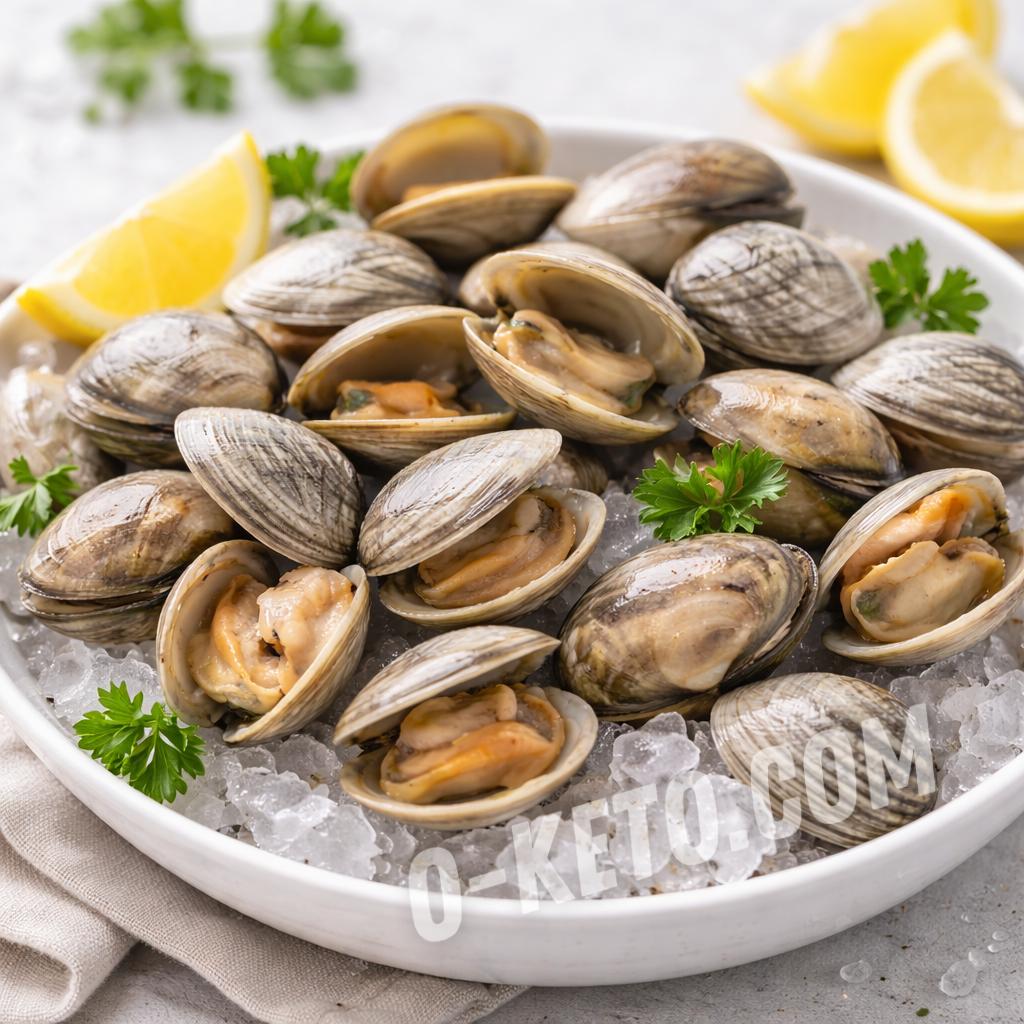

Vongole — these are small marine bivalve mollusks, valued for their tender texture and characteristic sea flavor. They are widely used in Mediterranean cuisine, especially in Italy, where they are considered a classic ingredient in simple yet gastronomically precise dishes.
Due to their high protein content and low carbohydrate load, vongole are suitable for low-carb and keto diets.
These mollusks are not only a culinary delicacy but also a concentrate of trace elements. With proper selection and quick thermal processing, they retain maximum nutritional value.
History and Origin
Vongole are traditionally harvested in the Mediterranean Sea and the Atlantic Ocean. They have been known since ancient times and were actively consumed in Ancient Rome and Greece. Over time, the mollusks became an integral part of Italian cuisine, especially in coastal regions.
Today, vongole are harvested both in the wild and farmed in aquaculture. Controlled breeding helps maintain population sustainability and reduces pressure on natural ecosystems.
Nutritional Value
Average values per 100 g of product:
- 70–80 kcal;
- 11–13 g of protein;
- 1–2 g of fat;
- 3–5 g of carbohydrates.
Despite the small amount of carbohydrates, the glycemic load remains low, as the overall consumption is usually moderate.
Vongole contain:
- vitamin B12 — supports the nervous system and blood formation;
- iron — prevents anemia;
- zinc — immune function;
- selenium — antioxidant protection;
- iodine — supports thyroid function;
- omega-3 fatty acids — anti-inflammatory action.
The mollusks are also rich in taurine and easily digestible protein, making them valuable for reducing calorie intake.
Vongole in the Keto Diet
For a keto diet, vongole are suitable when consumed in moderation. The optimal portion is 100–200 g per meal.
Recommendations:
- combine with olive oil or creamy sauce to increase fat content;
- avoid flour-based side dishes and pasta on strict keto;
- add to leafy greens, cauliflower, or zucchini;
- monitor the total carbohydrate intake in the diet.
How to Choose and Prepare
Fresh vongole should have tightly closed shells. If the shell is slightly open, it should close when tapped lightly. The smell should be fresh, marine, without sharp notes.
Before cooking, the mollusks are soaked in cold salted water for 20–30 minutes to remove sand. After that, they are thoroughly rinsed.
Cooking Methods
- quick boiling for 5–7 minutes until the shells open;
- steaming for 5–6 minutes;
- sautéing with garlic and olive oil;
- adding to soups and seafood broths.
It is important not to overcook vongole — excessive heat treatment makes the meat tough and reduces its flavor quality.
Conclusion
Vongole — this is a compact source of protein, trace elements, and omega-3 with moderate calorie content. They are suitable for a keto diet with portion control and proper pairing with fats. By choosing a quality product and careful preparation, vongole allow you to gain maximum benefits and preserve their natural sea flavor.


