


Bruxism


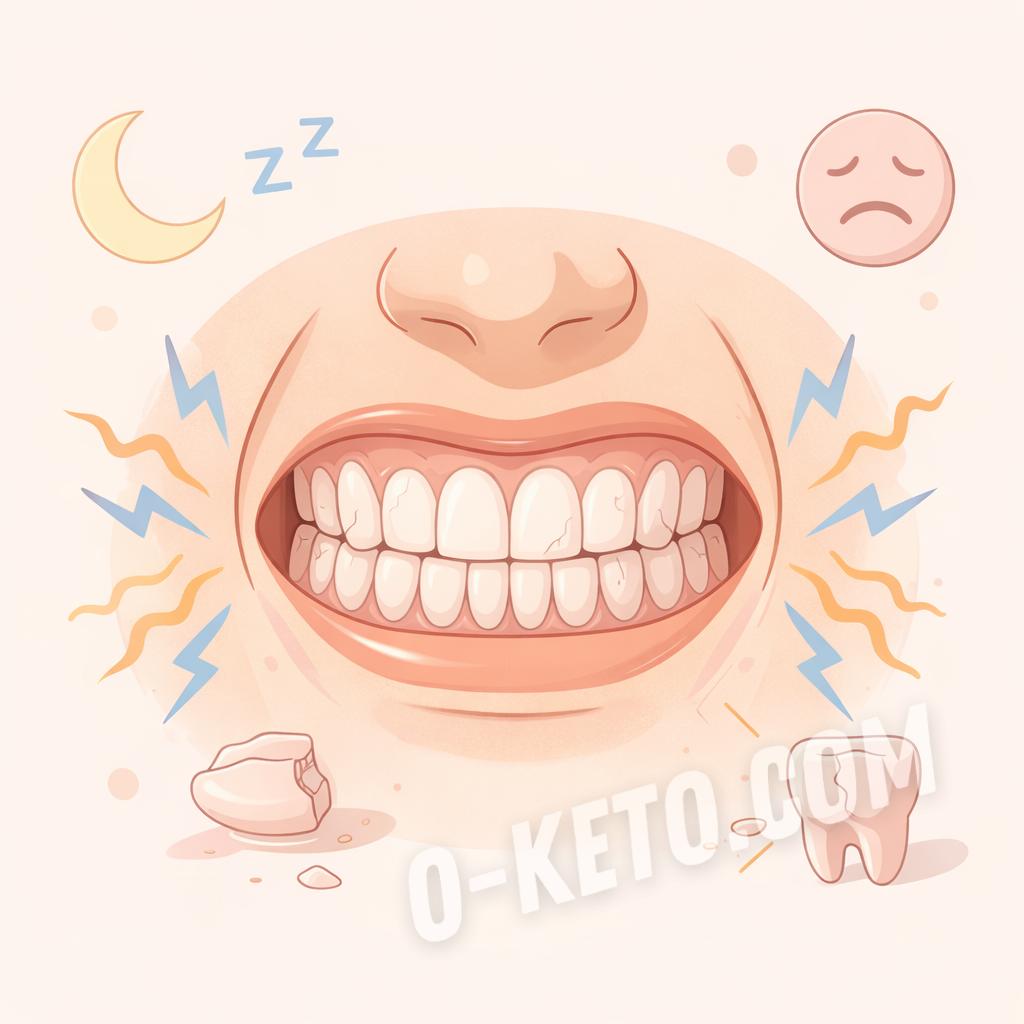
Bruxism — is a repetitive involuntary clenching or grinding of teeth, which most often occurs during sleep but can also manifest while awake. This condition occurs in people of various ages, including children and adults. For some, it is almost unnoticeable, while for others it leads to significant tension in the jaw muscles, wear of tooth enamel, pain in the temporomandibular joint, and a decline in sleep quality.
From a physiological perspective, bruxism is associated with increased activity of the masticatory muscles and a disruption of their relaxation during sleep or emotional stress. The severity of symptoms can be influenced by stress, the state of the nervous system, sleep quality, and even the balance of certain minerals involved in neuromuscular regulation.
What the condition represents
Bruxism manifests as repeated contractions of the masticatory muscles, accompanied by grinding or strong clenching of the teeth. In the nighttime form, a person usually does not realize what is happening, but in the morning they may feel fatigue or soreness in the jaw.
The most typical manifestations include:
- periodic episodes of teeth clenching during sleep;
- grinding of teeth that may be noticed by others;
- morning tension or pain in the jaw area;
- limited jaw mobility after waking;
- sensation of pressure in the temples or ears.
With prolonged duration, the condition can lead to gradual wear of tooth enamel and overload of the temporomandibular joint.
Classification
Nighttime bruxism. The most common form, occurring during sleep. Episodes usually happen in the phases of light sleep and may be associated with brief activation of the nervous system. The person does not control the movement of the jaws and most often does not realize what is happening.
This variant is often accompanied by:
- fragmentation of sleep;
- morning fatigue;
- headaches;
- tension in the facial muscles.
Daytime bruxism. This form manifests during wakefulness and usually expresses itself in the habit of clenching teeth tightly or holding the jaw in a tense position. It is often related to psycho-emotional stress, concentration, or anxiety.
Unlike the nighttime form, daytime bruxism can sometimes be partially controlled by being aware of the habit of clenching teeth and relaxing the jaw.
Causes and risk factors
The exact cause of bruxism can vary among individuals. Typically, this condition arises from a combination of several factors related to the nervous system, lifestyle, and the state of the dental apparatus:
- chronic stress and increased anxiety;
- sleep disorders, including insomnia and apnea;
- bite anomalies or misalignment of dental arches;
- excessive consumption of caffeine and other stimulants;
- alcohol or nicotine use;
- taking certain medications;
- hereditary predisposition;
- overload of the nervous system and chronic fatigue.
In children, bruxism sometimes appears during periods of active growth and tooth replacement, while in adults it is more often associated with emotional stress or sleep disorders.
Symptoms
The severity of symptoms can vary greatly. Some people have almost no signs, while others experience noticeable discomfort.
- grinding of teeth during sleep;
- morning tension or pain in the jaws;
- increased sensitivity of teeth;
- wear or microcracks in tooth enamel;
- headaches in the temple area;
- pain in the neck and shoulders;
- sensation of noise or pressure in the ears.
With prolonged duration, problems with the temporomandibular joint may develop, which can be accompanied by clicks or limited jaw movement.
Diagnosis
Diagnosis is usually conducted by a dentist or a sleep disorder specialist. The doctor evaluates the condition of the teeth, the degree of wear, and the presence of signs of overload in the masticatory muscles.
The main diagnostic methods include:
- examination of the teeth and jaw apparatus;
- assessment of complaints and sleep history;
- checking the function of the temporomandibular joint;
- in some cases, conducting polysomnography for sleep analysis.
This diagnosis helps distinguish bruxism from other diseases accompanied by jaw pain or sleep disturbances.
Treatment and management of the condition
The main goal of therapy — is to reduce tension in the masticatory muscles, prevent tooth damage, and improve sleep quality. Treatment usually involves a combination of dental and behavioral methods:
- using night guards to prevent tooth wear;
- relaxation exercises for the facial and jaw muscles;
- massage of the masticatory muscles;
- correction of the bite if necessary;
- reducing stress levels through breathing techniques or meditation;
- regular physical activity;
- normalizing sleep patterns.
It is also recommended to limit the intake of stimulants in the evening, including caffeine, alcohol, and nicotine, as they can increase nervous system activity and worsen sleep quality.
Features from the perspective of keto nutrition
No direct link has been established between the ketogenic diet and the development of bruxism. However, nutrition can influence the state of the nervous system and sleep quality, and thus — indirectly affect the severity of symptoms.
When following a keto diet, it is recommended to pay attention to the following aspects:
- maintaining adequate hydration;
- monitoring electrolytes, especially sodium, magnesium, and potassium;
- adequate protein intake for tissue repair;
- consuming foods rich in magnesium and B vitamins;
- stable eating patterns without prolonged periods of fatigue and sleep deprivation.
Overall, the most effective strategy for controlling bruxism involves a comprehensive approach: reducing stress levels, improving sleep quality, dental protection of teeth, and maintaining a balanced diet that ensures the normal functioning of the neuromuscular system.
If you have any questions о термине "Bruxism", you can ask them to our bot.
List of videos from YouTube by request "Bruxism":


