


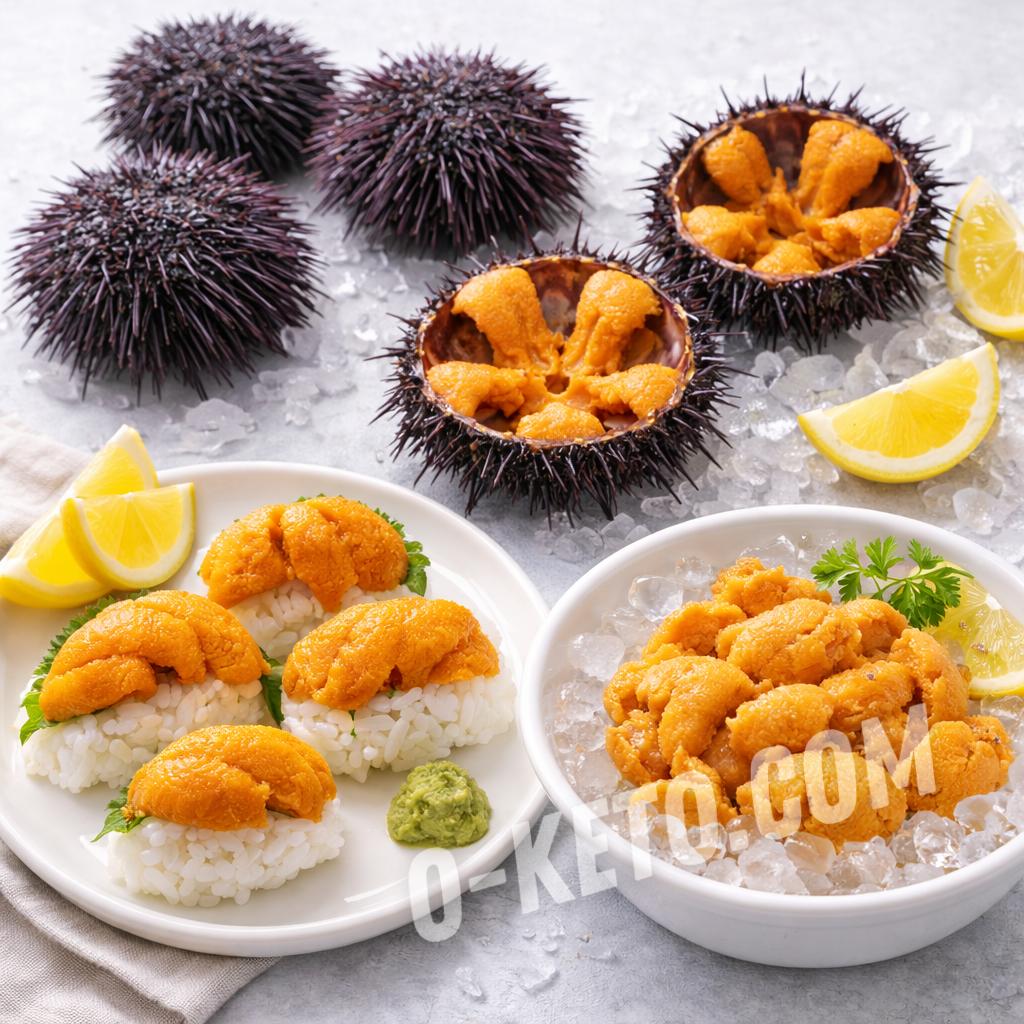

Sea urchins are echinoderms with a hard calcareous shell and movable spines, inhabiting coastal and deep-sea zones of the oceans. In gastronomy, it is not the body of the urchin that is valued, but its gonads – the so-called “uni,” which has a creamy texture and a pronounced marine flavor with a slight sweetness.
In addition to their culinary value, sea urchins play an important role in ecosystems: they regulate the growth of algae and influence the condition of coral reefs.
Biology and Characteristics
The body of a sea urchin is covered with a hard shell made of calcium plates. The spines serve protective and locomotion functions. Under the shell are:
- ambulacral system – for movement;
- chewing apparatus – “Aristotle’s lantern”;
- gonads – the edible part used in cooking.
There are over 900 species of sea urchins, inhabiting waters ranging from tropical to cold.
Nutritional Value
Average values per 100 g of the edible part:
- 110–130 kcal;
- 13–18 g of protein;
- 4–6 g of fat;
- 2–4 g of carbohydrates.
Sea urchins contain:
- vitamin B12 – supports the nervous system;
- vitamin A – skin and vision health;
- iodine – thyroid function;
- zinc – immune regulation;
- magnesium – involvement in enzymatic reactions;
- selenium – antioxidant protection;
- omega-3 fatty acids – anti-inflammatory effects.
The glycemic index is low, but when following a strict keto diet, one should consider the presence of a small amount of carbohydrates.
Sea Urchins in a Keto Diet
This product is suitable for moderate consumption in a low-carbohydrate diet.
Recommendations:
- portion size of 80–120 g per meal;
- combine with fat sources – olive oil or butter sauce;
- avoid rice and sweet sauces in strict ketosis;
- monitor total carbohydrate intake.
Culinary Traditions
The most popular ways to consume:
- raw product in the form of sashimi;
- served on rice in sushi;
- added to pastas and sauces;
- baked with butter and garlic;
- used in seafood salads.
Freshness is critically important: the aroma should be marine, without sharp ammonia notes.
Conclusion
Sea urchins are a delicacy with high biological value. They provide the body with protein, trace elements, and healthy fats while being moderately caloric. With the right choice and portion control, sea urchins can become a functional component of a low-carbohydrate diet and diversify the gastronomic experience.


