


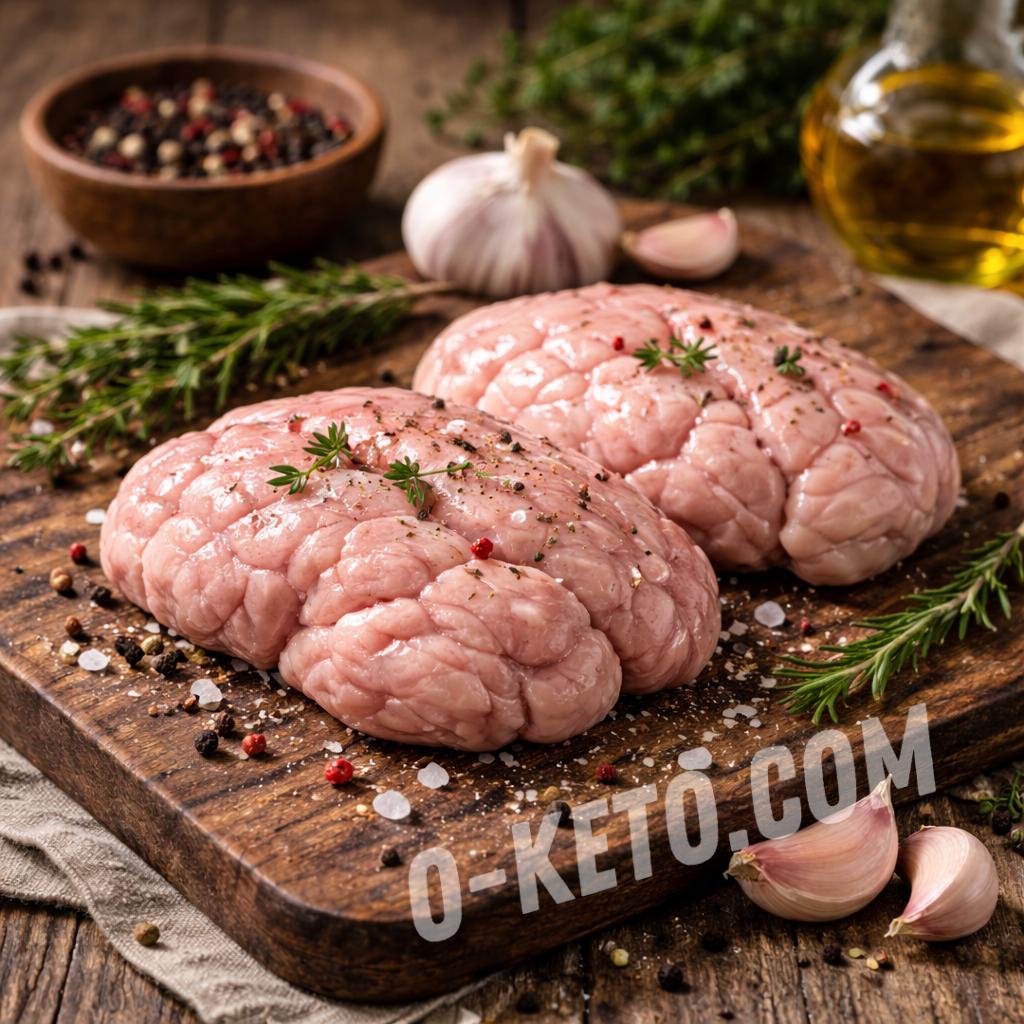

Beef brains are considered offal, which is regarded as a delicacy in the traditional cuisines of many countries. They have a soft, creamy texture and a rich flavor. Despite being consumed less frequently today, this product is highly nutritious and contains several important substances for the body.
Beef brains are particularly rich in fats, phospholipids, and fat-soluble vitamins. Due to the virtually complete absence of carbohydrates, they can be included in a carbohydrate-controlled diet, including low-carb and keto diets.
Nutritional Value of Beef Brains
Beef brains contain a large amount of fat and a moderate amount of protein. The majority of the fats are phospholipids, which are part of cell membranes.
The average nutritional value per 100 g of the product:
- calories — 130–150 kcal
- protein — 10–12 g
- fat — 10–12 g
- carbohydrates — 0 g
The glycemic index of the product is zero, as it contains no carbohydrates.
Vitamins and Minerals
Beef brains are a source of several important vitamins and minerals.
- vitamin B12 — essential for the nervous system and blood formation
- vitamin B5 (pantothenic acid) — involved in energy metabolism
- selenium — protects cells from oxidative stress
- phosphorus — involved in energy metabolism and cell function
Additionally, the brains contain phospholipids and choline — substances that play an important role in the functioning of the nervous system and the formation of cell membranes.
Beef Brains in a Low-Carb Diet
Due to their high fat content and lack of carbohydrates, beef brains can be used in a carbohydrate-restricted diet. They pair well with other animal products and can diversify a meat menu.
How to Prepare Beef Brains
Before cooking, the brains are usually rinsed and soaked in cold water. They can then be prepared in various ways:
When properly prepared, beef brains acquire a tender, creamy texture and mild flavor, making them a delicacy in the cuisines of different countries.


