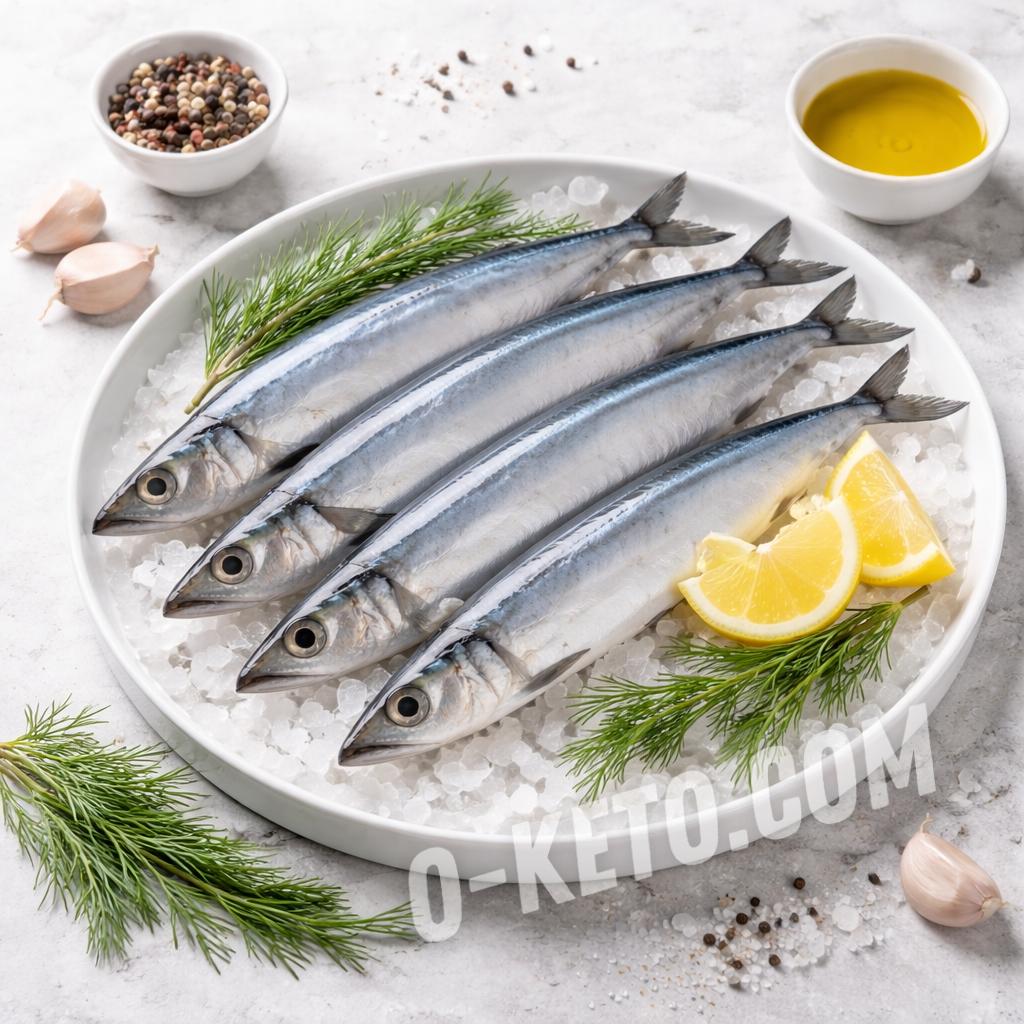

Sprat — a small marine fish from the herring family, widely distributed in the Baltic and northern seas. Due to its mild taste, availability, and high nutritional value, it has long held an important place in the cuisines of many countries. Sprat is used for baking, frying, salting, and smoking, as well as in cold appetizers and fish dishes.
History and Origin
Sprat is considered one of the varieties of Baltic herring. The main fishery is conducted in the Baltic Sea, where this fish forms large schools and serves as an important food source for coastal regions.
Historically, sprat has been one of the key products in Northern Europe. It was salted, dried, and smoked, which allowed for long-term storage of the fish and its use as a source of nutrients throughout the year.
Nutritional Value
Sprat contains a significant amount of complete protein and healthy fats. Due to its high nutritional density, it provides good satiety and supplies the body with essential macro and micronutrients.
| Calories | 180–220 kcal |
| Proteins | 19–22 g |
| Fats | 10–14 g |
| Carbohydrates | 0 g |
The fats in sprat include omega-3 fatty acids, which are involved in regulating inflammatory processes, supporting the nervous system, and participating in lipid metabolism.
Main Vitamins and Minerals:
- Vitamin D is involved in calcium metabolism and the functioning of the immune system;
- Vitamin B12 is necessary for blood formation and the functioning of the nervous system;
- B vitamins are involved in energy metabolism;
- Selenium protects cells from oxidative stress;
- Phosphorus is involved in the formation of bone tissue and energy metabolism.
Health Benefits
Sprat is a source of complete protein, which is essential for tissue repair, maintaining muscle mass, and synthesizing enzymes. The fish also provides the body with fatty acids that are involved in the functioning of the brain and nervous system.
Regular consumption of fatty marine fish contributes to the intake of omega-3 fatty acids, which play an important role in regulating inflammatory processes and the functioning of cell membranes.
Sprat in Low-Carb and Keto Diets
Sprat contains virtually no carbohydrates, making it well-suited for low-carb diets. It provides the body with protein and fats without affecting glucose levels.
The optimal portion is usually 100–200 g per meal. The fish can be consumed as a standalone dish or combined with low-carb vegetables and natural fats.
Culinary Uses:
- baking in the oven;
- frying in a pan;
- salting and pickling;
- smoking;
- adding to salads and cold appetizers.
Thanks to its rich flavor, high nutritional value, and versatility in cooking, sprat remains one of the accessible and beneficial products of marine cuisine.