


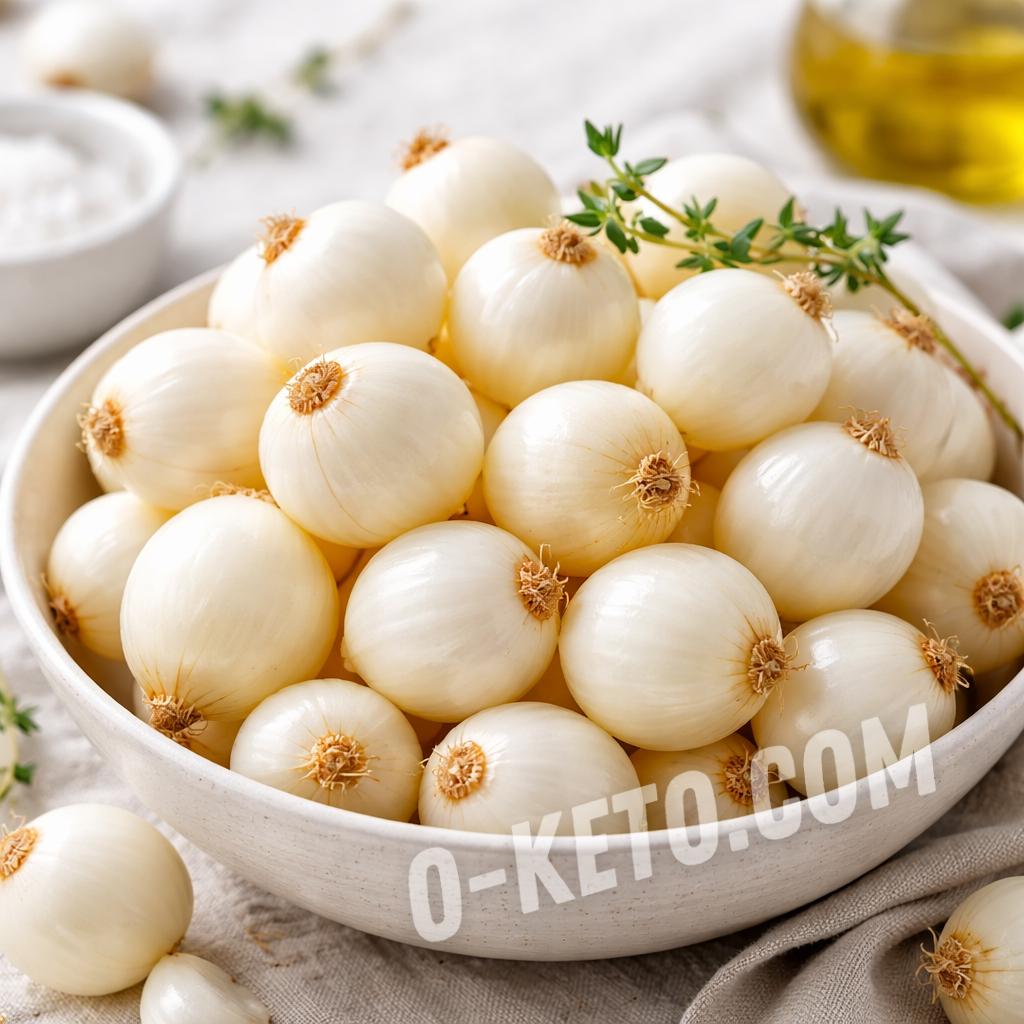

Pearl onion is a miniature bulb with a soft, sweet taste and delicate aroma. Unlike regular onions, it is less pungent and does not leave a pronounced bitterness, making it suitable for dishes where taste balance is important. Due to its compact size and neat shape, it is often used whole for roasting, stewing, and pickling.
This type of onion is valued not only in gastronomy but also in the diet of people focused on quality nutrition. It contains biologically active sulfur compounds, flavonoids, and organic acids that participate in regulating metabolism and anti-inflammatory processes. In the context of a modern diet, where refined products often prevail, such vegetables become an important source of phytonutrients.
Description and Origin
Pearl onion consists of small round bulbs that are white or light golden in color. It is often confused with shallots; however, they are not the same. Shallots have an elongated shape and are divided into segments, while pearl onions typically form whole small bulbs.
It is believed that cultivated forms of small-bulb varieties originate from regions of Southwest and Central Asia. They made their way to Europe through trade routes and became particularly popular in French cuisine, where they are used to prepare sauces, side dishes, and classic meat dishes.
The main distinguishing features of pearl onions are:
- small bulb size;
- soft, slightly sweet taste;
- low pungency;
- ability to retain shape during cooking.
Nutritional Value and Biological Activity
Pearl onion contains a small number of calories and is suitable for various dietary models, including low-carb diets. It is rich in:
- vitamin C;
- B vitamins;
- potassium;
- manganese;
- sulfur-containing compounds;
- flavonoids, including quercetin.
Sulfur-containing compounds support the detoxification enzyme systems of the liver. Flavonoids have antioxidant activity and participate in reducing oxidative stress. Potassium is necessary for regulating water-salt balance and the functioning of the heart muscle.
Impact on Metabolism. The phytonutrients in onions may support tissue sensitivity to insulin and participate in regulating carbohydrate metabolism. Due to its low glycemic load, pearl onion does not cause sharp fluctuations in glucose levels when consumed in moderation.
Support for Digestion. Onion contains prebiotic fibers, including fructooligosaccharides. They serve as a nutrient medium for beneficial gut microflora and promote the formation of short-chain fatty acids. This positively affects the condition of the intestinal mucosa and the immune system.
In cases of increased gastrointestinal sensitivity and tendency to bloating, the quantity should be adjusted individually.
Cooking Methods and Culinary Uses
Pearl onion is versatile and suitable for both everyday and more sophisticated dishes. It can be used whole, making the presentation aesthetically pleasing.
Main cooking methods include:
- roasting with olive oil and herbs until lightly caramelized;
- stewing in broth or cream sauce;
- pickling in vinegar with added spices;
- sautéing in butter or ghee;
- adding to stews and soups at the end of cooking.
When slowly roasted, the sugars naturally present in the onion caramelize, enhancing sweetness and softening the texture. Stewing allows the bulbs to retain their shape, while pickling makes them firm and slightly crunchy.
Pearl onion pairs well with:
- meat and poultry;
- fish and seafood;
- thyme, rosemary, and tarragon;
- creamy sauces;
- fermented products.
Practical Recommendations
When selecting, pay attention to the firmness and absence of soft spots. The skin should be dry and smooth.
Store onions in a cool, dry place with good ventilation.
To make peeling easier, you can dip the bulbs in boiling water for 1-2 minutes, after which the skin comes off much more easily.


